Oceanography
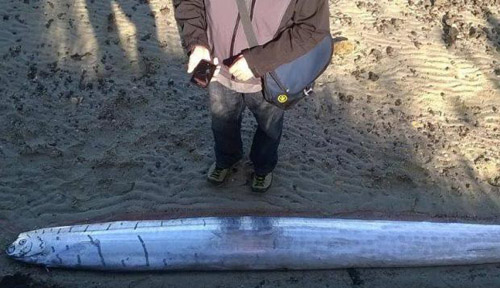
Discovered 'sea monster' in New Zealand
One of the most unusual species of the ocean, with its ability to swim vertically and bite off its tail, drifted on the coast of New Zealand.
Browse ScienceInfo articles and explainers related to Sea.
3,672 published items.
One of the most unusual species of the ocean, with its ability to swim vertically and bite off its tail, drifted on the coast of New Zealand.
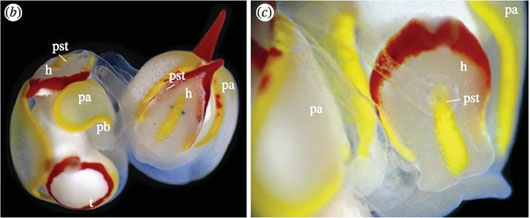
In the fascinating natural world, there are many unusual creatures with unusual formations, including a sea snail and a rare fish with the most bizarre genitals in the w…
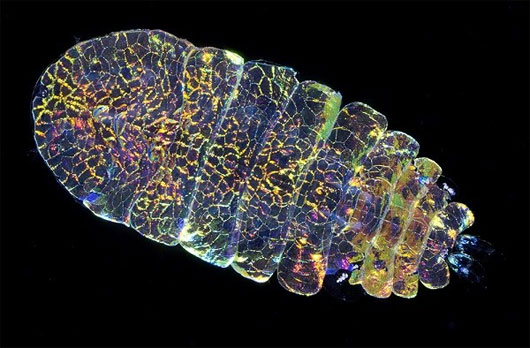
Last year, explorers on a South African coast discovered a sea creature capable of blinking invisible invisible in a split second, they were called
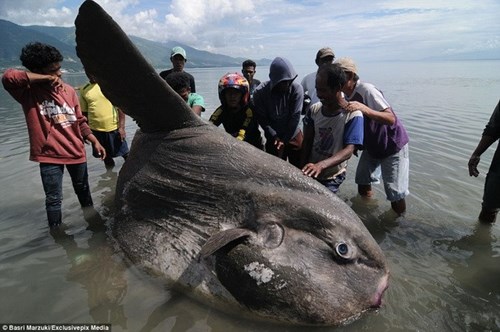
Fishermen in Palu, Central Sulawesi, Indonesia were surprised to see a giant moon fish drifting ashore.
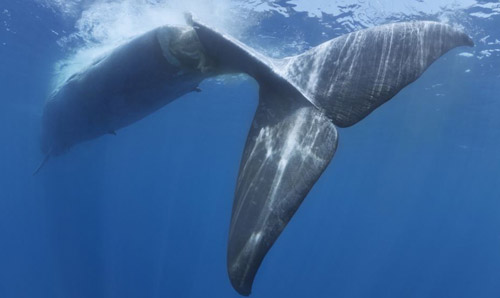
Boats are a major threat to blue whales, because the animal does not know how to react when it hits.

The glowing sea phenomenon happened on a small island in Sweden, making the scenery become both beautiful and a bit of a ghost.
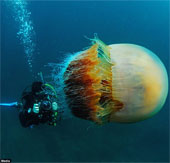
Divers are often shocked when they first encounter a giant jellyfish, like aliens that are many times larger than them, off Japan.
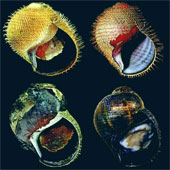
The group of Dr. Robert Vrijenhoek (Monteray Bay Aquarium) has discovered and described five new sea snail species in deep water from the western Pacific Ocean to the In…
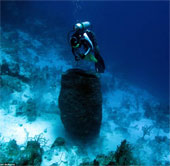
A new study finds that when describing marine organisms, popular culture makes people think that these animals are bigger than their actual size.
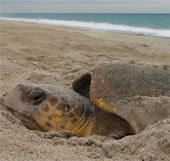
The female turtle swims back to where they were born to spawn using special magnetic signs along the coast.
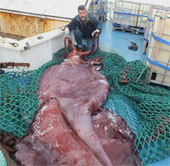
On September 16, a group of scientists and researchers in New Zealand conducted a giant 350kg squid surgery, which was caught by fishermen in the country a few months ea…

In nature, starfish have a multitude of shapes, sizes, and colors, and are found from the coast to deep waters.
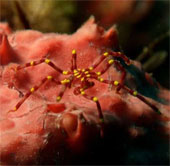
Some of the beautiful waters of the world, with crystal clear water is also a place that contains many exotic, unique sea creatures.
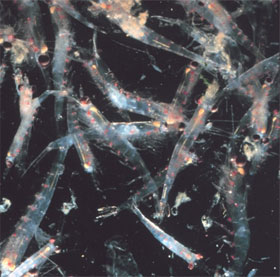
University of Washington researchers have found that this common migration helps shape our oceans.
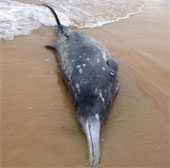
Scientists have discovered a rare marine creature that looks like a whale whose beak is washed ashore on Australia's coast.