
Oceanography
The oyster is as big as a basket
A fisherman discovered an oyster with a width of 18 cm and weighed nearly 1.4 kg at the port of Plymouth, England.
Browse ScienceInfo articles and explainers related to Size.
1,014 published items.
A fisherman discovered an oyster with a width of 18 cm and weighed nearly 1.4 kg at the port of Plymouth, England.
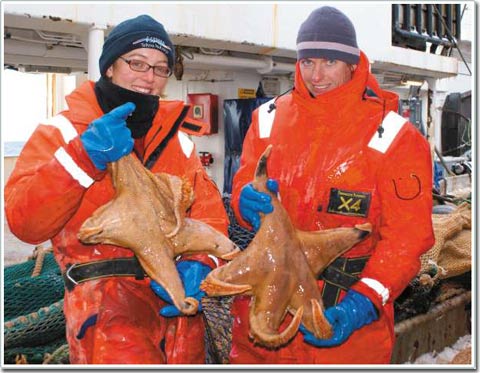
In the Antarctic waters of New Zealand, huge creatures including jellyfish and tufts of 3.6m long and starfish 0.6m in size have been found. Scientists conducted the mos…
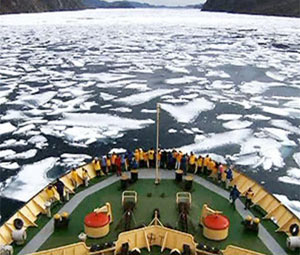
The European Space Agency (ESA) said nearly 200 satellite images in September showed that the size of the Arctic iceberg along Canada, Alaska and Greenland has dropped t…
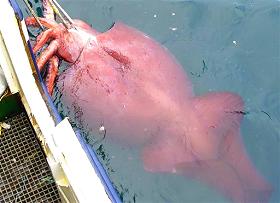
New Zealand fishermen have caught a giant squid weighing about 450kg and have large cannons of the size of a wheel. This giant squid (scientific name Mesonychoteuthis ha…
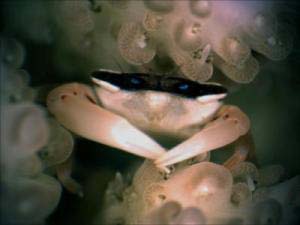
Small crabs living in the South Pacific coral can help corals not die by doing regular
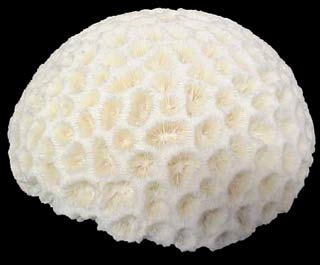
According to a new model based on technical principles, the size and shape of corals can tell us in advance the existence of corals in the world when the weather is bad,…
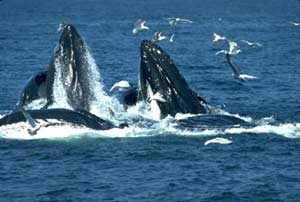
So far the science of recognizing fish is the richest, most crowded and diverse organism of all vertebrates present on Earth, with more than 23,000 species.
The colorful male swordfish will measure the size of his sword before the battle, and usually just show off the respectable weapon that can cause the opponent to flee.
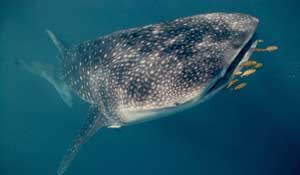
Oceanographers are raising alarms about the world's largest shark species that are in danger of being reduced in size. Dr Mark Meekan of the Australian Institute of Mari…
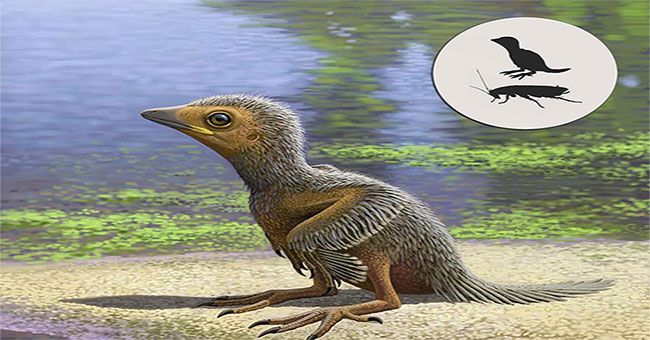
Scientists have discovered a bird of small size like grasshoppers that lived at the same time as dinosaurs, the largest animal that ever existed on Earth.
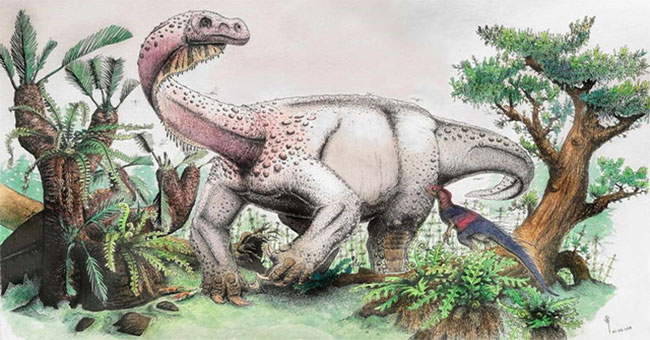
A new giant dinosaur has been discovered in South Africa.
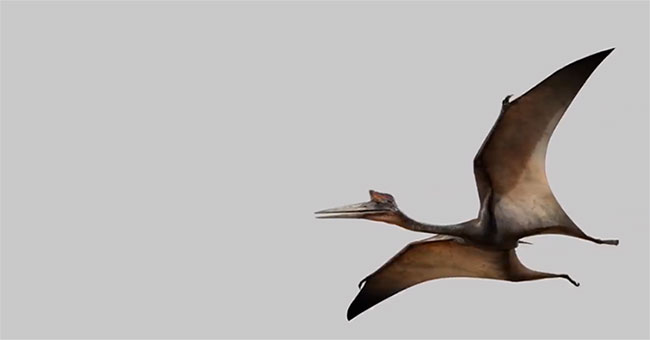
Amphicoelias lizard foot is the largest known dinosaur with a tail length of up to 58m.
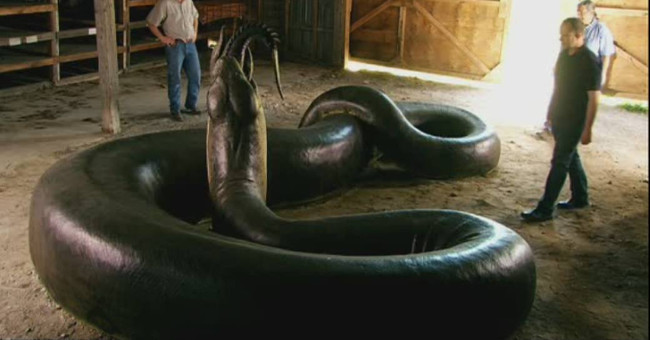
Titanoboa is 14.6 meters long, lives in the jungle 60 million years ago and specializes in hunting crocodiles to eat meat.
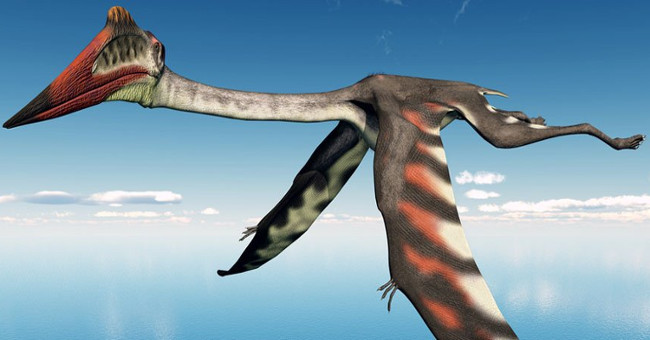
Scientists at Tokyo University, Japan discovered fossils of an ancient predator flying in the Gobi desert, Mongolia.

The exact shape and size of this cellar is unclear, so the purpose of using this cellar is still a mystery.