New technology
Divine tools can cover selfies
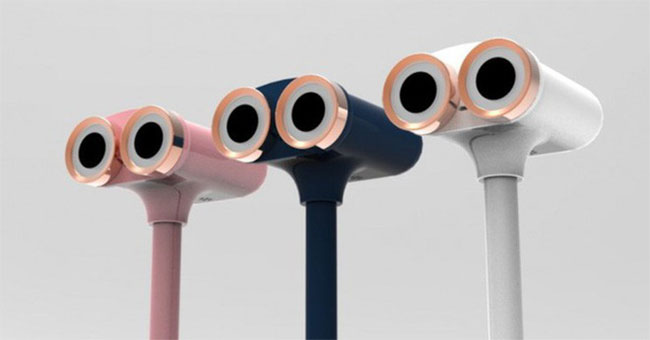
OPPY is an interesting photography accessory because it can replace many things like selfie sticks or smartphones when taking selfies.
Browse ScienceInfo articles and explainers related to Smartphone.
406 published items.
OPPY is an interesting photography accessory because it can replace many things like selfie sticks or smartphones when taking selfies.

To use Oneprove application, people just need to install on a smartphone, then take a picture of the picture to be checked.

The modern world has smartphones, smart cities and many other connected utilities. But there is one real thing we haven't done yet, it's the smart road system.
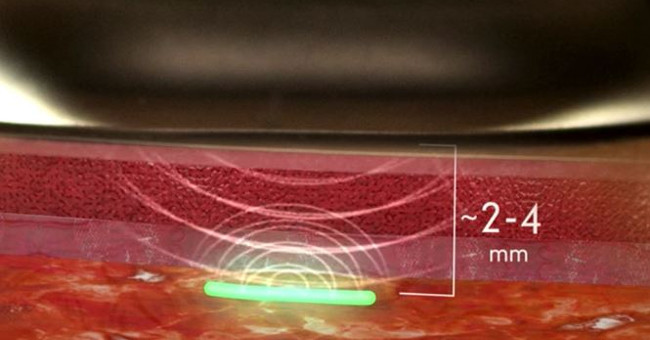
Smartphone is an indispensable device in daily life with many benefits in terms of entertainment as well as work.
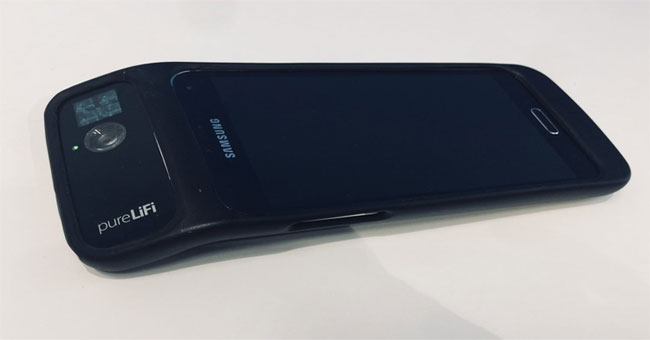
MWC 2018 is not only a landmark of smartphones, but also a gathering place for many other unique technologies.
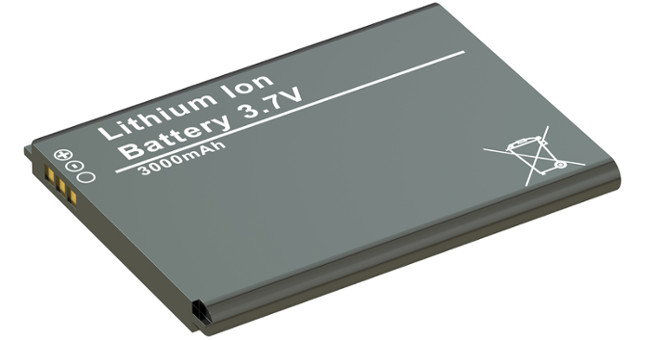
Under extreme low temperatures, conventional lithium-ion batteries can not function properly.
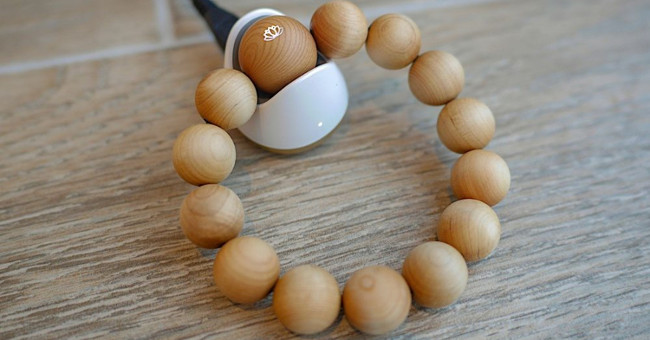
Acer devices are designed as conventional beads, in which designs can be customized or customized.
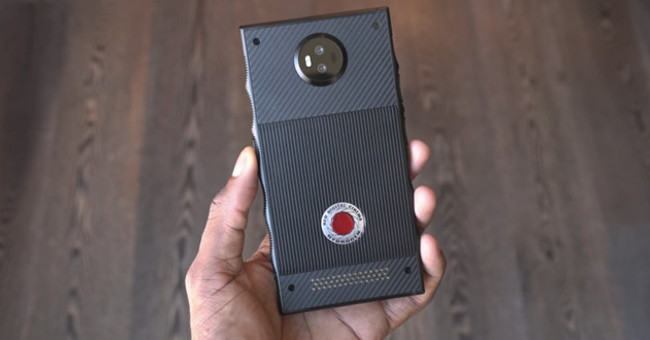
Last summer, RED camera production company noticed when it announced the first holographic smartphone in the world earlier this year.

OLEDs possess a deeper black color, providing much superior images than traditional LCDs, and it does not require backlighting as on a traditional LCD screen, so it has…
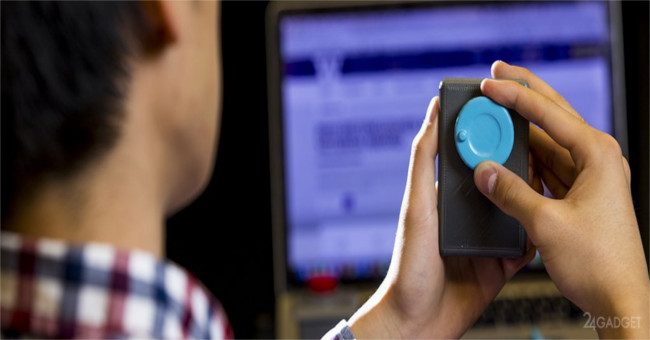
Scientists have developed plastic 3D printed objects that have built-in Wi-Fi capability without electricity or electronic components.
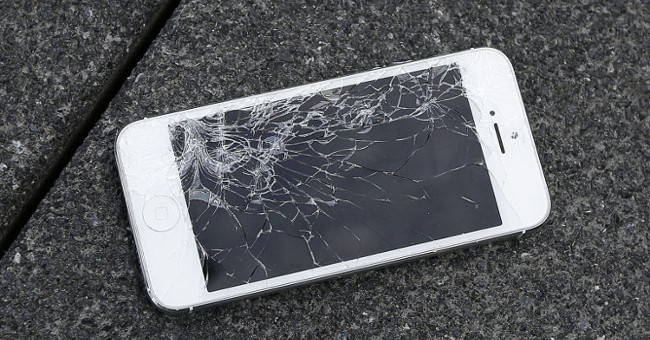
A recently published study has revealed that a new type of polymer with high hardness and glass-like properties can recover itself by applying a slight pressure force.

Flying or self-driving cars have not been widely introduced to the public, but many modern technologies have been included in current models.
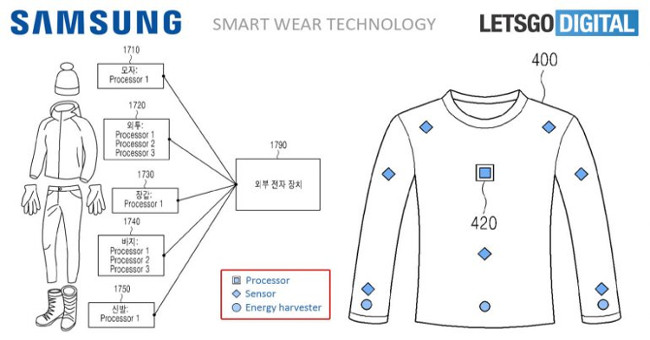
Smart clothes Samsung will be able to
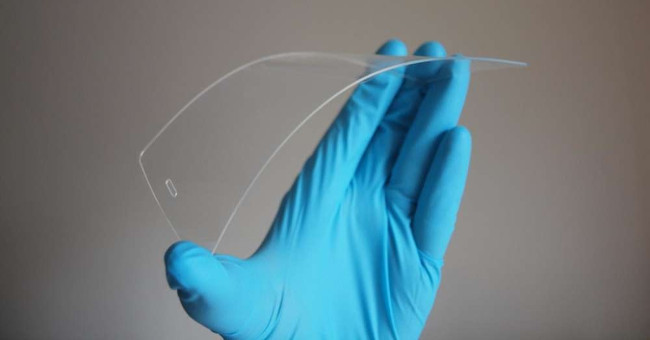
Scientists from Sussex University have found a way to combine silver nanoparticles with graphene to create a new generation of cheaper, harder and more durable screens.
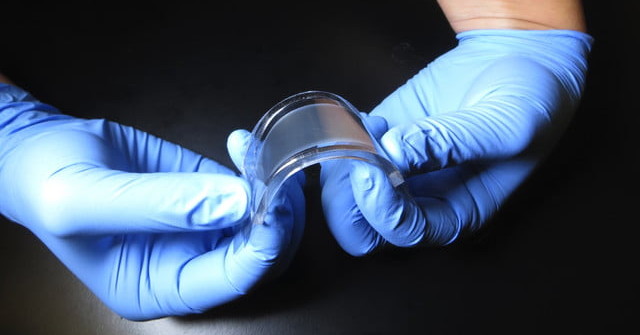
The device is only 5mm thick by graduate students at the University of California and SRI International, but is as capable of cooling as an air conditioner.