Medicine - Health
The more students use smartphones, the less
This is the result of research on smartphone relationships with the results of modern students.
Browse ScienceInfo articles and explainers related to Smartphone.
406 published items.
This is the result of research on smartphone relationships with the results of modern students.
Do you often feel stiff and sore in your fingers and wrists? It may be due to the habit of using smartphones for too long.
New research has shown that late phone use will prevent you from getting a good night's sleep and reducing your productivity the next day.

Toddlers who use tablets (tablets) or smartphones (smartphones) may have problems using their hands and fingers, experts warn.

American experts are trying to design a paper that can detect disease within an hour, based on the paper's discoloration, which works similarly to a pregnancy test.
According to a recent study from the Rensselaer Polytechnic Science Institute in New York City, using a tablet or smartphone before going to bed can cause sleep disturba…
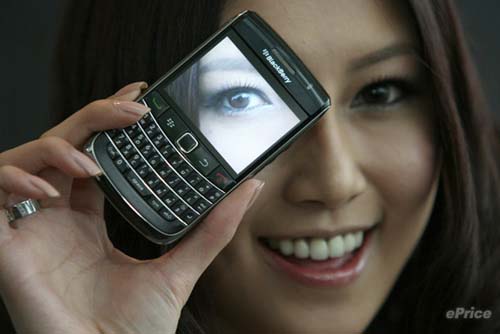
Owning a smart Blackberry mobile phone is fun for some people. But think carefully before using this technology.
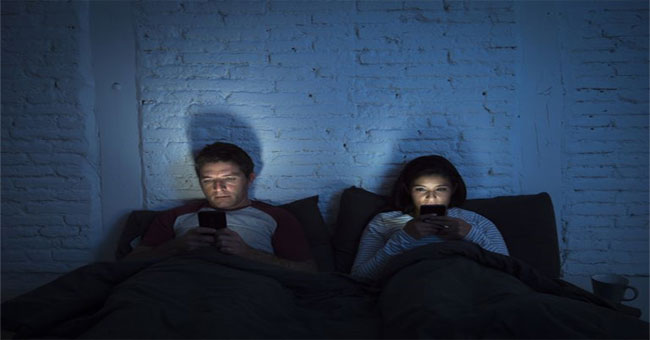
According to a recent study, exposure to artificial blue light on devices such as smartphones and street LED lights can cause many side effects to your health.
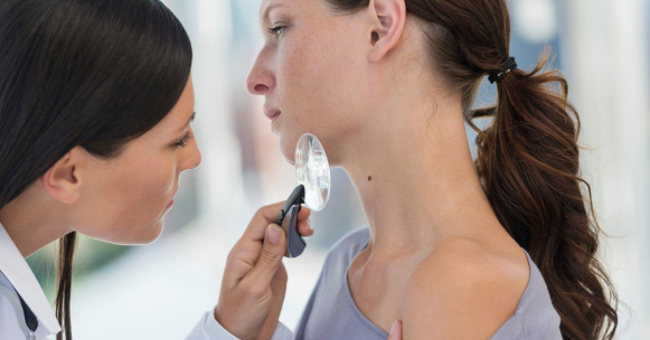
Not only did workers, journalists, and service workers come to the dermatologist but also feared being replaced by machines.

Eye cancer (Retinoblastoma - Rb) is a dangerous disease in young children. If not detected early, cancer cells from the eye will spread into the brain and the family can…
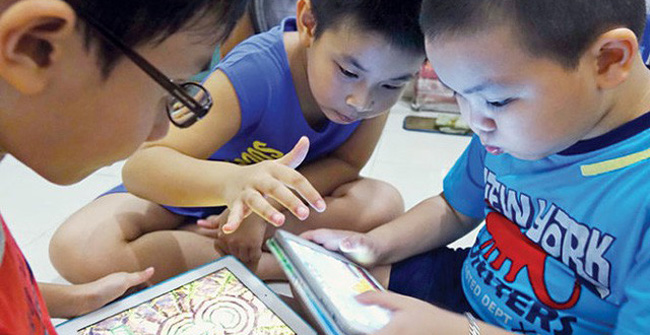
There are many applications that lock the device but we still have to turn it on manually, and the cunning kids can turn them off.
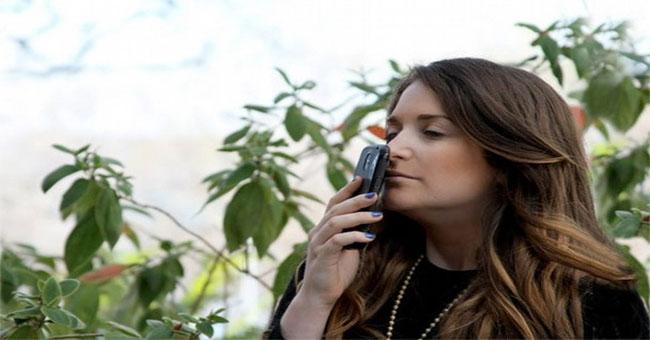
A recently registered Israeli patent describes a technology that emits favorite scents with smartphones and will be sold in North America and the Far East.
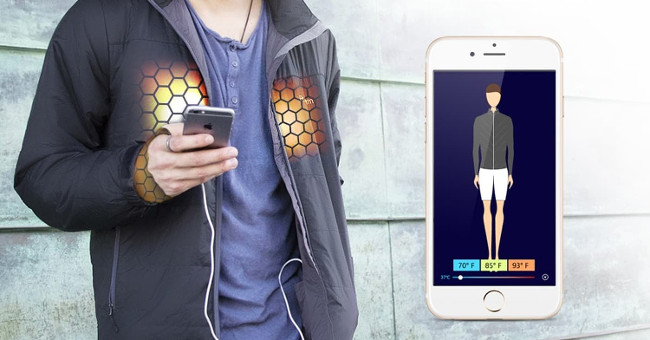
Scientists always know how to surprise us with inventive ideas

It will not hurt and very quickly, it is the future of measuring blood sugar through the skin.
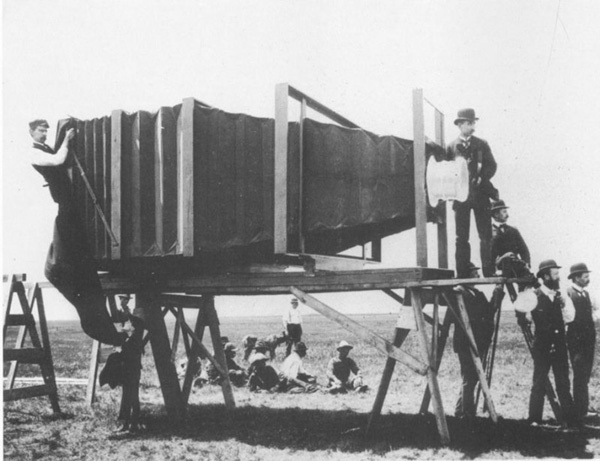
Since the end of the 11th century, humans have used a type of rudimentary camera called