Space science
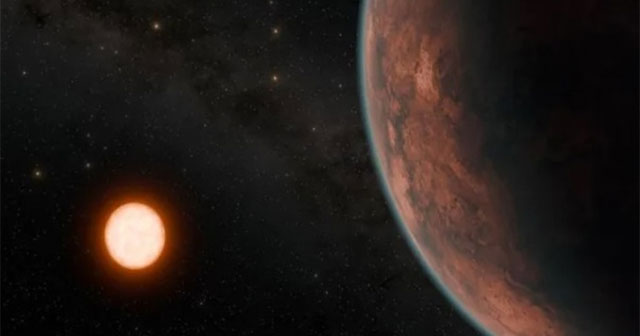
Habitable planet discovered 40 light years from Earth
Scientists have discovered an exoplanet called Gliese 12 b in the constellation Pisces that has conditions suitable for life.
Browse ScienceInfo articles and explainers related to Surface.
1,629 published items.
Scientists have discovered an exoplanet called Gliese 12 b in the constellation Pisces that has conditions suitable for life.
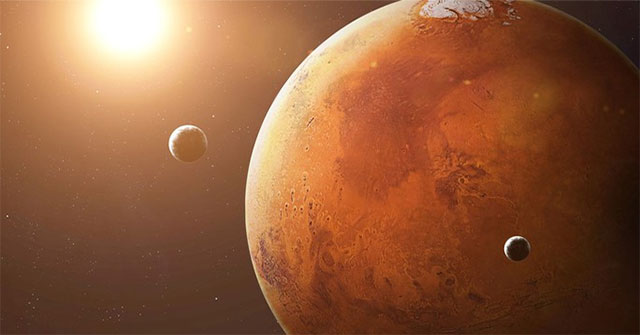
A new study has found chilling evidence that the moon Phobos - one of the Solar System's unluckiest satellites - is about to become a thing of the past.

Just as the Earth's land surface has huge peaks and valleys, the ocean world has similarly varied terrain.

Earlier this week, Israel's Arrow 2 missile system reportedly intercepted and destroyed a ballistic missile on a trajectory outside the Earth's atmosphere.

The United Arab Emirates' Hope space probe has captured the first high-resolution images of Mars' moon Deimos.
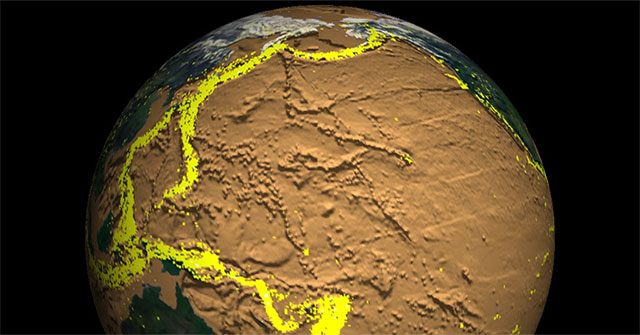
Several continents on Earth show signs of tearing apart. This has happened many times in the past, accompanied by raining diamonds - quite literally.

Have you ever wondered why submarines can dive and surface at will despite weighing tens of thousands of tons?

A video recording the image of a strawberry under a microscope may surprise many viewers.
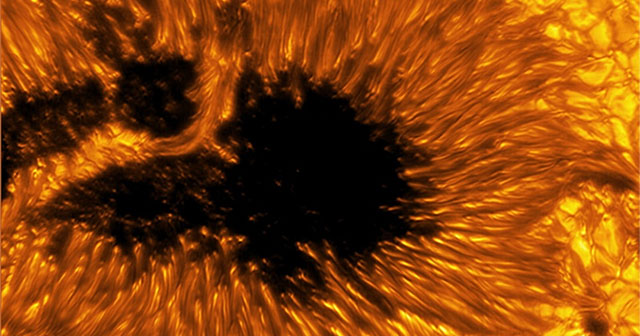
New images of the Sun's surface reveal sunspots and other structures in greater detail than ever before, CNN reported on May 25.

A killer whale swallowed the liver and left the 8cm-long shark's carcass to sink to the bottom of the ocean off the coast of Mexico.
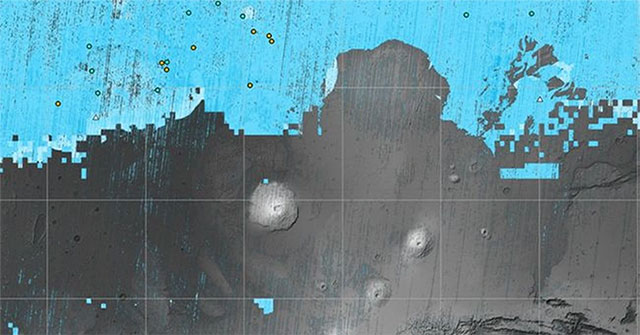
Mapping the ice under the surface of Mars will help mission planners decide on potential landing spots for future astronauts.
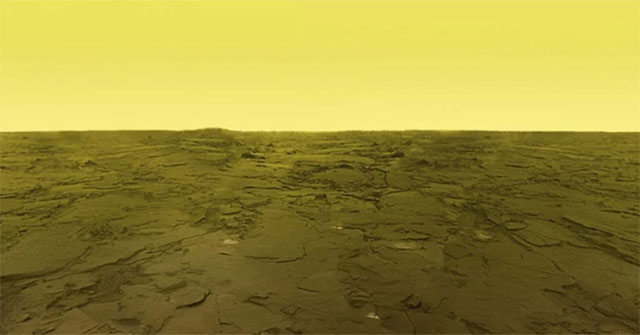
Venus has a harsh climate, so spacecraft only survive for a very short time after landing.
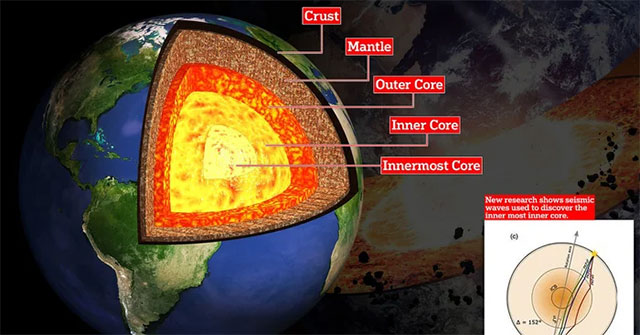
The temperature of the Earth's core is about 6,000 degrees Celsius, higher than the surface temperature of the Sun. Furthermore, the Earth's core is larger than the core…

NASA's Odyssey orbiter has captured a unique image of the Martian horizon.

Scientists have just made a surprising new discovery: The Earth's inner core is not only changing its rotation speed, but may also be deforming.