Discover science
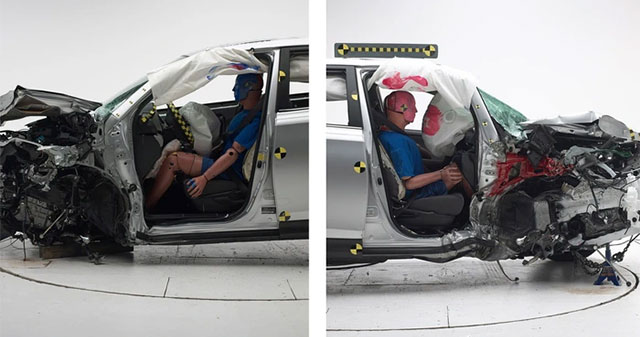
How terrible is a car accident at 200km/h?
When it comes to high-speed collisions, people often imagine terrifying scenarios: loss of vehicle control, deafening collisions, rapid deformation of the vehicle body,…
Browse ScienceInfo articles and explainers related to TRAFFIC.
471 published items.
When it comes to high-speed collisions, people often imagine terrifying scenarios: loss of vehicle control, deafening collisions, rapid deformation of the vehicle body,…
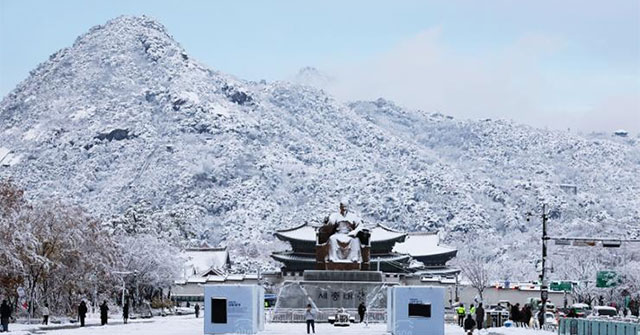
More than 20cm of snow covered many areas in Seoul (South Korea) on November 27, causing traffic disruption.
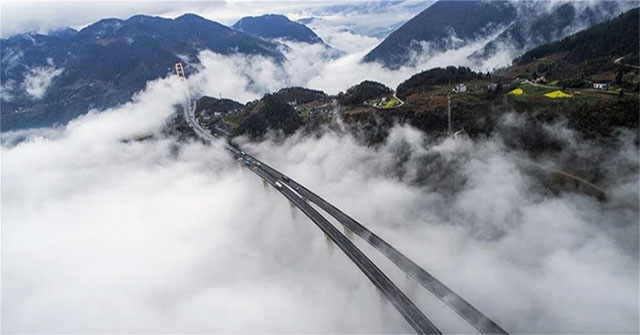
Siduhe Bridge is a 'giant' project that demonstrates the remarkable development of China's road and bridge infrastructure system.
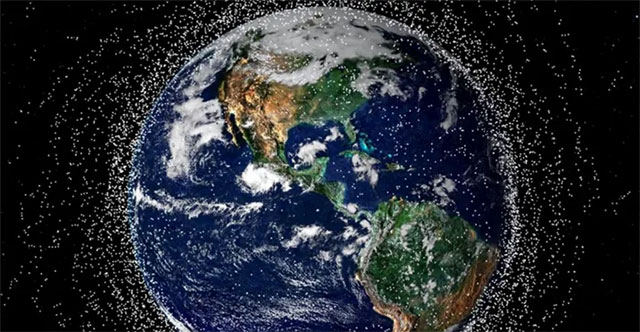
The rapid increase in the number of satellites and space junk will make low Earth orbit unusable.
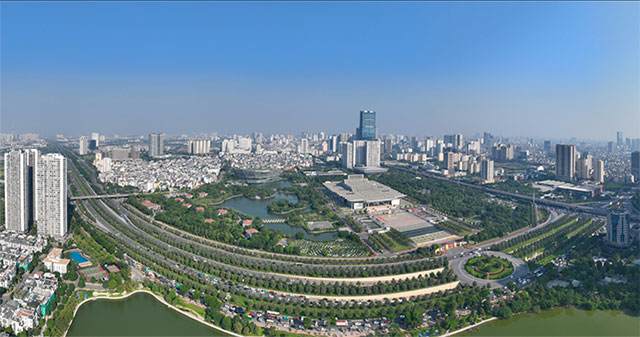
After 70 years of liberation, Hanoi has built Noi Bai airport, two urban railway lines, many belt lines, radial axes and expressways connecting to neighboring provinces.
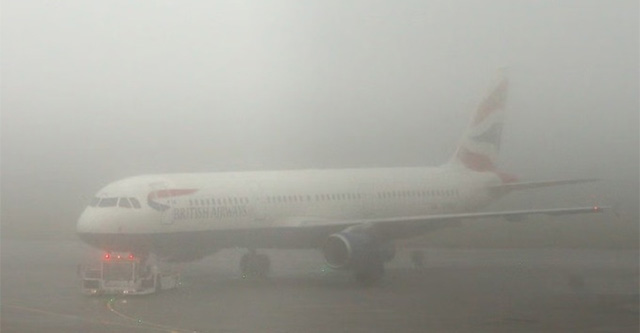
Dense fog can reduce visibility, forcing pilots and air traffic controllers to use special procedures for takeoff and landing.
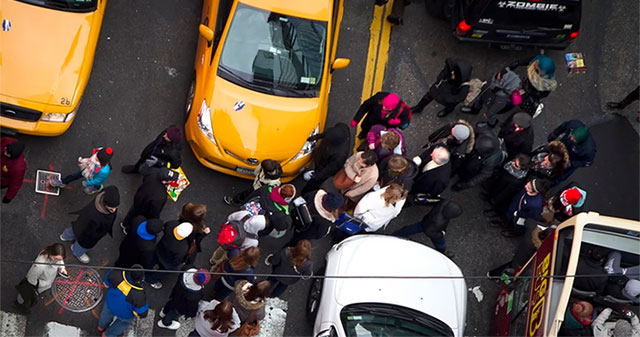
According to research, for every 10dBA (decibel - a unit of noise measurement), the risk of developing cardiovascular diseases such as heart attack, stroke and heart fai…

Virtual traffic jams can appear due to driving habits and natural wave dynamics between vehicles on the road.

An analysis of car accidents during the 2017 solar eclipse in the US shows that the upcoming April solar eclipse may also be accompanied by an increase in fatal accident…
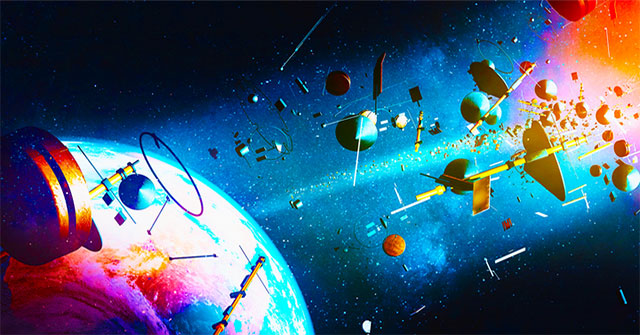
MIT's revolutionary open source tool MOCAT is designed to model the space environment, addressing the growing challenge of space debris.
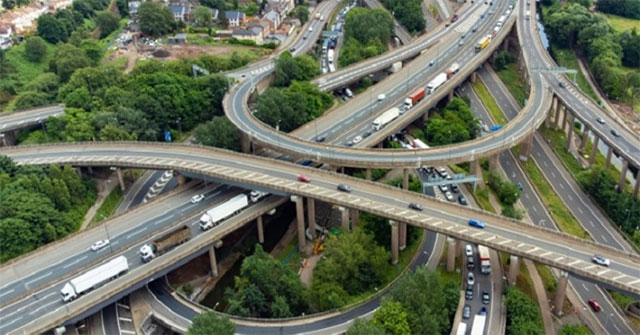
The Gravelly Hill intersection in Birmingham is one of the most complex intersections on the planet with 5 floors, 559 concrete columns and a height of more than 24 mete…
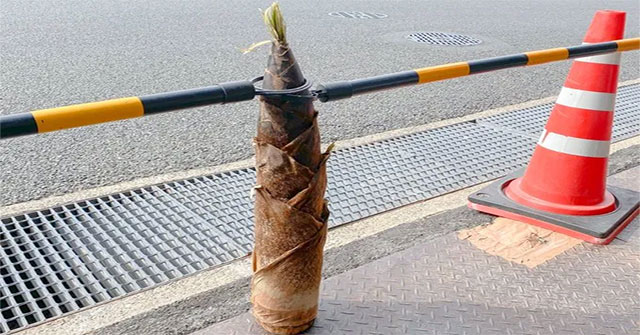
Kyoto is famous as the most cultural city in Japan, where everyone feels it is natural to live in harmony and respect nature.
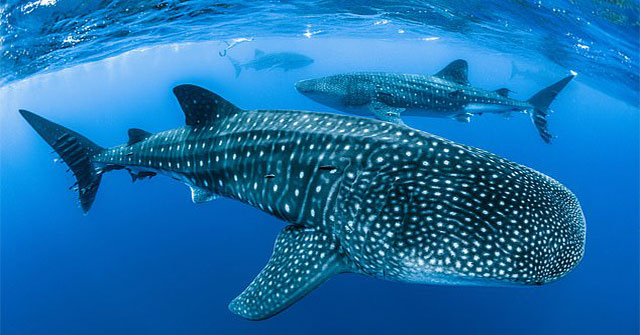
These traffic accidents have decimated the world's whale shark population by as much as half in the past 75 years.
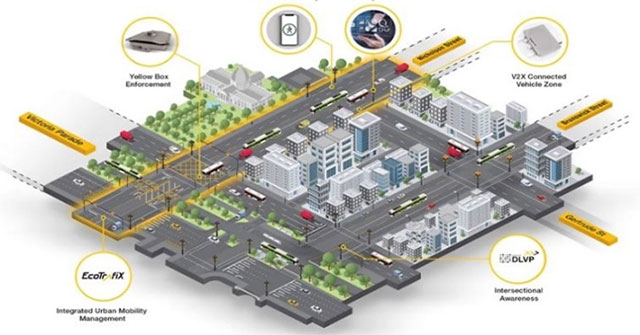
The new Melbourne project will use AI, deep learning algorithms and predictive modeling to reduce travel times, emissions and traffic congestion.

According to medical studies, prolonged exposure to excessive noise contributes to increased stress and incidence of serious health complications.