Videos
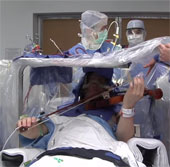
Video: Brain surgery while playing violin
Normally, the doctor will treat a person's vibrations by inserting electrodes into the brain until the vibration will stop.
Browse ScienceInfo articles and explainers related to The Brain.
220 published items.
Normally, the doctor will treat a person's vibrations by inserting electrodes into the brain until the vibration will stop.
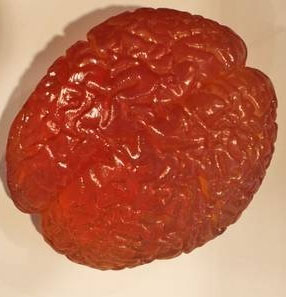
Einstein's genius died at the age of 76 in 1995 in Jersey, USA. After his death, the scientist's brain was divided into parts, to study and explain why he was so intelli…

The public will have the opportunity to admire the brain of Albert Einstein, who is considered the greatest scientist in the 20th century, at an American museum.

About a year before his death, Einstein wrote a letter to Eric B. Gutkind, a Jewish philosopher, on January 3, 1954. The letter is a way to show Einstein's reaction to a…
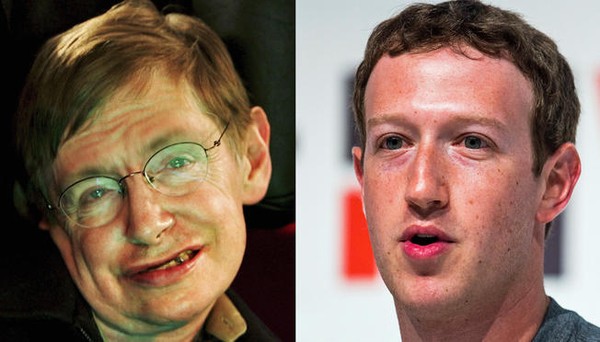
Last week, Mark Zuckerberg organized a quick questioning on his Facebook page through which we can draw the interesting visualizations of the Facebook boss about the fut…
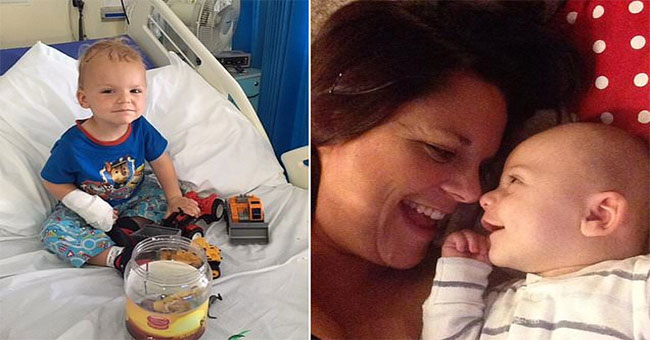
According to The Sun, the first two weeks of life, boy Jack Young from Winscombe, North Somerset, still giggling even in his sleep.
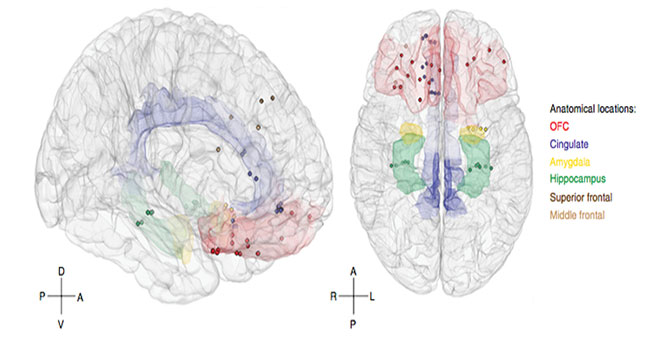
According to Nature Biotechnology, American scientists have developed an algorithm to effectively monitor people's moods through brain activity.

Researchers at the University of Schleswig-Holstein, Germany, say this type of accessory can squeeze and contract arteries and veins in the neck. The result is reduced b…

Milena Canning in North Lanarkshire, Scotland, was blinded after a severe stroke and almost lost her life nearly two decades ago.

Anger is a normal human emotion and sometimes cranky will not be harmful to your mind or body.
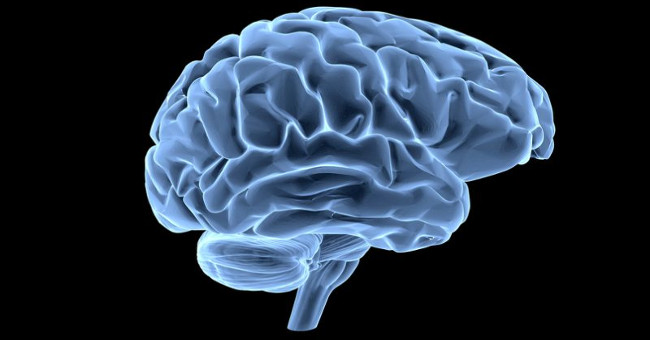
The growing human brain is mainly reacting to stresses in the living environment, forcing people to think of creative solutions to get food and shelter.

According to Technology Review, new research achievements of Yale University (USA) scientists have been evaluated to potentially change the definition of death.

There is less than 26% activity in the brain region at dusk and dawn compared to other times. Human eyesight is often the worst at 2 pm.
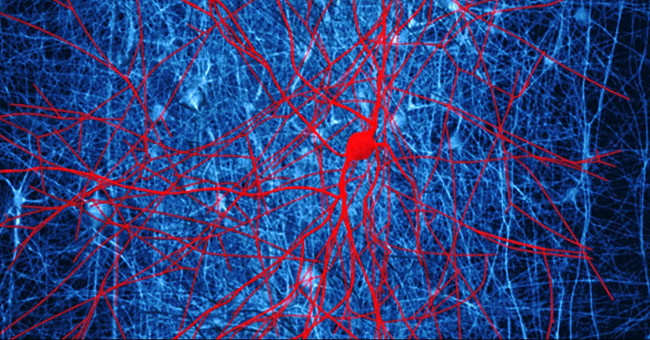
In September 2017, NeuroQuantology - a journal specializing in neuroscience and quantum physics, published a groundbreaking article that could accelerate the understandi…

For more than a century, the medical community has always believed that hanging membranes - an important part of the digestive system - function to attach the intestines…