Space science
Water on the Moon can affect telescopes
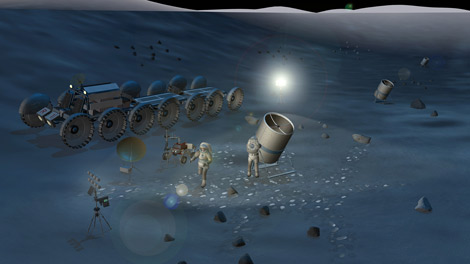
A study by Chinese scientists said water on the Moon could affect their plan to install telescopes on the satellite in 2013.
Browse ScienceInfo articles and explainers related to Ultraviolet Rays.
47 published items.
A study by Chinese scientists said water on the Moon could affect their plan to install telescopes on the satellite in 2013.
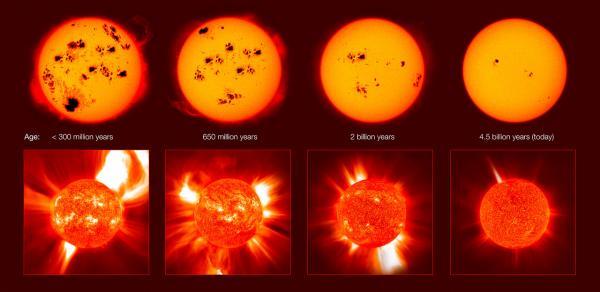
One of the hottest topics in the 27th joint study of the International Astronomical Society (IAU) in Rio de Janeiro, Brazil includes studying astronomical conditions sui…
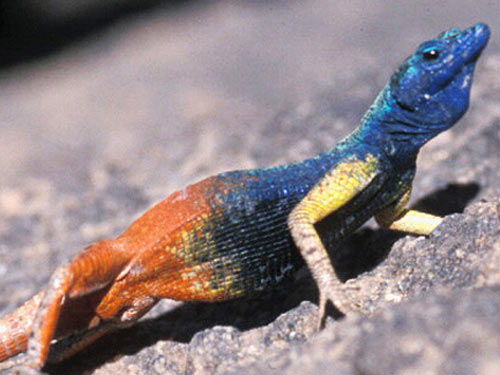
Unlike the reptiles, this lizard has a very sophisticated territorial and anti-enemy defense mechanism. Their bodies have vivid colors that contain many photosensitive o…
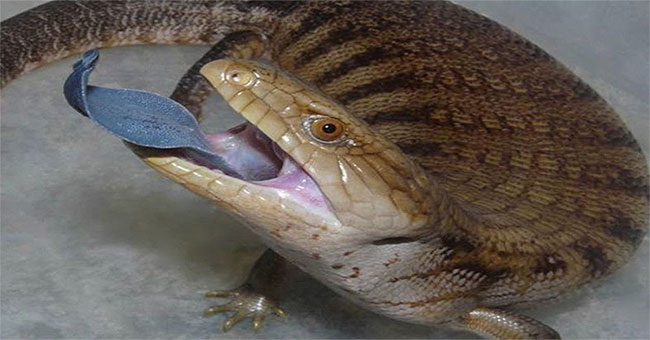
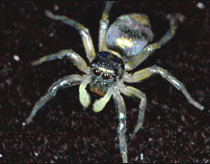
The research team at Macquarie University, Australia, discovered that the back tongue of the northern green tongue lizard reflected ultraviolet rays with a higher intens…
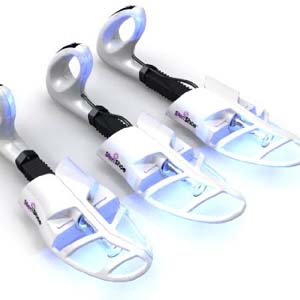
American inventors have invented a device that uses ultraviolet rays, has the ability to disinfect, makes the shoes that you go no longer smell unpleasant even if you ge…
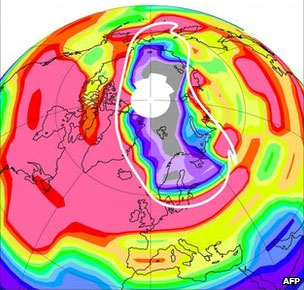
According to scientists, ozone holes have recently appeared in the Arctic region. At an altitude of about 20km from the ground, ozone concentrations decreased by 80%.
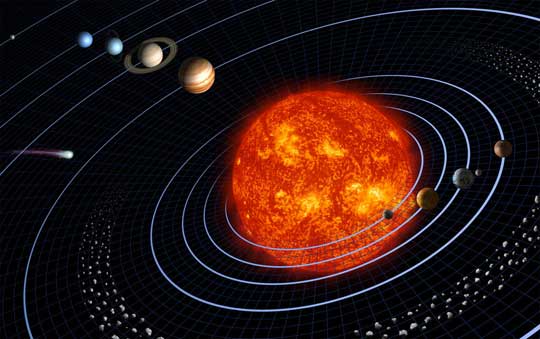
Scientists at the Royal Institute of Technology said that when the Sun's activity weakened, the Earth's temperature increased.

On January 4, the Ecuadorian Civil Space Agency (EXA) warned that ozone levels in the stratosphere in the equatorial area had dropped dramatically in recent years, espec…

Researchers at the University of Delaware have discovered why the tall, flowering reed (Phragmites australis) is one of the largest invasive plants in the United States.
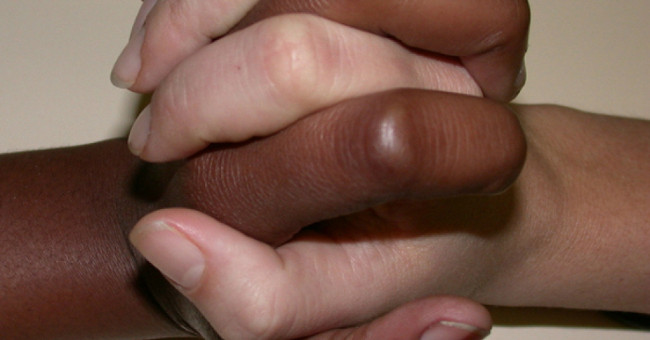
Human skin color is now the result of a long evolutionary process under the guidance of light from the Sun.

We are still exposed to a large amount of UV light when using umbrellas on the beach without applying sunscreen.

Not wearing sunglasses, even in days
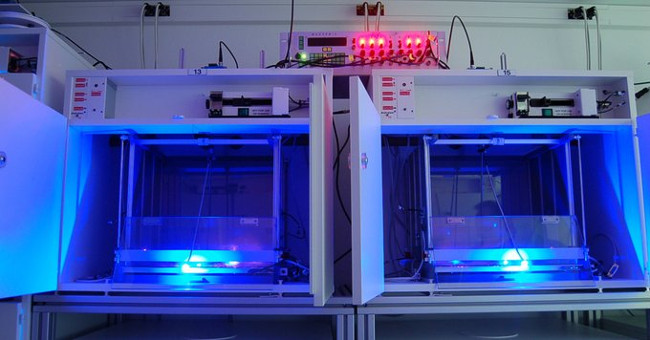
Sci-fi movies remind us again and again that ultraviolet rays can be used against vampires, but now science is actually trying to use it to fight a dreaded disease: canc…
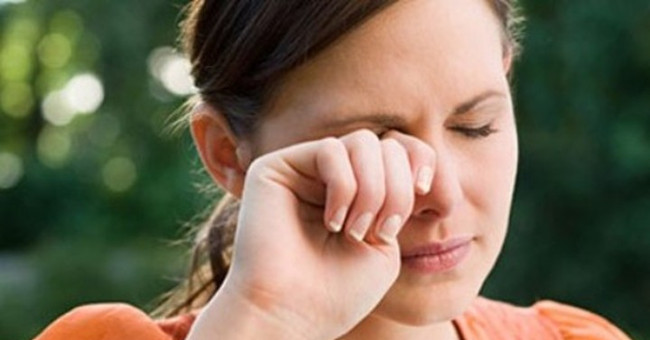
Ultraviolet rays at very high levels in hot sunny days cause a lot of damage to the eyes, so they need to be carefully shielded when going out, while avoiding looking di…