
Science invention
Daily use inventions come from universities
From toothpaste to GPS, from car seat belts to Google, you may not know, but the things you use every day are the ones that come from universities.
Browse ScienceInfo articles and explainers related to University.
4,907 published items.
From toothpaste to GPS, from car seat belts to Google, you may not know, but the things you use every day are the ones that come from universities.
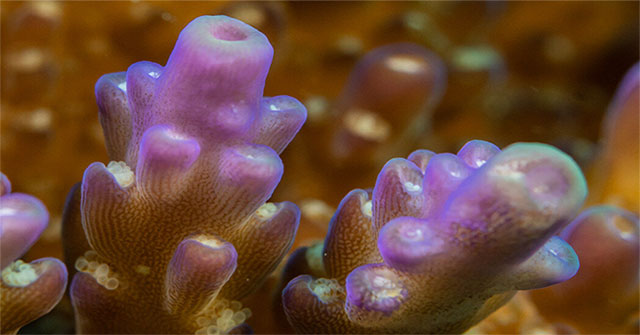
Scientists at the University of British Columbia (Canada) found the world's first creature produced chlorophyll but did not participate in photosynthesis.
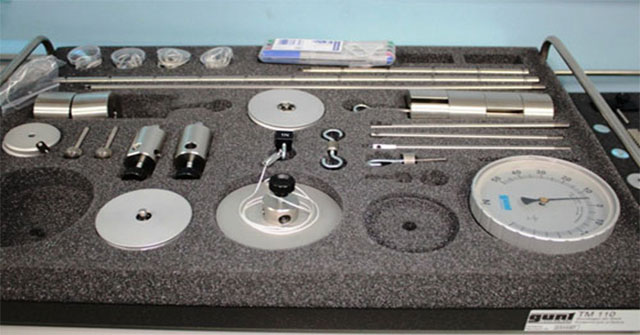
Rooms are equipped with international standard machines, helping aviation students practice right at the school.
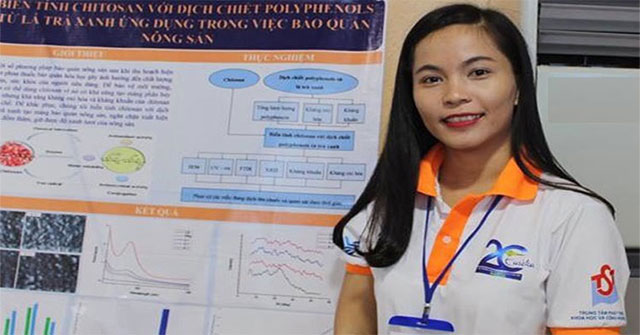
Bui Thi Khanh Linh, University of Natural Sciences (National University of Ho Chi Minh City) studied fresh agricultural preservatives for 10 days

Bringing sulfate compounds into the atmosphere is like a volcanic eruption. It may not stop once side effects are out of control.
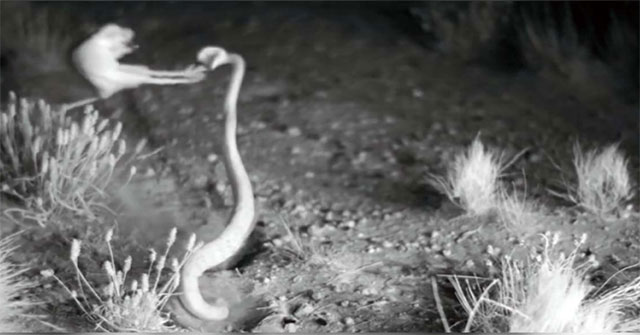
The video captures the moment when the little rat launches to avoid the snake, causing the netizens to be surprised.
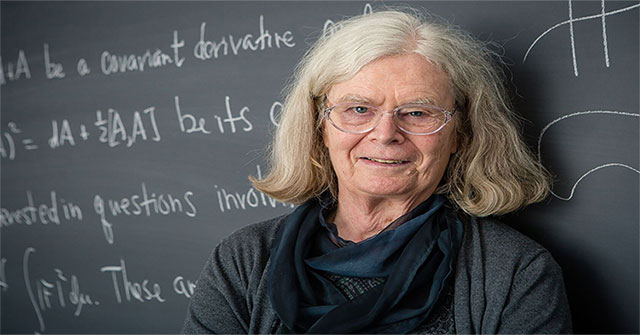
Abel's mathematical prize was awarded to American Karen Uhlenbeck on March 19 for her work on other differential equations.
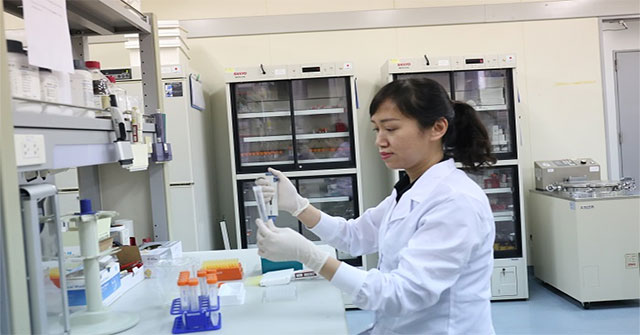
Among the three approved scientists proposed to award the Main Prize in 2019, there is a female scientist.
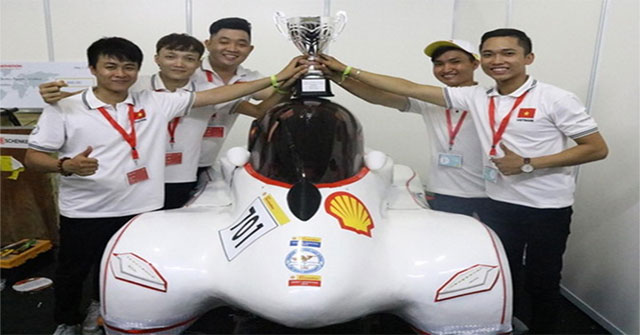
Achieving a achievement of 170 km with 1 kWh of electricity, Lac Hong University won the competition with an urban model.

Do you think research centers, laboratories, are boring places with complex numbers that are difficult to swallow? So invite you to 10 of the most beautiful science rese…
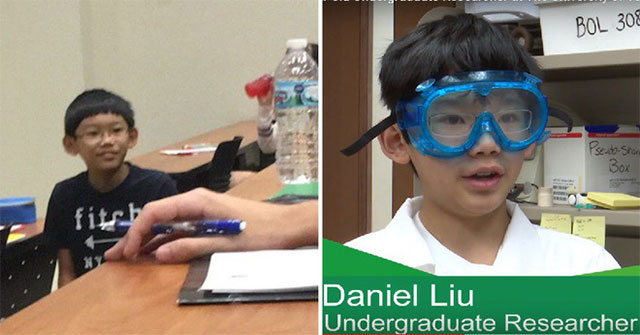
One of the prodigies has
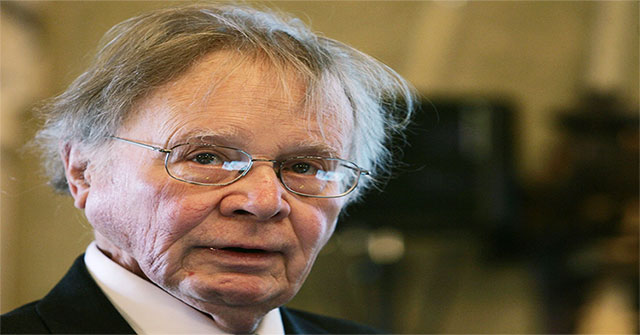
Professor Wallace Smith Broecker, Columbia University had correctly predicted the increase in carbon dioxide levels in the air, causing the Earth to warm up.
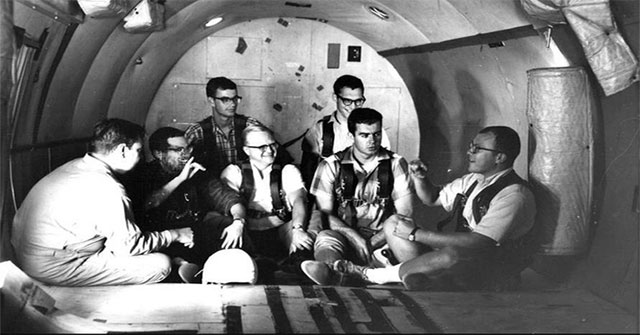
Before bringing people into space, NASA had to conduct a thorough research on the effects of zero gravity on the human body over a long period of time.

In the new study, the researchers used a wrist sensor and an AI algorithm to detect 'internal disorders' in children with an accuracy of up to 81% in just 20 seconds.

Scientists at Columbia University in New York (USA) claim to have built a system that can read people's thoughts and translate information into words.