Medicine - Health
Mistakes to avoid when first aid victims of acidosis
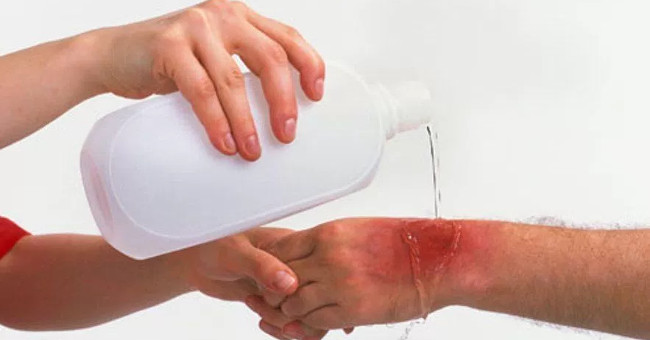
Trying to take off the clothes that stick with the burn, soak the wound in the water, apply ice to the burn, break the water ball on the skin ... are common mistakes whe…
Browse ScienceInfo articles and explainers related to Victim.
394 published items.
Trying to take off the clothes that stick with the burn, soak the wound in the water, apply ice to the burn, break the water ball on the skin ... are common mistakes whe…
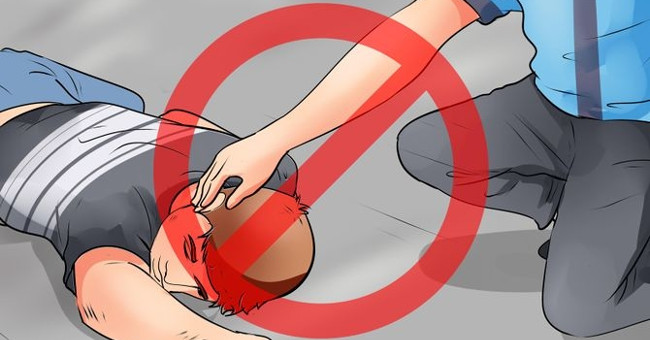
Few people know that trying to help an accident sometimes makes them more dangerous.

Basic first aid skills can save lives when needed. Artificial respiration, first aid for drowning, first aid for people with heart attacks, burns, heavy blood burns, blo…
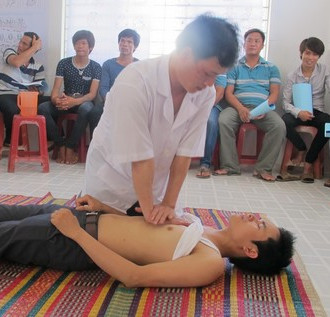
Doctor Hoang Bui Hai, Head of the Emergency Department and Positive Resuscitation Department, Hanoi Medical University Hospital introduced some basic knowledge to help f…
When burned, quickly cool the wound with cold water or apply cold for at least 5 minutes and cover the burn with a sterile gauze bandage.
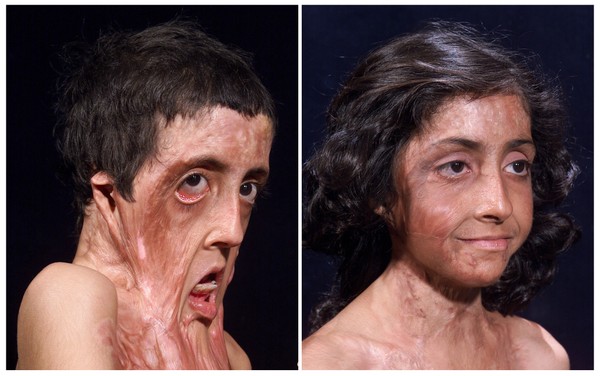
Scientists have found a protein that opens new hopes for patients with severe burns.
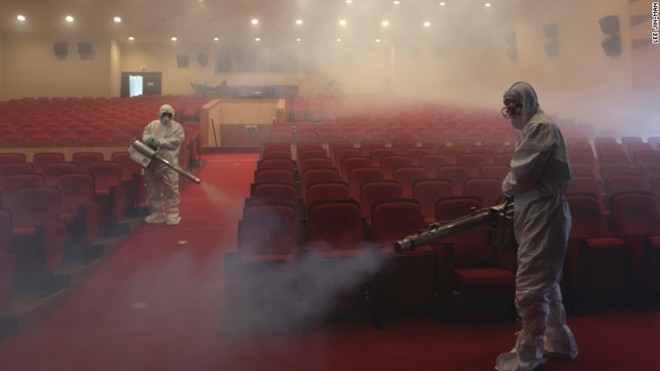
A patient in Germany died of Middle East Respiratory Syndrome (MERS). This is a case of death because the first MERS was recorded in Europe.
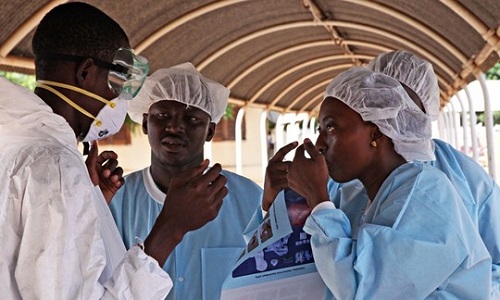
Authorities in southeastern Nigerian town say at least 18 people have died due to a mysterious disease.
In order to avoid oxygen deprivation, the victim should lower his head to the middle of his legs to increase blood flow to the brain, limiting talking or working hard to…

The best ways to protect you and your loved ones from poisonous red-tailed green snakes.

A source from the Mali prime minister's office said Mali's first victim of Ebola was killed on October 24.
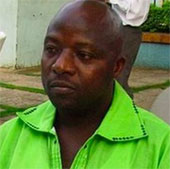
Texas state hospital officials have announced the first Ebola victim in the United States, Thomas Eric Duncan, 42, died after being treated with an experimental drug.
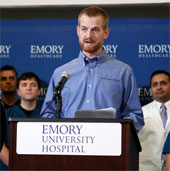
The Republic of Congo warns of strange diseases that are killing many people. WHO says the Ebola epidemic continues to worsen in West Africa.
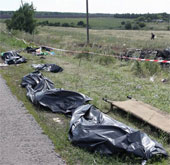
Identifying the victim's identity in a disaster is not an easy task, especially when limited access to the site and collection of evidence.
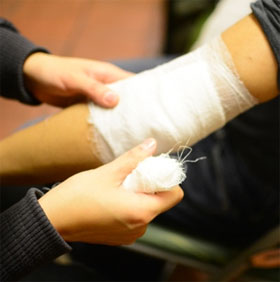
Hemostasis, bandaging and artificial respiration are essential skills to help you deal with unfortunate incidents on the travel route.