Oceanography
Discover the world's longest living animals
Scientists have identified the longest living animal in the world. It is a sea oyster in the North Atlantic with a lifespan of up to 507 years.
Browse ScienceInfo articles and explainers related to Age.
1,378 published items.
Scientists have identified the longest living animal in the world. It is a sea oyster in the North Atlantic with a lifespan of up to 507 years.
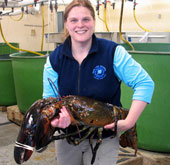
For the first time, scientists have found a way to determine the age of lobsters, by counting their rings, like rings in the trunk.
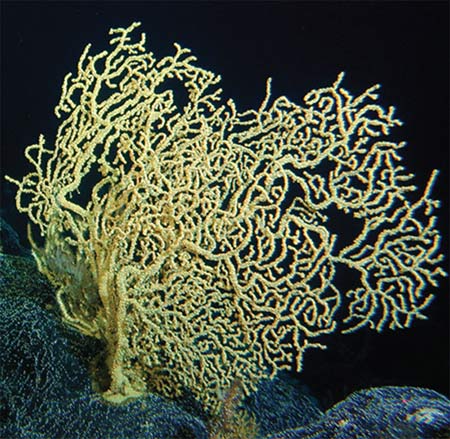
Deep-sea corals are the oldest bony species, a new study found 4265-year-old corals off Hawaii.
A sea son just hit from the coast of Iceland is considered the longest living creature on earth. Scientists estimate its age from 405-410 years, while Shakespeare was wr…

According to the most recent estimates, the age of the earth is about 6 billion years. But 2 billion years ago life began to appear on earth. It is suggested that the st…

Scientists have gathered evidence that 3,700 years ago, an explosion of an object in the atmosphere destroyed the settlements in modern Jordanian territory.
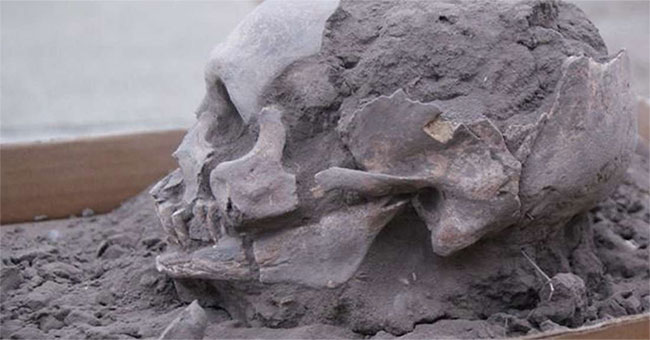
Archaeologists from the Far Eastern Federal University (Russia) have announced that it has found the oldest cemetery in Ecuador known as Atahualpa anton.
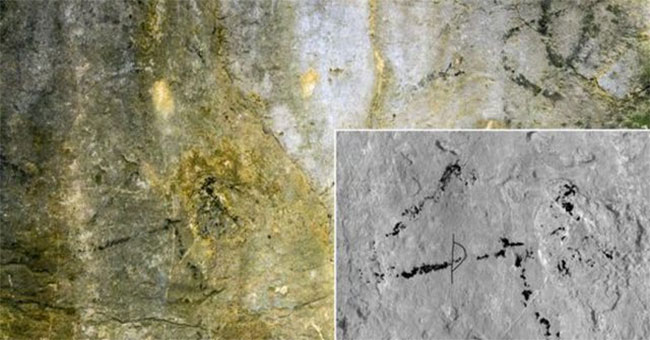
Archaeologists have a remarkable discovery with cave paintings in eastern France dating to 12,000 years old, hidden under another drawing.
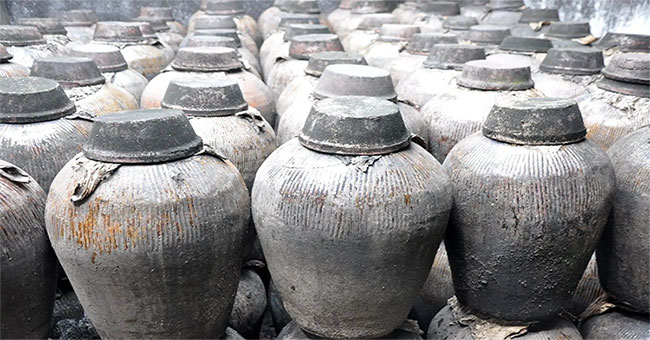
Chinese archaeologists have recently found an ancient copper jar of 2,000-year-old age in an ancient tomb containing an equivalent age-specific wine.
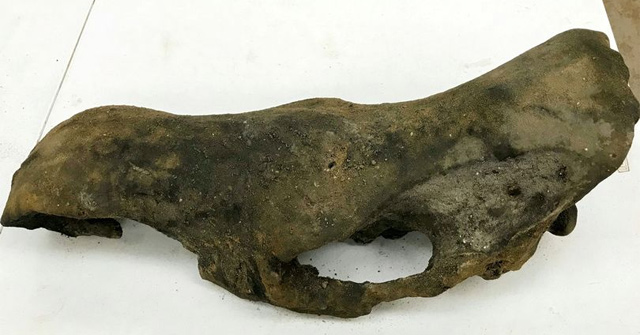
Archaeologist identified this discovery as

Between the 14th and the 19th centuries, winter temperatures suddenly dropped sharply, causing the whole of Western Europe to sink in cold.
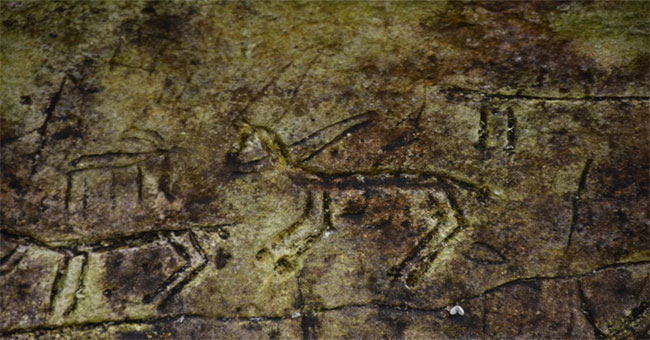
This 2.6 million-year-old stone carving has a length of up to 8m, a width of 70cm with a description of the hunting and gathering scene of the ancient people.
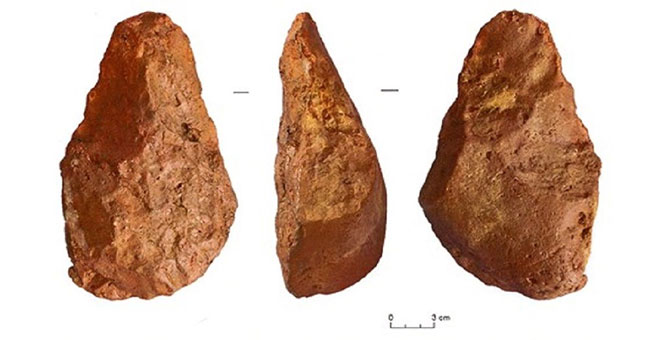
The results of archaeological excavations at the former Stone Age relic in An Khe town, Gia Lai province of international stature, have shocked the archaeological world.

These are two of the world's oldest soft-tissue mammalian mummies, scientists said.
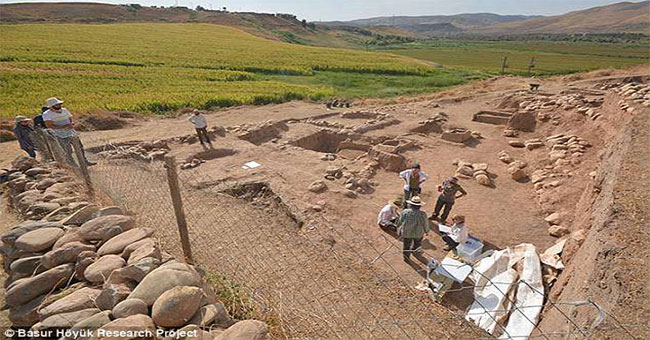
Between 3100 and 2800 BC, in order to show off their power, the bronze rulers used dozens of young children and young people to make sacrifices.