
Medicine - Health
When the body weakens?
After a decade-long study, the top US health consultants recently revealed a timetable for the weakening of body organs.
Browse ScienceInfo articles and explainers related to Age.
1,378 published items.
After a decade-long study, the top US health consultants recently revealed a timetable for the weakening of body organs.

Every year in the world, 1.2 million children under 5 years of age die from pneumonia. The disease is caused by two types of pneumococcal streptococcus pneumoniae and ha…

Leading experts warn women who want children that their biological clocks run very fast.

Looking at the light skin of this 23-year-old girl, you can't believe that when she was born, she was black. Darcel de Vlugt is extremely rare in vitiligo, to the extent…

A model for treatment and infection of influenza shows that if the current swine flu epidemic is as fluent as the 1918 flu, antiviral treatments should be reserved for y…

A recent study reveals the secret of long life to be in eating foods based on very low calorie foods.

In a recent study by Dutch scholars, the fetus at 30 weeks of age may have short-term memory.
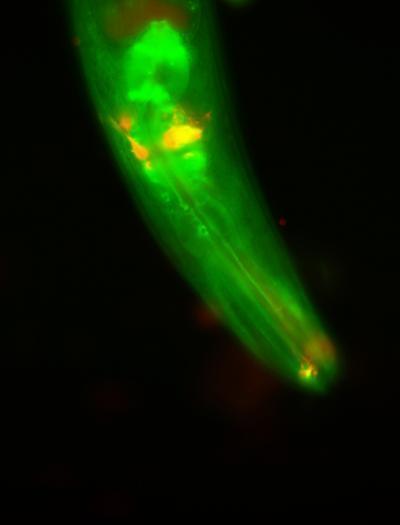
Now, researchers at Salt Biological Research Institute have identified the key role of two enzymes together to determine the health benefits of a low diet.

Today, the number of women giving birth in the age of 35-49 is three times higher than in the 1970s. The following are things waiting for you during pregnancy in your 20…
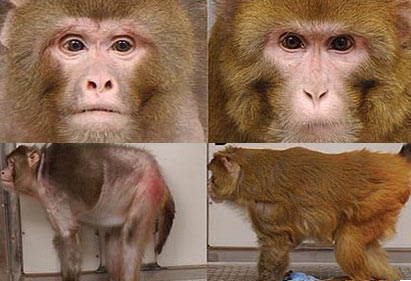
For more than 20 years, monkeys that eat comfortably have a three times higher risk of death than those with restricted diets, a long-term study has just published.

Today, the rate of men suffering from prostate diseases is increasing. Age can greatly affect your risk of getting sick.

Question this week: Some people advise me to exercise more but I'm worried that there will be some bad effects because I'm already 73 this year.

Children of preschool age (3-6 years old) snoring are often at risk for symptoms of depression and anxiety.

Reducing calories will prolong the lives of rats. The phenomenon is explained by the ability of cells to detect sugar in their environment.

Babies who gain weight quickly in the first 6 months of life tend to be obese at toddler age, Harvard University experts say.