New technology
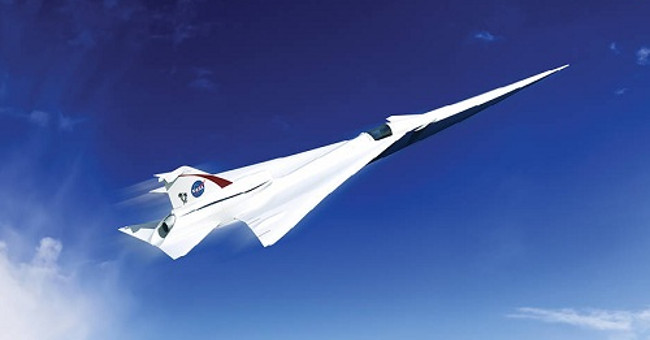
NASA designs supersonic passenger aircraft without causing explosions
The NASA launches a new super-slim passenger jet project that will not cause explosions like the legendary Concordes.
Browse ScienceInfo articles and explainers related to Aircraft.
1,304 published items.
The NASA launches a new super-slim passenger jet project that will not cause explosions like the legendary Concordes.
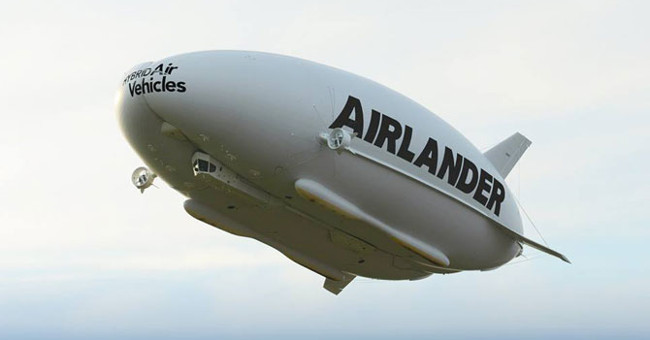
Airlander, which is more than 91 meters long, holds enough helium gas to fill 15 Olympic pools, which will be ready for use next month.
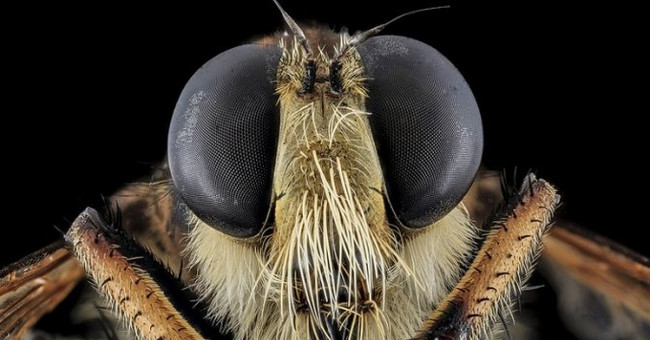
Scientists have developed unmanned planes from the ability of locating bees to find their nests.

Russian aircraft designers plan to build a giant supersonic airliner that can bring tanks to the battlefield in just a few hours.
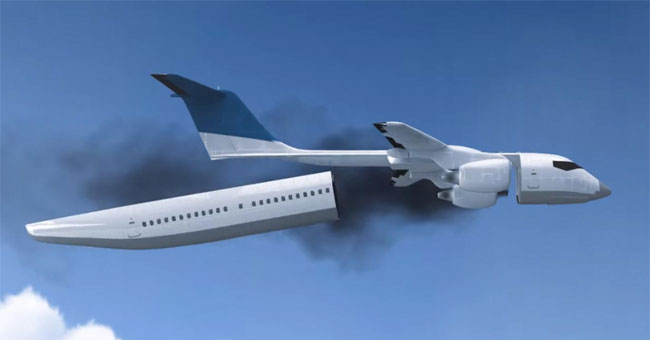
It is not unreasonable that aircraft manufacturers such as Boeing and Airbus have not yet launched an aircraft that can separate the passenger cabin from the head and wi…
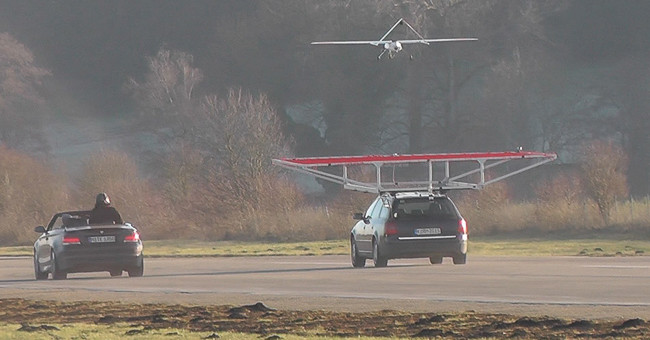
The German space agency has successfully tested the technology to allow an unmanned drone or a drone to land on a moving vehicle.
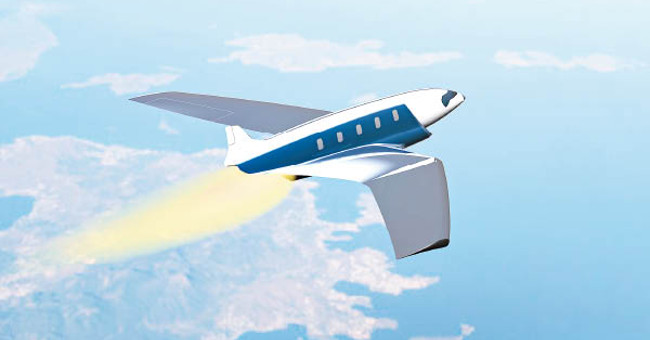
A new aircraft design could carry passengers nearly 12 times faster than the Concorde, allowing it to travel from the UK to the United States in a very short time.
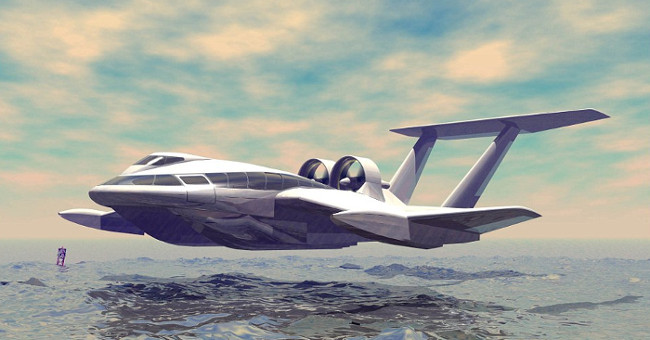
FlyShip is a type of ocean transport designed by German engineers to provide full functionality of ships, aircraft and air-cushioned vessels.
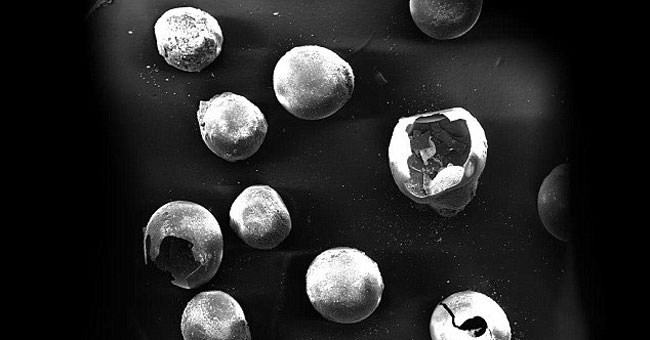
Scientists have sought to develop a structural coating of millions of tiny, hollow carbon globes, tightly packed into a single hexagon, made of carbonized sugar, which c…
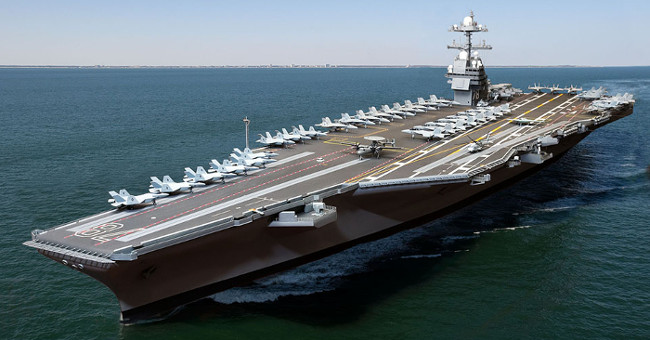
USS Gerald R. Ford and USS John F. Kennedy are two new Gerald R. Ford-class super carriers about to be equipped for the US Navy.
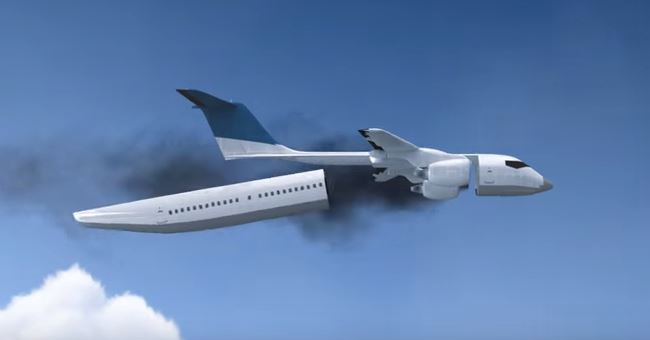
A Russian engineer offers a new way to save thousands of passengers in the event of an emergency on the plane.
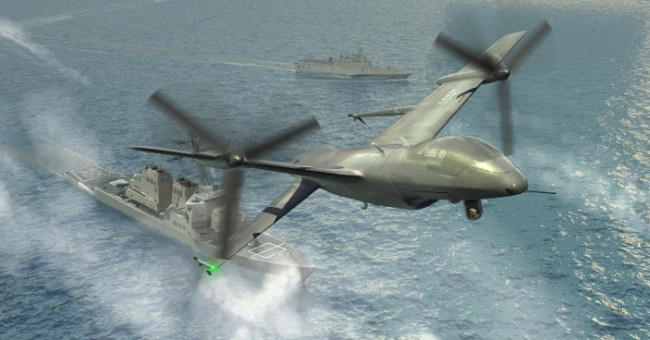
The unmanned aircraft capable of landing anywhere with a tail (tailsitter) will turn all US Navy ships into aircraft carriers.
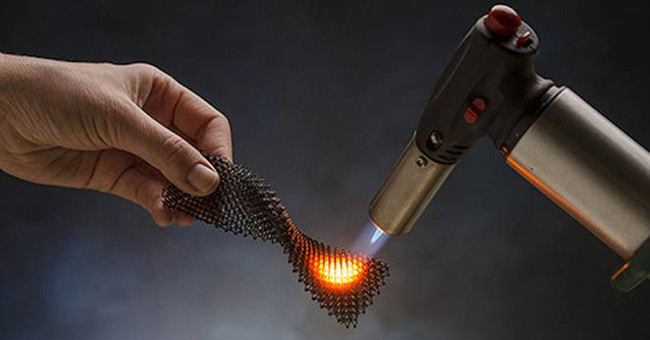
With heat resistance up to 1,700 degrees Celsius, 3D printing ceramics are the perfect material for making new generation supersonic planes, missiles and spacecraft.
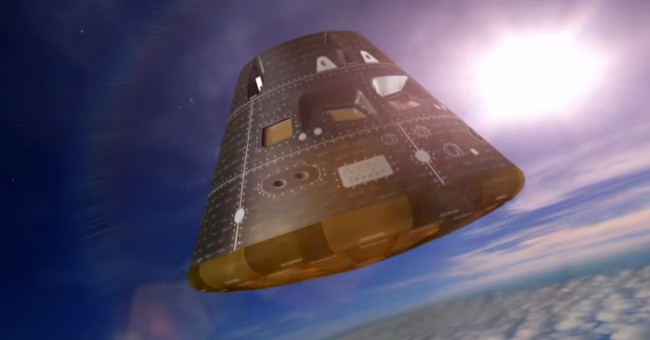
US scientists have successfully synthesized a new metal that promises to change the car, aircraft, and spacecraft industry.
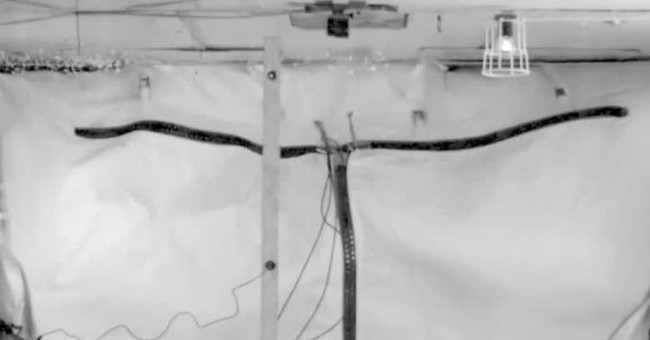
A controlled explosion in the aircraft's luggage compartment has been successfully controlled by a bomb-resistant liner, developed by a group of British scientists.