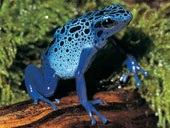
Animal world
A species of 'deaf ear frog' was discovered in Ecuador
Researchers from the University of Ecuador's Christian University have discovered a new frog, which has a particularly noisy sound and grows in tropical forests.
Browse ScienceInfo articles and explainers related to Amphibian.
183 published items.
Researchers from the University of Ecuador's Christian University have discovered a new frog, which has a particularly noisy sound and grows in tropical forests.
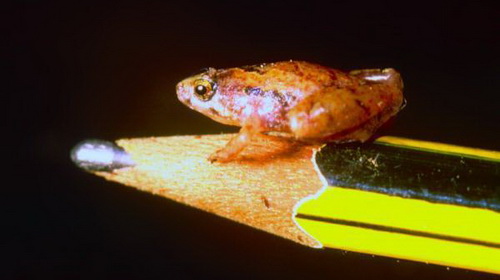
One of the world's smallest frogs has just been discovered inside and around warm plants in the forests of Borneo island, Malaysia.

Tree frogs in the rainforest send messages to their fellow humans by snatching branches.


Common insecticides, such as herbicides atrazin, can cause the male frog's sex change into female frogs to reproduce normally.

Scientists have discovered that a frog can change color as it matures.

The golden-dot bell frog, thought to have been extinct more than 30 years ago, was found in the Southern Tablelands region of New South Wales, Australia.

Dr. Ngo Thai Lan, lecturer of Faculty of Biology, Hanoi Pedagogical University 2, has recently discovered a new feature on reproductive species of precious and rare amph…

Panama scientists have discovered the Chytrid fungus (Batrachochytrium dendrobatidis) is the culprit causing the extinction of 100 species of frogs.
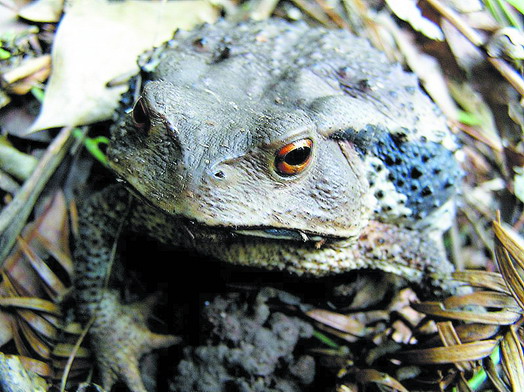
The headquarters of the International Union for Conservation of Nature in Gland Switzerland on August 25 announced that in more than 6000 types of amphibians, one-third…
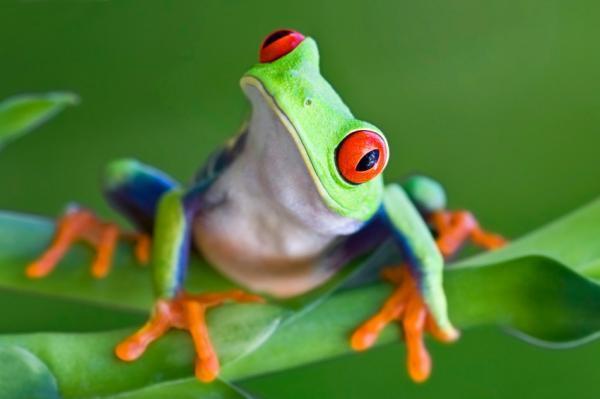
Amphibian communities are shrinking on a global scale, mainly due to chytridiomycosis.
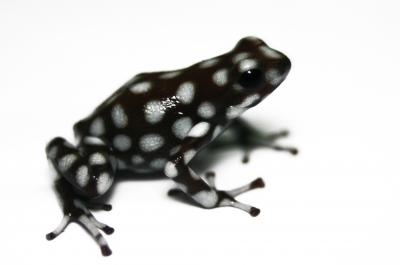
The multicolored poison frogs in the Amazon have been as diverse as today thanks to the many ancestors moving from the Andes to this area over the past 10 million years,…
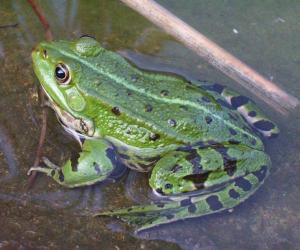
The frog foot trade for human consumption is pushing the animal to the brink of extinction, according to a new study by an international group of University of Adelaide…

This amphibian can identify the smell of enemies since they are still in fetal form, US scientists claim.
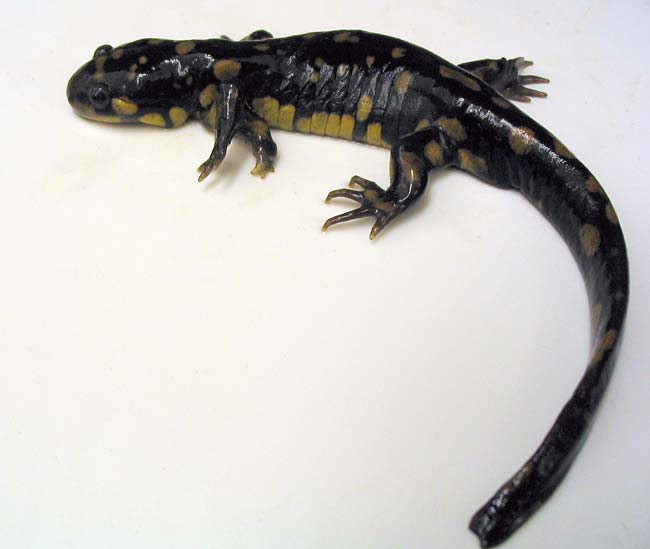
Strange high distortion rates of salamanders, frogs and other amphibians have made scientists floundered in recent years.