
Medicine - Health
New breakthrough in IVF method
Scientists at the University of Melbourne, Australia discovered a new way to accurately check embryonic health status.
Browse ScienceInfo articles and explainers related to Birth.
1,007 published items.
Scientists at the University of Melbourne, Australia discovered a new way to accurately check embryonic health status.

Swedish scientists have discovered the secret of uterine transplantation, opening up the possibility of the theory that men can become pregnant and have children.

According to research by scientists, children with jaundice at birth will have a higher risk of developing autism than normal.
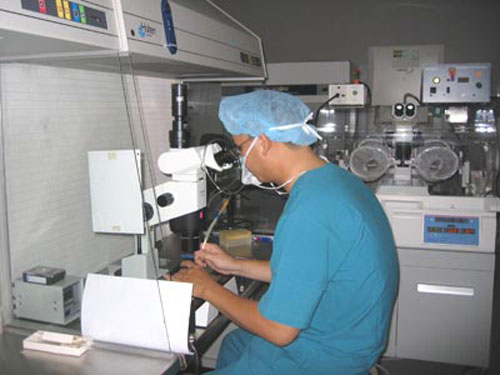
Australian scientists warn, in vitro fertilization (IVF) treatment may cause gender imbalance.

Several IVF techniques are contributing to an increase in the proportion of boys, researchers have just revealed. Specifically, in some methods

One study found that taking birth control pills contained hormones that increased the amount of gray matter in a woman's brain.
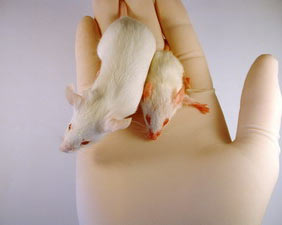
Research by scientists from the Japan Institute of Physicochemical Research shows that if a mutant gene on the X chromosome works, the birth rate of a somatic cloned mou…
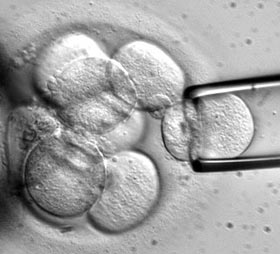
Those who could not give birth because the ovaries were broken had new hope, after the scientists raised the world's first artificial ovaries.

Scientists at the University of Newcastle, UK, said that in modern society, more and more women when they reach the age of 40 are just starting to want to give birth, th…

In the white sari, Sunita Jadhav sailed along the muddy village road from house to house calling for newlyweds to postpone birth for 2 years. In return, they will get go…

Drinking a cup of coffee every day during pregnancy does not increase the risk of miscarriage or premature birth.

More and more women are reported to have uterine cancer, because they give birth less or even not give birth, the latest figures reveal.

When you are in the period of birth control pills, be aware of the warning of Dr. Kent Holtorf, Director of Holtorf Medical Group, so as not to fall into a 'bad cry'.

Babies who are breastfed for the first four months after birth will reduce their risk of asthma by the age of eight.

Pregnant women, if not treated with gum disease, are 3 times more likely to have a premature birth before 35 weeks, US scientists claim.