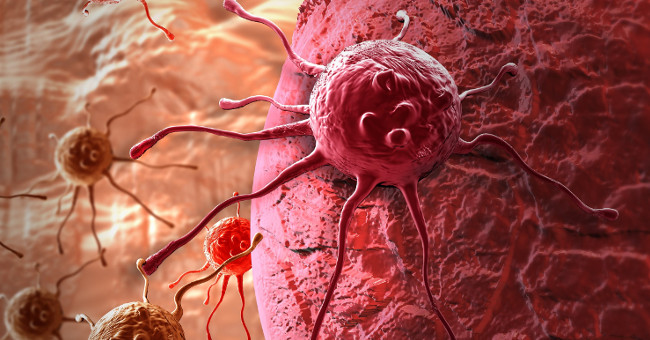
Cancer
New compounds prevent the development of cancer
The new compound called MYD1-72 acts as a receptor, able to bind and remove cancer-causing cells, prevent disease from developing.
Browse ScienceInfo articles and explainers related to Cancer Cells.
226 published items.
The new compound called MYD1-72 acts as a receptor, able to bind and remove cancer-causing cells, prevent disease from developing.


The effects of pressure on people with cancer are much more terrible than many people imagine.

Scientists from Phystech Moscow and the Research Institute of the Russian Academy of Sciences have found a way to extract effective anti-cancer agents from molecules tha…
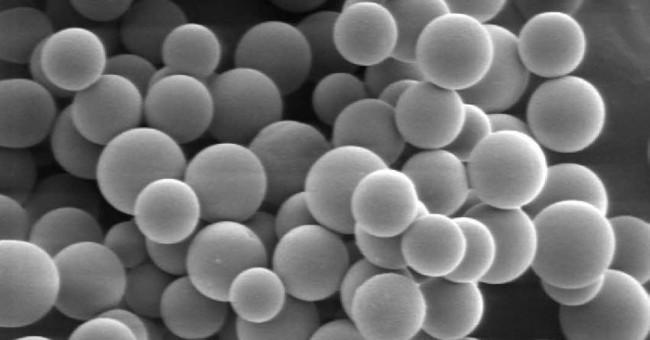
Scientists at the Moscow State University (MGU) and the German Photon Jena Institute have created micro-silicon nanoparticles that contain drugs.
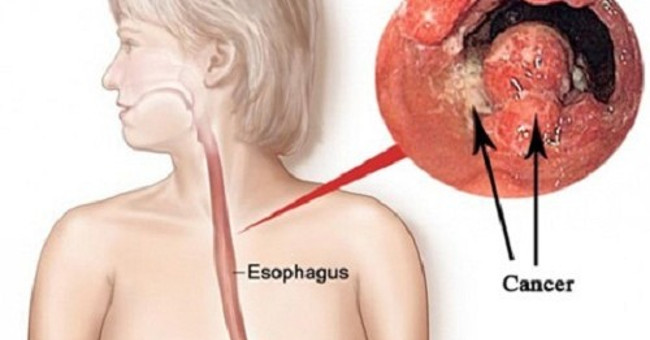
Okayama University, Japan, has published the results of a new treatment study for esophageal cancer patients, with a specific virus that destroys cancer cells.
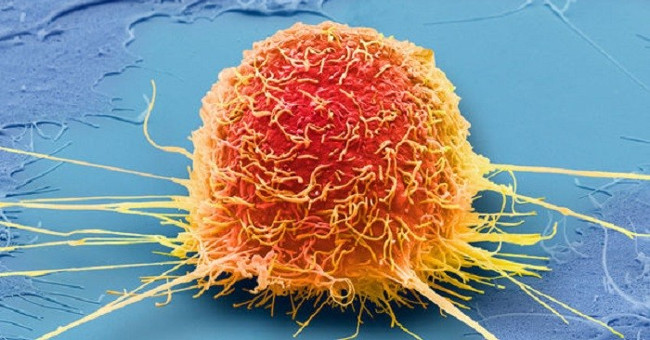
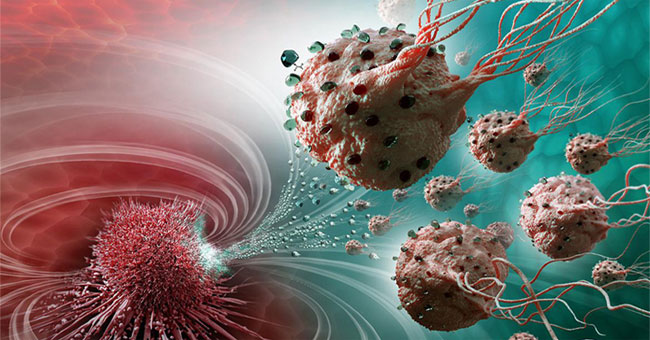
A Canadian team developed a micro-biological robot capable of transporting specific drugs to the right cancer cells that are active.
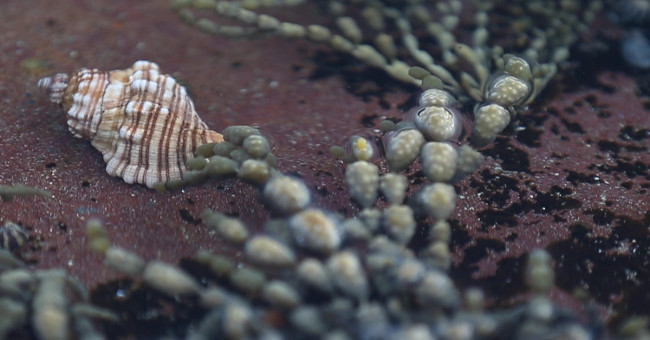
Substances in the nudibranchs that live along the Eastern coast of Australia are very resistant to cancer.
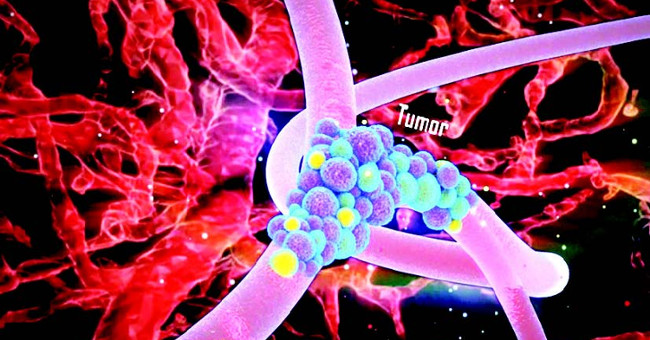
This is the topic of the author group under Hanoi University of Pharmacy and is one of the outstanding studies of the key state-level science and technology program in t…
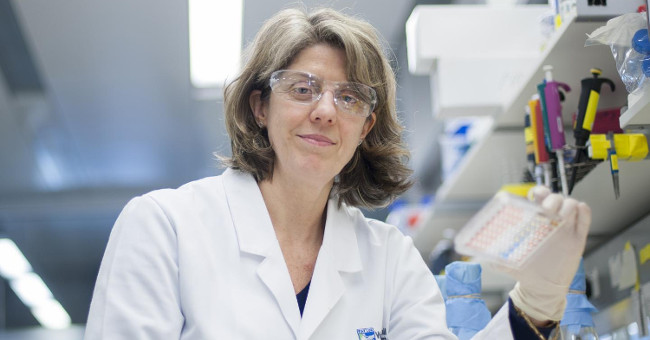
Cancer is always a horrifying terror for every person, we silently pray for a miracle or a remedy to heal this disease.
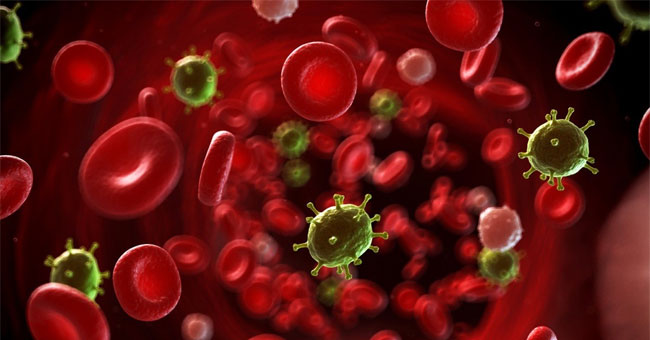
Dr. David Hawkins is a very famous doctor in the US, his patients come from all over the world. He said, just by seeing the patient, he knew that the person was sick.
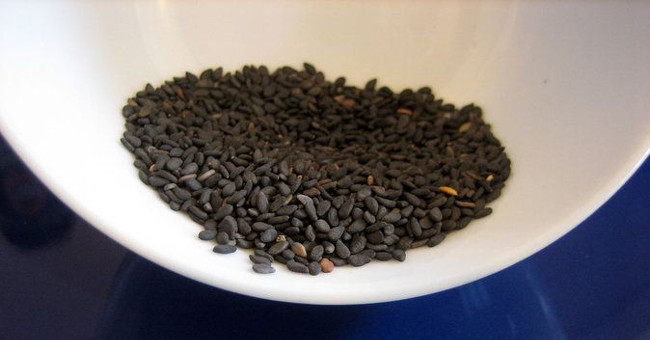
Researchers from the University of Northern Thailand claim a compound called Sesamin, extracted from black sesame seeds, works to prevent the growth of cancer cells.

Lauric acid accounts for about 50% of coconut oil and can kill more than 90% of colon cancer cells after just two days of treatment, according to researchers at the Univ…
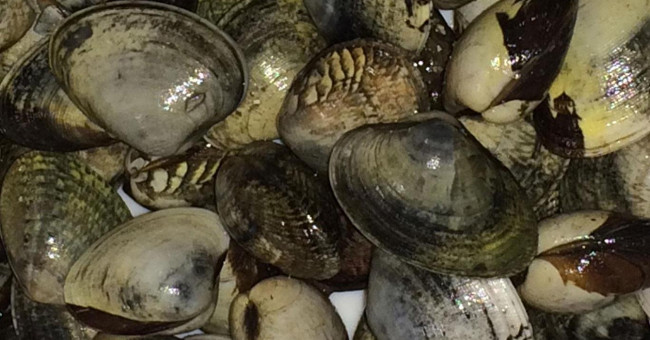
Contagious cancer cells are becoming increasingly popular among animals and marine life, sparking fears that the disease can spread from one person to another.