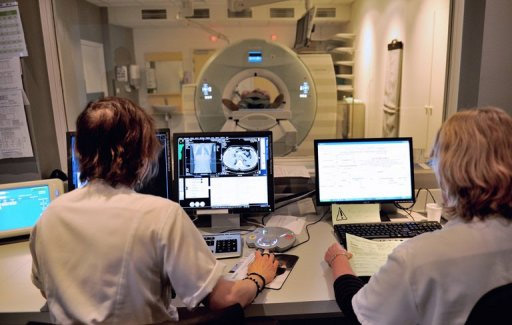
Medicine - Health
Genetically modified viruses can cure cancer
A genetically modified virus tested in 30 patients with end-stage liver cancer can help them prolong their lives, ...
Browse ScienceInfo articles and explainers related to Cancer.
2,481 published items.
A genetically modified virus tested in 30 patients with end-stage liver cancer can help them prolong their lives, ...

The Journal of Medical Investigation (JCI) on January 25 published an experimental study on mice showing that drugs for treating erectile dysfunction in men and green te…
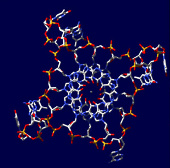
Experts from Cambridge University (UK) said for the first time witnessed the DNA sequence has up to 4 fibers in fact.
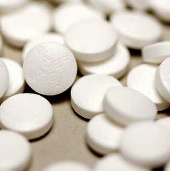
Regular use of aspirin can triple the risk of macular degeneration, leading to blindness.

Onions is an interesting plant. In Russian folk medicine, people regard onions as a panacea.
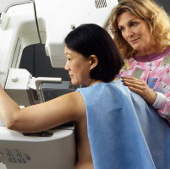
Many breast cancer patients in the UK are benefiting from new breast reconstruction surgery, which is using grafting from pigs.
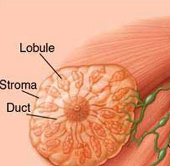
Australian researchers have discovered a gene-altering factor, which may open up new treatments for breast cancer patients.
A breakthrough study in Japan has created cells capable of searching and destroying tumors, according to Express.
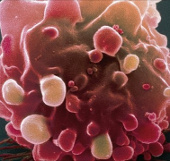
British scientists believe that they have explained why some families are at risk of incredible high intestinal cancer through DNA analysis of 20 people with a family hi…
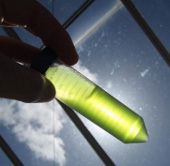
Biologists have designed algae to create complex anti-cancer drugs.
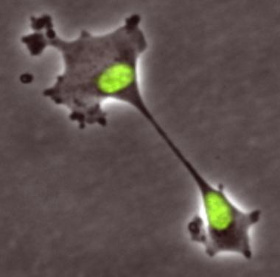
Researchers at the University of Wisconsin Carbone Cancer Center have discovered a new form of cell division in human cells.
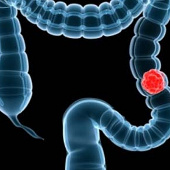
Italian researchers have said an experimental health test can diagnose colorectal cancer with an accuracy of over 75%.
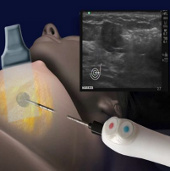
Israeli scientists have successfully developed cryoablation, using supercooled temperatures to destroy tumors.

Novartis is betting $ 20 million on a strange cancer treatment. Although hard to believe, it seems that this therapy saved a 6-year-old girl in the United States, the Ne…

A study showed that drinking 300ml of carbonated water a day increases the risk of prostate cancer in men by 40%.