Medicine - Health
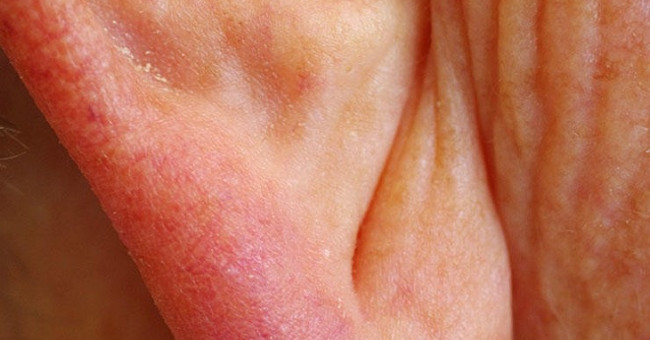
Crossbones in the earlobe warn of cardiovascular disease
If the eyes are the window of the soul, the ears are the window of the heart. Looking at a sign that appears in the earlobe will help us diagnose a cardiovascular diseas…
Browse ScienceInfo articles and explainers related to Cardiovascular.
330 published items.
If the eyes are the window of the soul, the ears are the window of the heart. Looking at a sign that appears in the earlobe will help us diagnose a cardiovascular diseas…
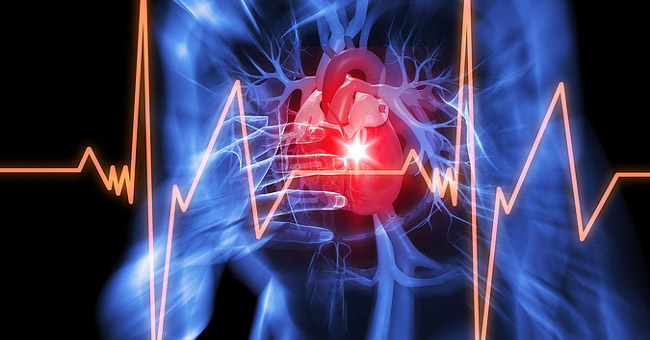
The appearance of a series of signs such as chest pain, difficulty breathing, unexplained fatigue ... should be monitored and examined immediately. Because most likely y…
Blood type has been shown to affect health: people with O blood are less likely to have cardiovascular disease and cancer than other blood types.

A recent announcement by scientists suggests that if we drink two 330ml beer cans per day, we can reduce the risk of heart disease by 25%.


Too indulging yourself with a 'smooth' nap routine will cause your body to face unpredictable health warnings.
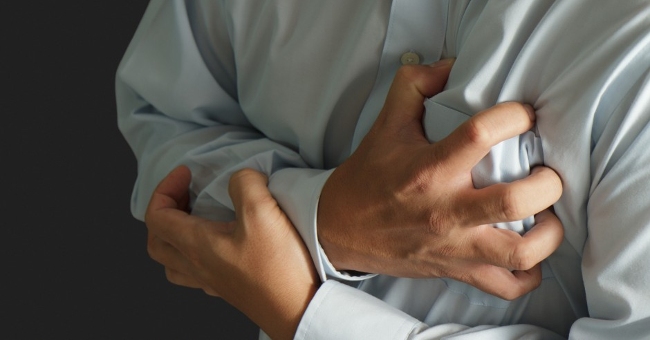
According to a recent study, compared to two decades ago, the age of heart attack patients decreased from 64 to 60 years old.

Bread is a popular choice for breakfast. However, for some people, it is necessary to remove this habit to ensure health.


Contrary to previous scientific studies suggesting that eating a lot of chicken egg yolk will increase the risk of heart disease, Finnish scientists have just published…

To prove this point is wrong, Dr. Marcus and his colleagues conducted an examination of 1,388 people aged 72.

After 10 years of research, American scientists have found that drinking coffee regularly can help reduce mortality due to various causes, including cardiovascular disea…

Bad oral hygiene can lead to blood clots and death, British scientists say.

Much sitting is scientifically proven to be associated with an increased risk of cardiovascular disease, cancer and even premature death.
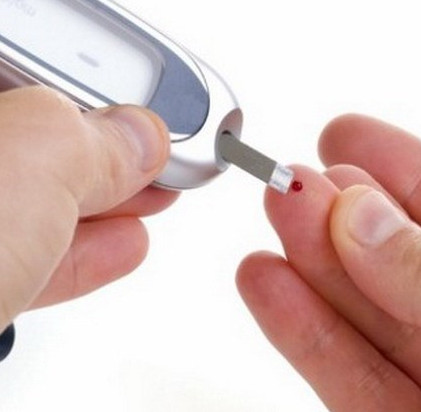
Jardiance, a pill to treat type 2 diabetes, can significantly reduce the risk of death among diabetics who are more likely to experience cardiovascular complications.