
Medicine - Health
Soy compound helps treat HIV
According to scientists at George Mason University (USA), a compound in soybeans may open up hope for effective treatment of HIV infection.
Browse ScienceInfo articles and explainers related to Cell.
3,353 published items.
According to scientists at George Mason University (USA), a compound in soybeans may open up hope for effective treatment of HIV infection.

With the eyes of 49-year-old Ukaine Sake Ao, tiny bacteria, viruses, and bacteria all become clear.

In the study of mice published in The Journal of Neuroscience, scientists found that blue light at night had an adverse impact on the mood of this animal, followed by wh…

Scientists discover nerve cells, called grid cells, while activating the brain of game participants to explore the virtual environment.
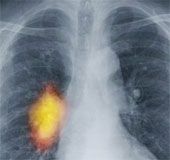
Every year, nearly 8 million people worldwide die from cancer. Currently, science has discovered more than 200 different types of cancer, each with its own symptoms, tre…
Scientists discovered that cells extracted from the body of a poor black woman who died of cancer in the United States in 1951 were the first human cells to grow indefin…

Scientists have long been concerned about the harmful effects that may occur due to frequent use of mobile phones, but studies so far are largely unconvincing.

Can stem cells be harvested to treat a day by simply asking patients to provide a urine sample?
Rakesh Jain, a Massachusetts General Hospital doctor in the United States, and colleagues transplant stem cells to the brain surface of mice.

The world's first artificial meat sandwich is cooked at a restaurant in the British capital on August 5.
The British Medical Research Council (MRC) announced on July 21 that scientists in the country have succeeded in recovering sight for blind mice. This is considered a ne…
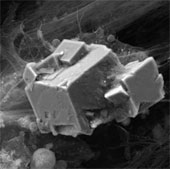
The scientific group in Granada, Spain has invented a new biological material from umbilical cord cells with the help of carbon fiber that acts as a skeleton, helping to…
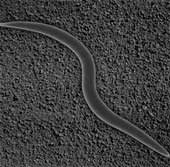
Russian scientists have demonstrated that nitric oxide (chemical symbol NO) works to increase life expectancy in humans.
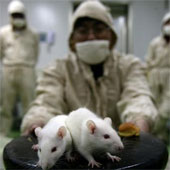
After an initial successful test in mice, Chinese scientists believe that stem cells derived from urine can help humans re-grow lost teeth.
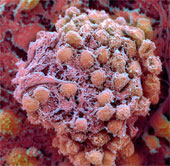
US scientists have recently reported making human embryonic stem cells from skin cells using cloning techniques.