
Cancer
Pomegranate helps prevent breast cancer
Eating pomegranates may reduce the risk of breast cancer, according to research by Ohio University (USA) scientists.
Browse ScienceInfo articles and explainers related to Cell.
3,353 published items.
Eating pomegranates may reduce the risk of breast cancer, according to research by Ohio University (USA) scientists.

Recent studies suggest that eating mangoes may prevent the development of breast cancer and colon cancer cells.

Chinese scientists have found two proteins that can help accurately predict the spread of colon cancer.

Australian scientists have discovered a link between breast cancer and solid breast tissue cells, which could help identify women at high risk for breast cancer.

A revolution in breast cancer treatment that focuses on destroying the tumor with a stream of laser light.

There are doubts that chemicals with estrogen-like properties can cause cell division in the mammary gland leading to cancer.

The Nobel Prize in medicine has identified the owner - three US national scientists Elizabeth Blackburn, Carol Greider and Jack Szostak.
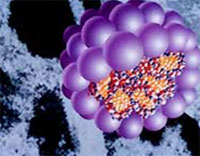
Cervical cancer is the second most common disease in women in the world, with nearly 500,000 women suffering from cervical cancer every year, more than half of whom die.

Scientists announced that it had initially won the battle against breast cancer after discovering a defective gene plays a key role in half of all cancers in the UK.
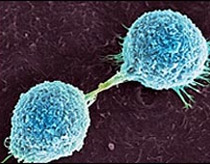

Many studies need to be done immediately to determine the possibility of using a cell phone may increase the risk of brain cancer.
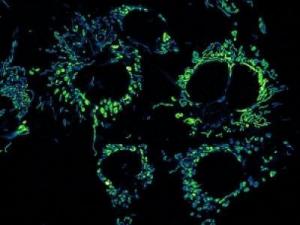
Researchers in Pennsylvania for the first time reported that nanoparticles could kill malignant tumors in humans and laboratory breast cancer cells.

A cup of coffee a day can help prevent skin cancer. A new study shows that caffeine helps eliminate human cells damaged by ultraviolet rays, which is one of the key poin…

The poison from a Middle Eastern scorpion has been developed into a drug that injects the brain of a patient with brain cancer.

US scientists have identified three types of genes involved in the process of breast cancer cells spread to the brain.