
AI - Artificial intelligence
The world's first sexless AI voice
The world's first sexless AI voice helps change the thinking of virtual assistants as women.
Browse ScienceInfo articles and explainers related to Change.
3,238 published items.
The world's first sexless AI voice helps change the thinking of virtual assistants as women.

After leaving the position of Microsoft CEO, billionaire Bill Gates made a lot of contributions to the development of poor countries, including efforts to create new toi…
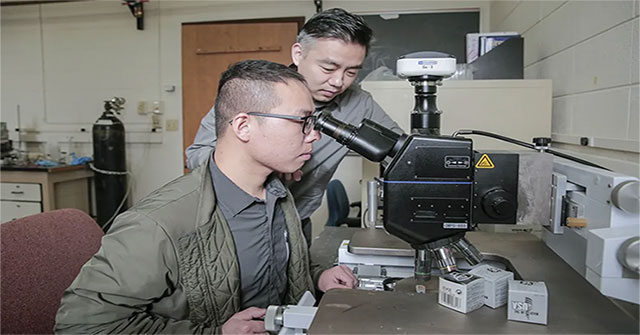
It is known that it is a small device without batteries. This may be the solution for people who are struggling to change their eating habits.

To date, the Nobel Prize has been awarded to many outstanding individuals with outstanding achievements. There are supposedly great inventions in history that change the…

This cheap, high capacity, high-capacity, fully recyclable thermal energy battery could be a key tool to lead us to a clean energy future.

Strange light and shape changes constantly appear in the sky of Hangzhou City, Zhejiang Province, China causing confusion among people.
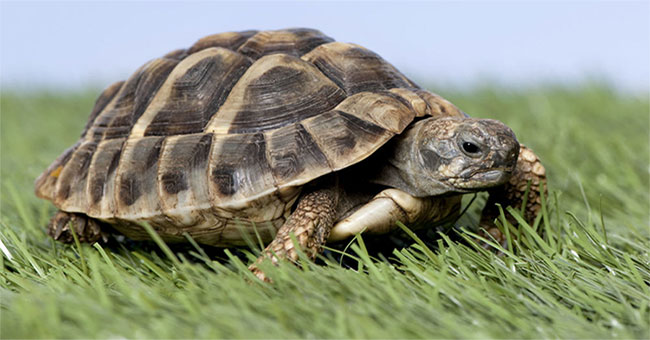
Scientists warn, some populations of popular turtles may disappear.

2018 is the year when climate change is more complicated. Climate change has become a real problem, we are seeing its effects right before our eyes.

A new study by scientists from the United Kingdom has shown that persistent bullying in schools will have a negative impact on the brain.

The white tongue is a sign that you may have diabetes, a red tongue when the body lacks iron, the tongue is blue and purple, manifests heart disease ...

The newly created liquid crystal elastomers can form many different shapes and move from one form to another under the action of heat.
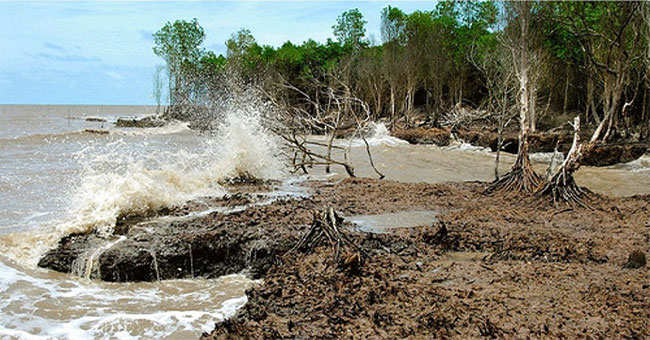
In the West Sea region (Ca Mau peninsula) previously had a high encroachment rate to the sea, now 70% of the area has retreated.

For a long time, scientists have argued about what has forced Siberian unicorns to extinction, human or climate.
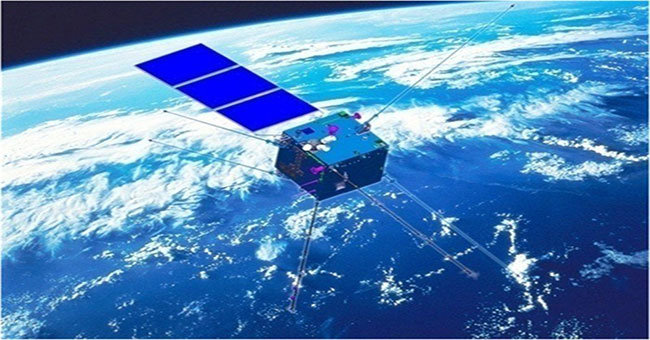
China and Russia are experimenting with a controversial technology to modify the atmosphere's ionosphere.
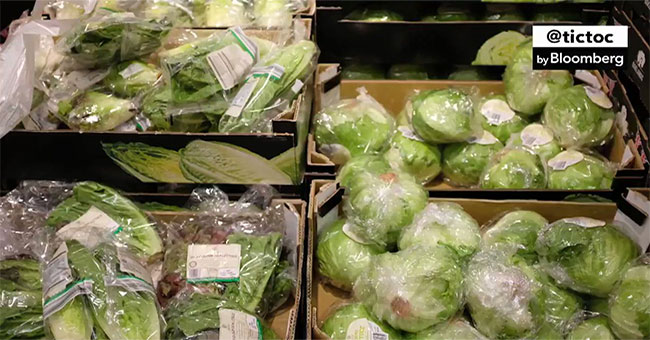
According to Science magazine, 83% of the world's agricultural land is used for animal husbandry, but livestock also has the cost of CO2 emissions.