
Space science
The tragic fate of Earth's
We can all breathe a sigh of relief: comet killer Elenin has swept close to the Earth but does not cause earthquakes or tsunamis as some predictions.
Browse ScienceInfo articles and explainers related to Close.
865 published items.
We can all breathe a sigh of relief: comet killer Elenin has swept close to the Earth but does not cause earthquakes or tsunamis as some predictions.
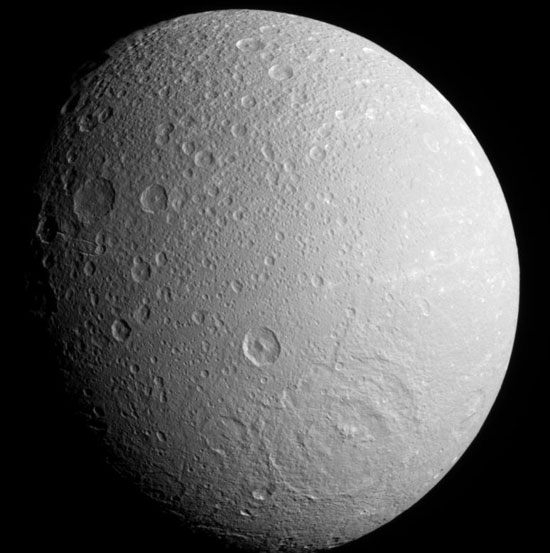
National Geographic reported that Cassini had just taken a flight close to Saturn's Dione satellite. Based on the data sent by the ship, scientists concluded that Dione…
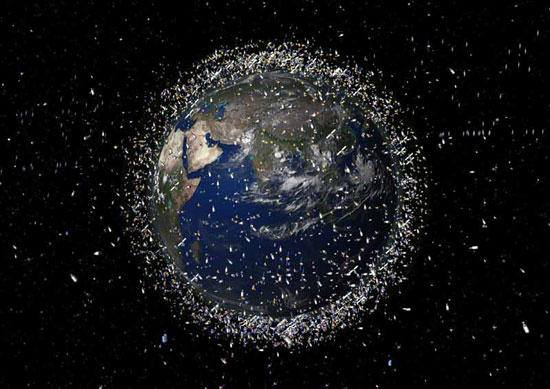
In close proximity to the Earth there are more than 16,000 units of space waste, compared to more than 8,800 units of waste in 2001.
Russia's space monitoring center tracks 15,000 objects in the universe to prevent close access to objects in orbit.
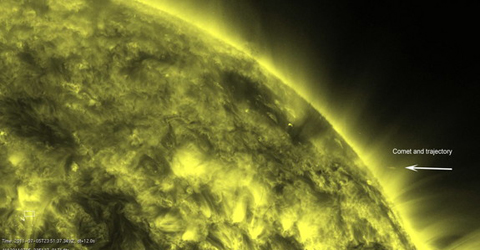
The death of a comet falling straight into the sun was recorded by scientists for the first time. The image was taken by NASA's Solar Dynamics Observator (SDO), a satell…
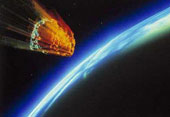
Yesterday (June 27), a new meteorite was discovered, about the size of a flying office building close to the Earth ...
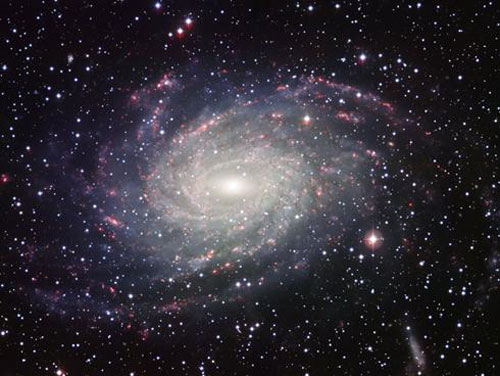
Astronomers have just announced a picture claimed to be the most beautiful ever about NGC 6744, a spiral galaxy described as human
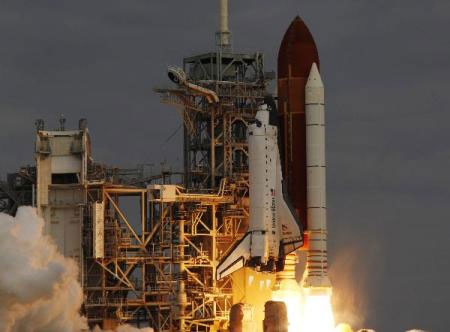
Yesterday (May 16), the US successfully launched space shuttle Endeavor on the international space station (ISS) from the Kennedy Space Center in Florida.
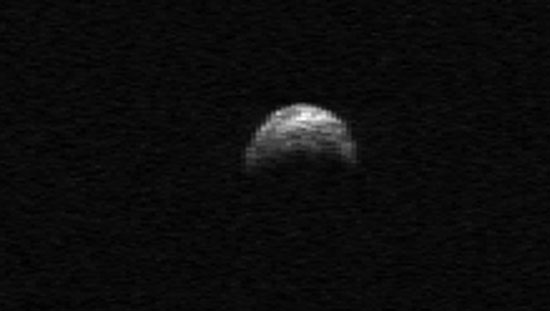
JPL Jet Laboratory of the US Aerospace Agency (NASA) on May 2, said a large asteroid will fly across the Earth in the coming Fall at close range.

For more than a week since the morning, people can observe how Venus and Jupiter approach each other - an astronomical phenomenon.
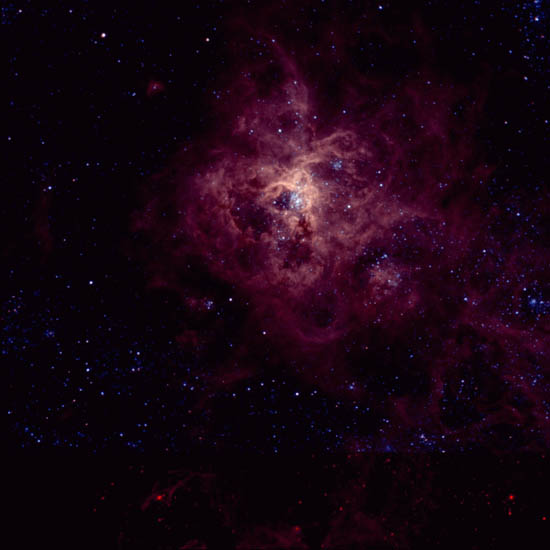
Scientists using the Hubble telescope captured the beautiful image of the Tarantula nebula from close range.
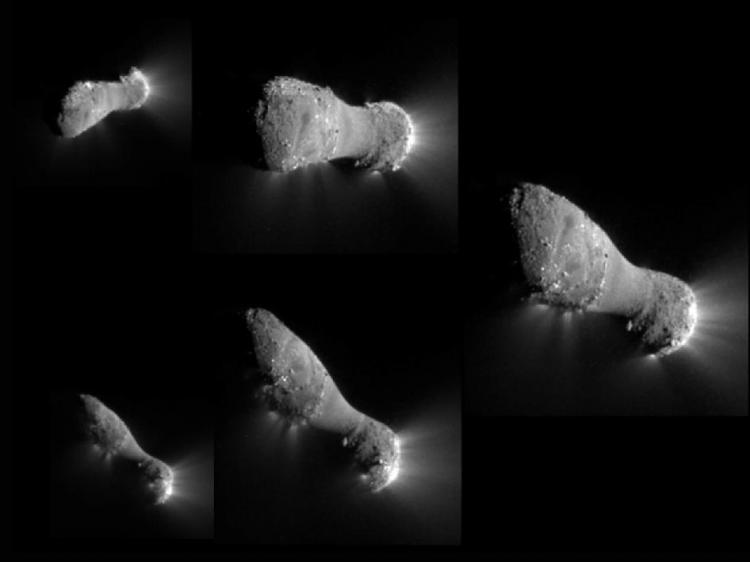
A space exploration ship of the American Aeronautics Agency (NASA) captured the comet close-up shots Hartley 2 for the first time.
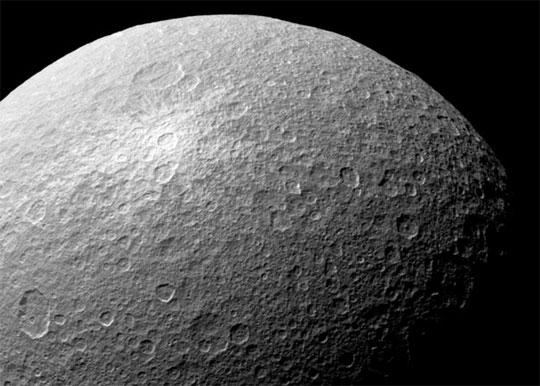
American Cassini spacecraft discovered the existence of the atmosphere on Rhea, Saturn's second largest satellite, in a close-up of this celestial body in March ...
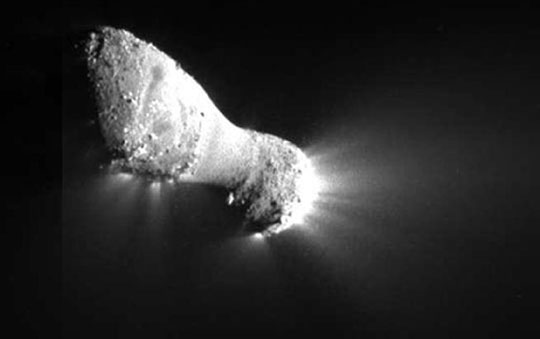
The first close-up shots of comets Hartley 2 sent by Deep Impact spacecraft show that this comet is shaped like a giant peanut.
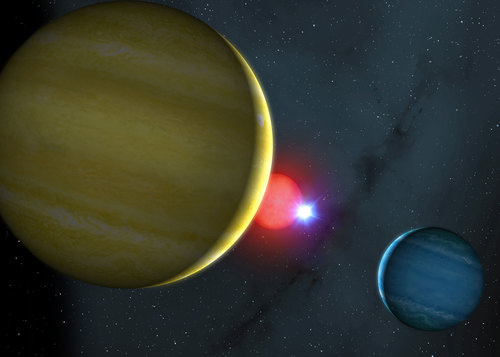
The special twin is named NN Serpentis, nearly 1,700 light-years from Earth, created by red dwarfs and white dwarfs.