Archeology
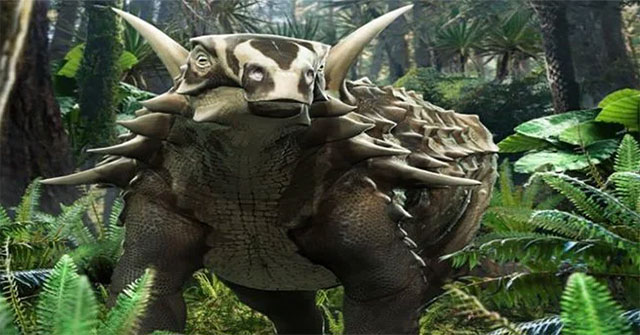
Research shows that 'living fortress' dinosaurs lived alone and deaf
New research shows that the typical Struthiosaurus dinosaur lived a slow, solitary life, with little mobility and poor hearing.
Browse ScienceInfo articles and explainers related to Cochlea.
10 published items.
New research shows that the typical Struthiosaurus dinosaur lived a slow, solitary life, with little mobility and poor hearing.
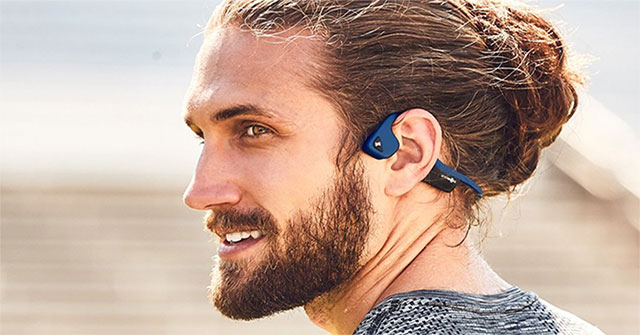
True wireless headsets have almost dominated the wireless headphone market in recent years, but it is not the only wireless technology that has caught people's attention.
The shape is very important, even for hearing. Especially the shape of the cochlea - a shell-shaped organ in the inner ear that converts sound waves into nerve impulses…
The results of the study of the ability to reproduce sound-recognizing cells after hearing loss in chickens raise hope for the birth of a method of reversing deafness in…
According to research results published in Bioconjugate Chemistry, scientists for a long time have tried to find ways to restore hearing to people with hearing impairmen…

According to a recent audiologist, it seems that we - especially young people - still have not anticipated the harmful effects of this action.
In a recent study, scientists at Oregon State University (OSU) studied proteins called otoferlin located in the inner ear cochlea.
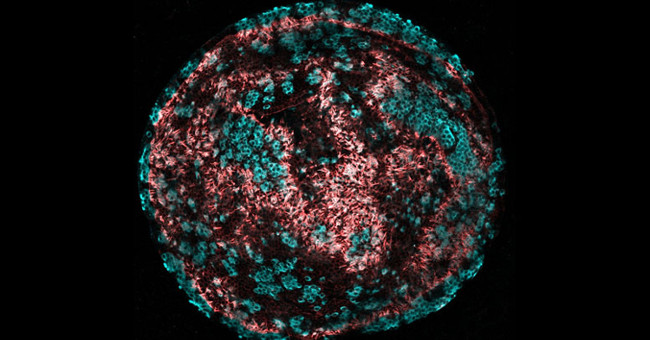
Researchers have developed a method to regenerate ear hair cells to help reverse hearing loss.

Many people around the world suffer from Meniere's syndrome. It is a disorder in the cochlea that causes tinnitus, dizziness, dizziness, nausea ...
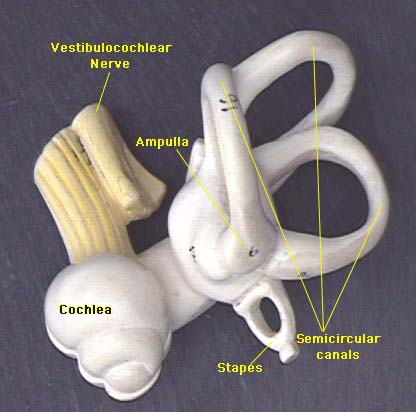
Researchers at Oregon's University of Science and Health have recently succeeded in producing functional hearing hair cells in the cochlea of the inner ear of mice.