New technology
Atom smasher creates new material
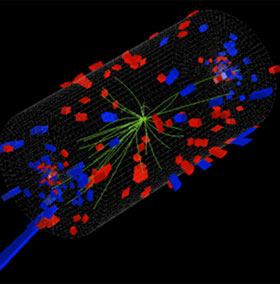
The collisions between the particles inside the atomic crusher machine called Large Particle Accelerator (LHC) seem to have created a new kind of material.
Browse ScienceInfo articles and explainers related to Collision.
417 published items.
The collisions between the particles inside the atomic crusher machine called Large Particle Accelerator (LHC) seem to have created a new kind of material.

On October 16, India successfully tested a new technology to help avoid train collisions. This is a turning point that can significantly reduce the number of train accid…
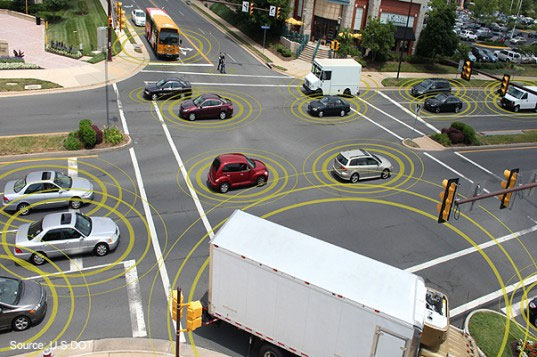
This is part of the $ 15 million 'Safe Driving' project, funded by the Michigan Transportation Research Institute. Ann Arbo aims to study the reactions of drivers and th…

This self-inflating seat belt is a combination of a normal seat belt with a protective cushion containing an airbag installed in the rear seats. Accordingly, the 'sa…
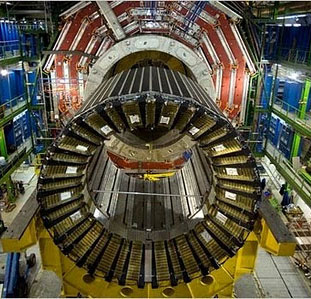
The Atlas particle detector, one of the LHC's giant detectors, has found a particle that physicists have been skeptical about for many years despite never having see…

Toyota has developed a safety system that automatically stops the car for a moment before a pedestrian collision occurs.
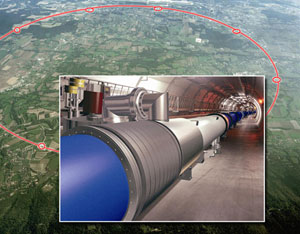
CERN has successfully conducted experiments with the LHC accelerator to decipher the mystery of the formation of the universe.

KCI, an American technology company has just launched a device to store information about the state of cars to serve after an accident investigation, like a black box fo…

Volvo car group is about to launch a car that can adjust the speed to maintain a fixed distance with the vehicle ahead in any situation.
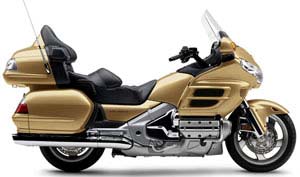
Safety goggles have been used in vehicles for accidental accidents, but with motorcycles, the use of airbags is a novelty. In the Federal Republic of Germany, umbrella a…

Ride on the road, you can not avoid collision. Parking in a certain place, you are not sure that no adversary will scratch or even concave a few places on the 'pet' car…
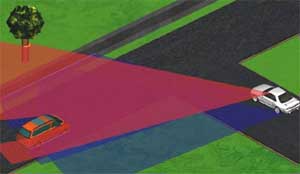
German researchers are developing a car that can predict shocks from the side and quickly change shape to absorb impact.