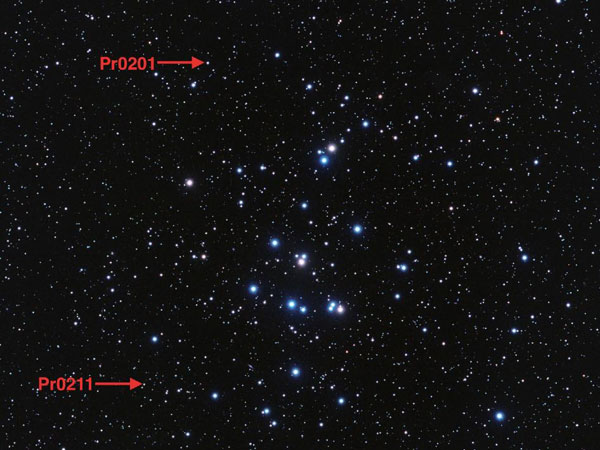
Space science
Detects two gas planets orbiting the star
The US space agency (NASA) on September 14 said scientists have for the first time found evidence that planets can form and exist around stars similar to the face. Heave…
Browse ScienceInfo articles and explainers related to Constellations.
41 published items.
The US space agency (NASA) on September 14 said scientists have for the first time found evidence that planets can form and exist around stars similar to the face. Heave…
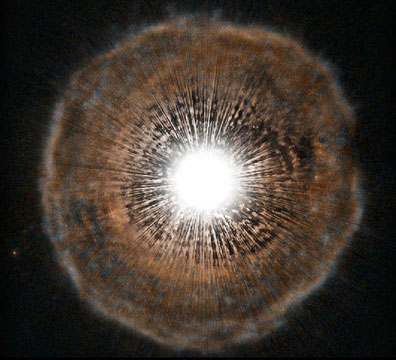
The star, known as U Camelopardis and in the constellation Camelopardalis (Giraffe), is in the final stage of life, the European Space Agency (ESA) said. Helium gas in i…

Many theories suggest that a black hole has a mass of millions to billions of solar masses due to the huge amount of gas, or in combination with other black holes. Howev…
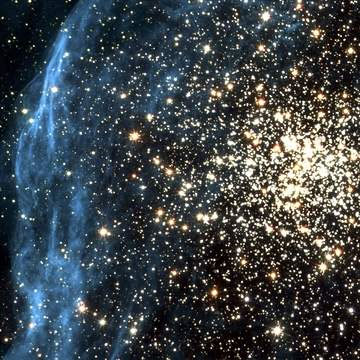
Our Milky Way series is surrounded by nearly 200 dense constellations, each with about one million stars on average. At the age of 13 billion years, these spherical cons…

American astronomers have discovered 18 new planets of the same size as Jupiter. They turn around stars larger than the sun.
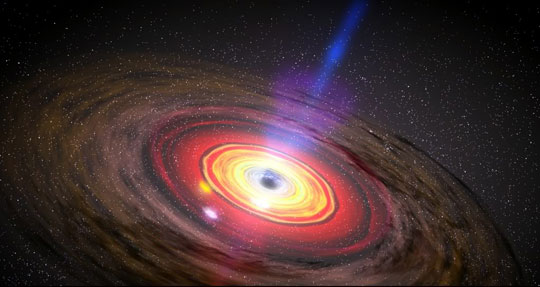
Scientists speculate that the X-ray object is most likely a neutron star or black hole tens of thousands of light years from Earth.
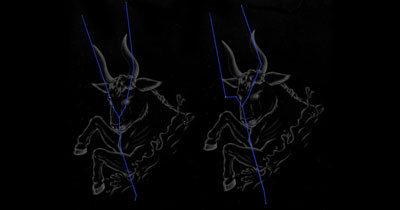
The sky in fact never stood still. Stars always move from one position to another according to the movement of the universe, galaxies and constellations.
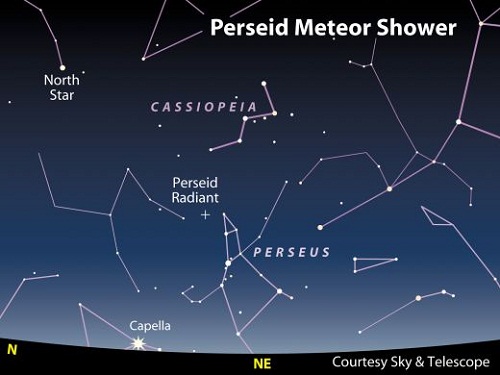
According to IMO (International Meteorological Organization), one of the biggest meteor showers in the year will reach the peak of the morning of August 13.

An X-ray observatory discovered a star exploding in the Milky Way, but observers have not noticed this event at all.
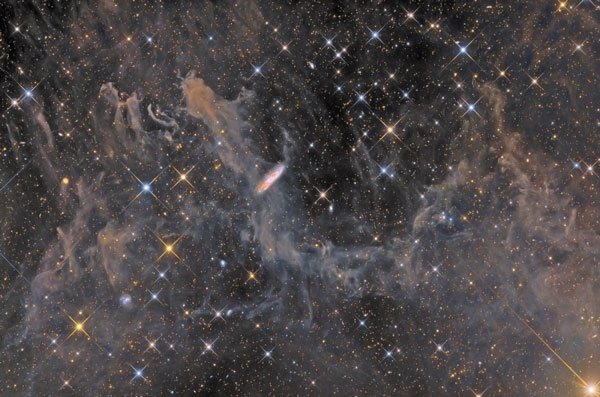
You can admire NASA photos of astronomy - space last week.
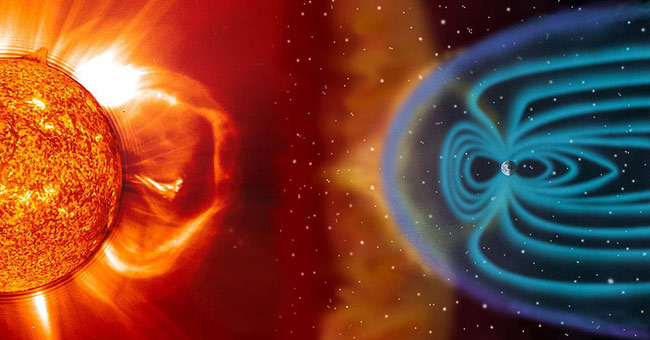
Interesting story about the process of scientists finding out the mysterious element of this universe, which somehow understands the difficulties they have to go through…