Space science
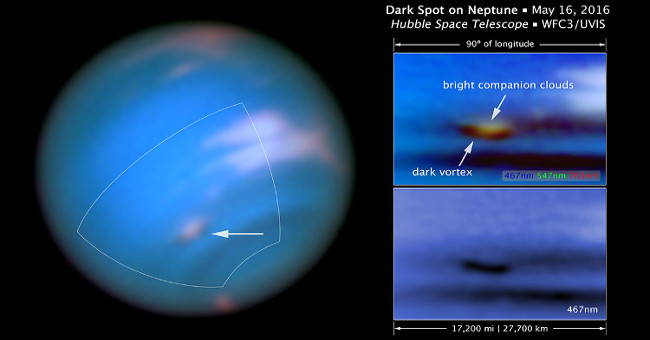
Giant hurricane on the star of the Neptune's sights on Hubble's sight
NASA's Hubble telescope has the opportunity to look over the surface of Neptune and discover a giant oval storm.
Browse ScienceInfo articles and explainers related to Dark.
721 published items.
NASA's Hubble telescope has the opportunity to look over the surface of Neptune and discover a giant oval storm.
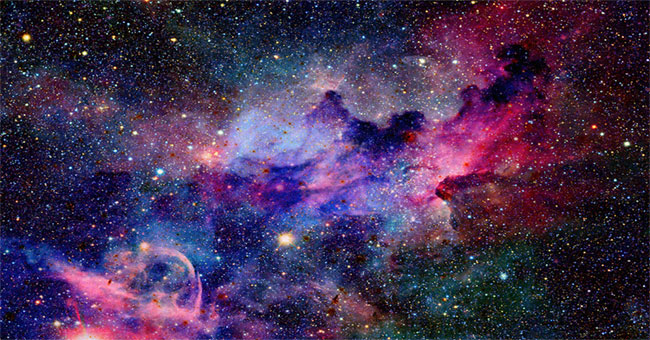
Recently, data from the Hubble Space Periscope has been used by aerospace experts, to analyze a phenomenon we can first observe
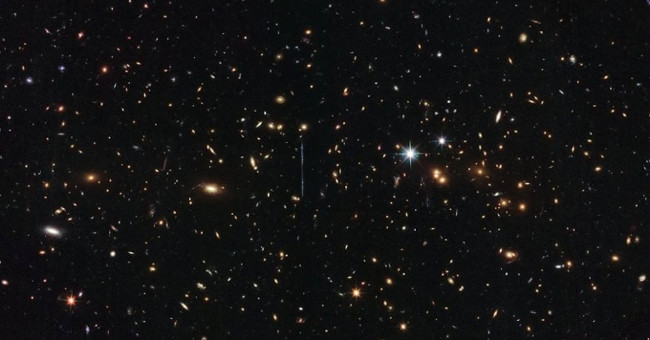
El Gordo in Spanish means
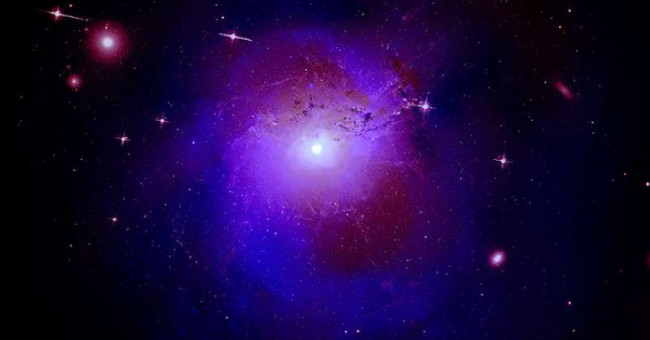
Dark matter is a strange material that does not emit light or energy, but it is thought to produce about 85% of matter in the universe.
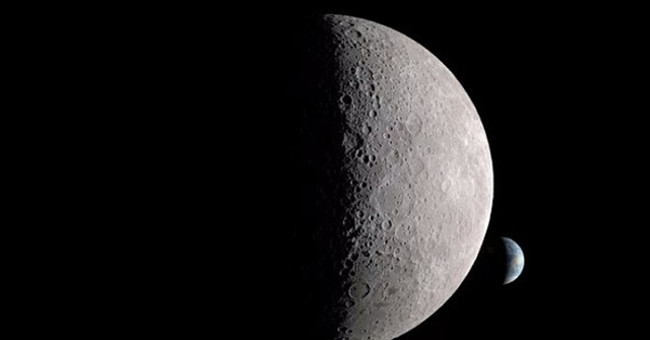
NASA experts recently published a picture showing the image
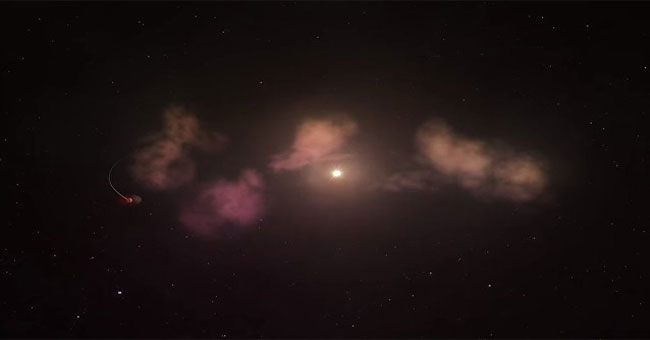
A group of American researchers believe that the star RZ Piscium, located 550 light years from Earth in the constellation Pisces, is capable of destroying small planets…
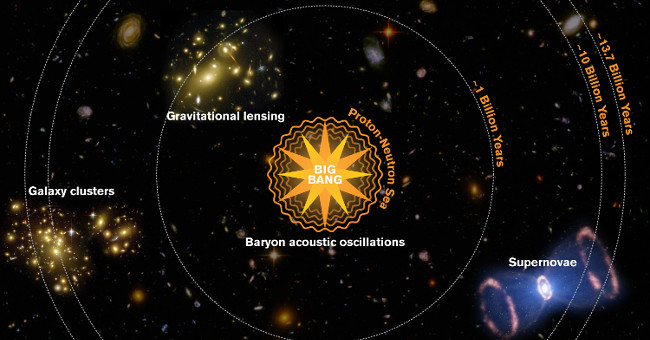
Dark matter was first discovered in 1933, when scientists believed that limiting to visible matter could not explain the movement of stars and galaxies.
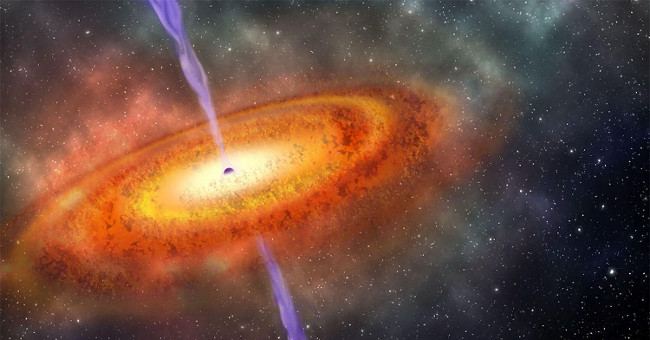
The discovery of a massive black hole, 13.1 billion light-years away from us, is revealing to scientists many things about the early universe.
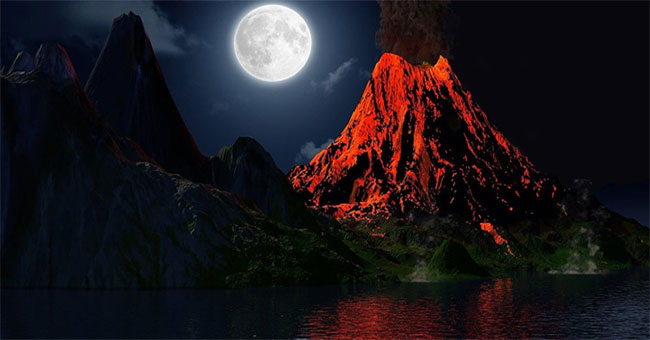
Sputnik (Russia) quoted Chinese space industry officials as saying that the robot station could be a more complex and experimental site.
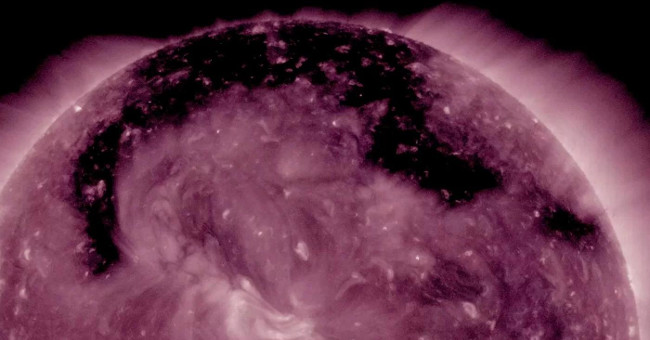
NASA has just discovered a huge dark area on the Sun's atmosphere. Images recorded by NASA's Solar Observatory on November 8 and November 20.
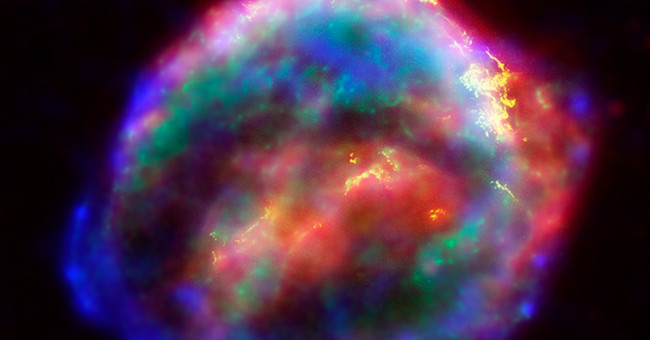
This new finding is expected to help scientists come closer to discovering light in invisible dark matter in the vast universe.
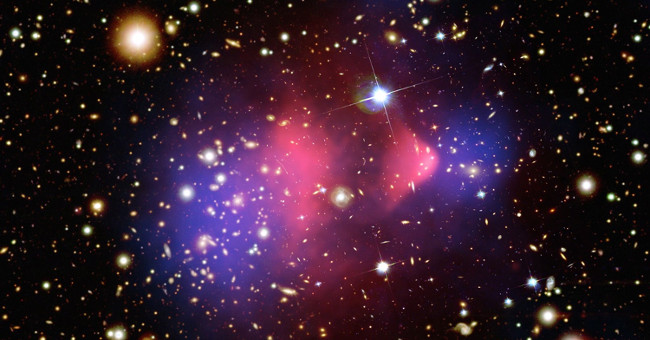
For almost a century, researchers have assumed that the universe contained more matter than was directly observed.
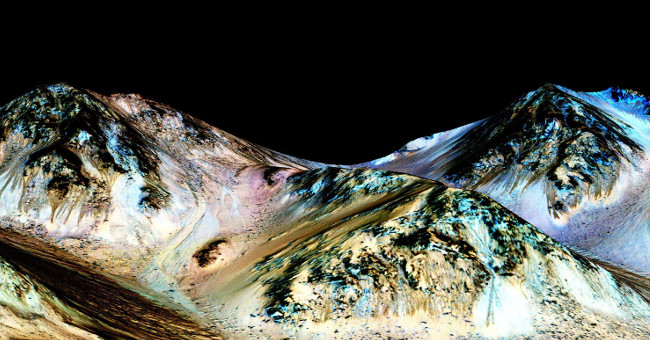
Dark lines on Mars are merely a sign of flowing sand or dust in an article published in the November 20 issue of Nature Geoscience.
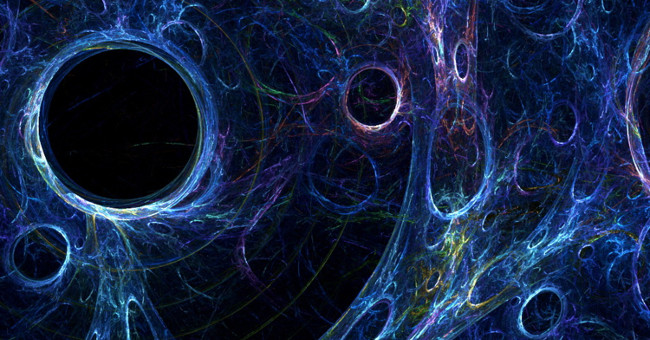
Scientists at the Johannes Gutenberg Mainz University (JGU), Germany, propose a new theory of the formation of dark matter right after the universe was born.
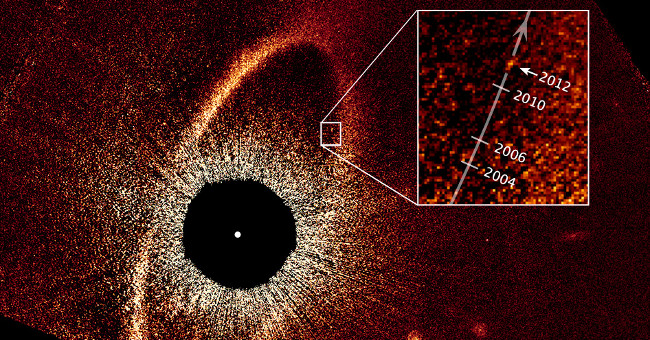
The universe is full of bizarre, frightening phenomena, from stars that can drain your life to the giant black holes that are billions of times more massive than our Sun.