Space science
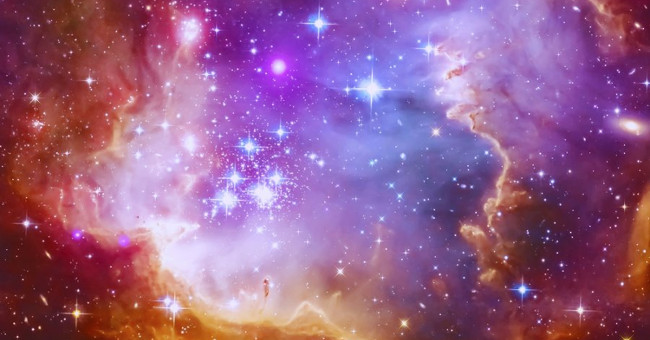
Things you didn't know about the Nebula
The nebula is a celestial body in the form of cloudy clouds consisting of stellar gas and cosmic dust. The proportion of matter in the nebula very low. If measured by th…
Browse ScienceInfo articles and explainers related to Dark.
721 published items.
The nebula is a celestial body in the form of cloudy clouds consisting of stellar gas and cosmic dust. The proportion of matter in the nebula very low. If measured by th…

China claims to realize its plan to become the first country in the world to safely land a probe into the lunar (dark) surface of the Moon in 2018.
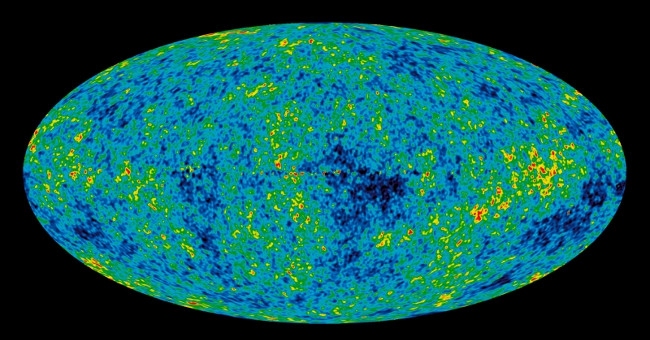
After much research, scientists have for the first time accurately measured the amount of dark matter that is disappearing on Earth.
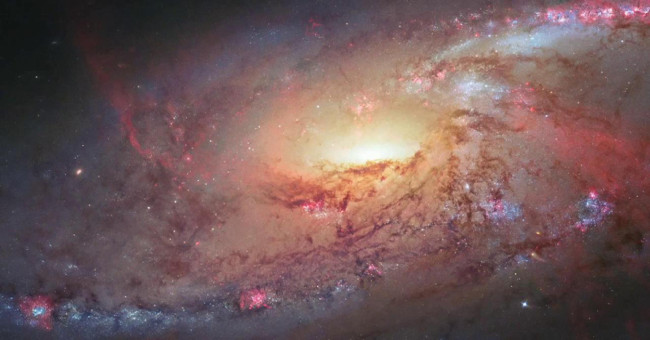
A controversial new theory about gravity has passed the first test. If success continues, this hypothesis will completely replace the current physics.
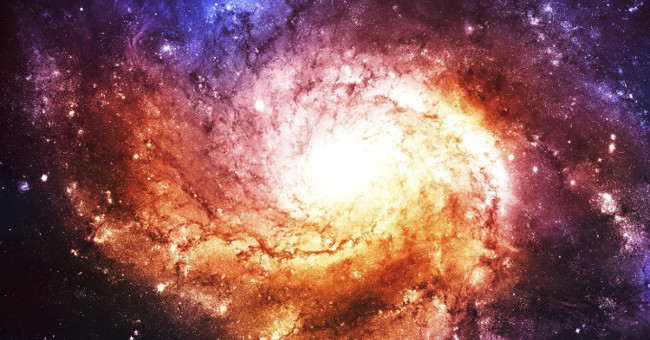
Cosmological models that point to the universe will end in a scenario
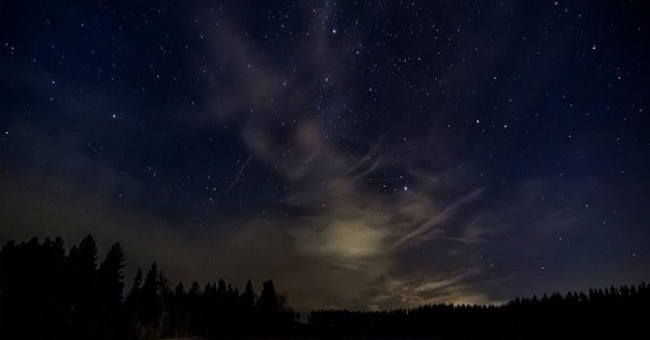
The hypothesis that 200 years ago explained the cause of the dark sky at night is because hydrogen clouds prevent light from the countless stars being proved to be accur…

American billionaire Elon Musk dreams of bringing people to Mars, but still hesitates, because there are too many potential dangers to avoid.
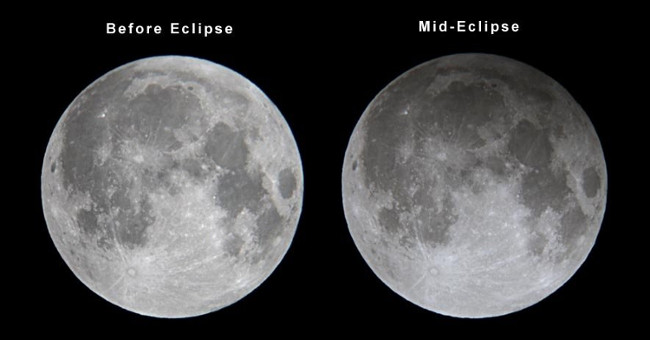
From midnight on September 17, in Vietnam, the phenomenon of half-dark eclipse will be observed. Moon half-moon only makes the moon a little dimmer, very difficult to se…
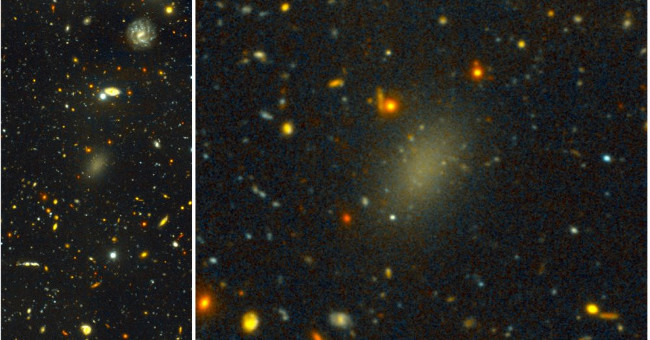
Close in size to the galaxy Milky Way, another strange galaxy known as the universe's most spooky galaxy with no-one features.
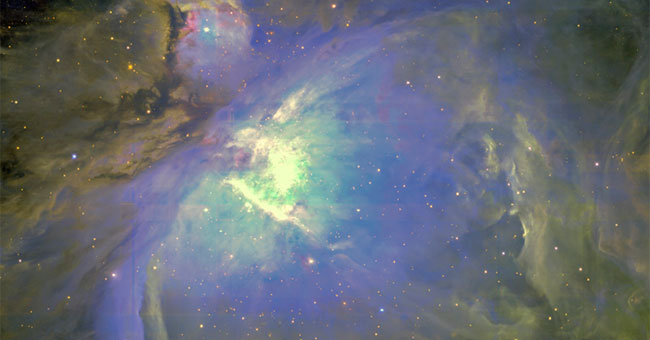
The Dark Energy Survey Project helps to shorten the search time and planet X can be accurately located at the end of this summer.
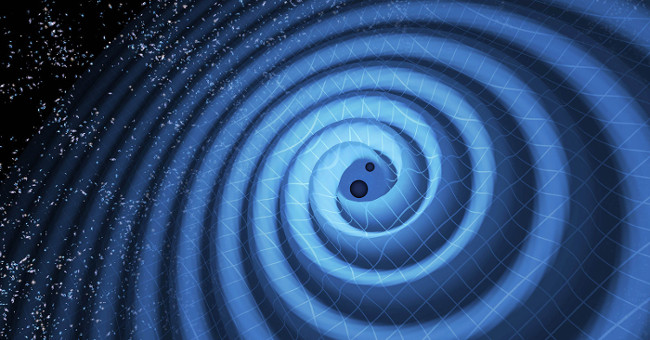
Did scientists discover dark matter, one of the mysteries of the universe?
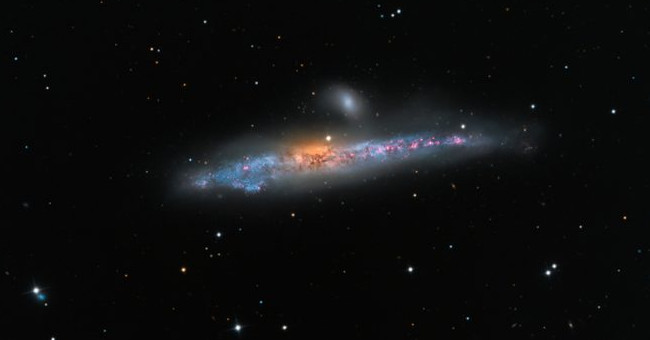
A space whale-like image appeared in the telescope tube that shocked the scientific world.
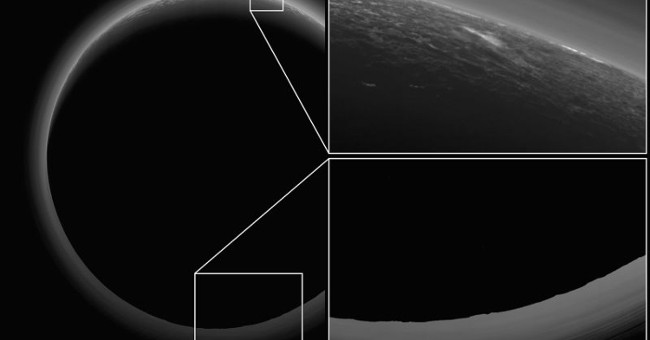
Image data of the latest Pluto analysis has just been announced by NASA. In this picture, it is seen that a thin cloud envelops the dwarf planet's atmosphere.
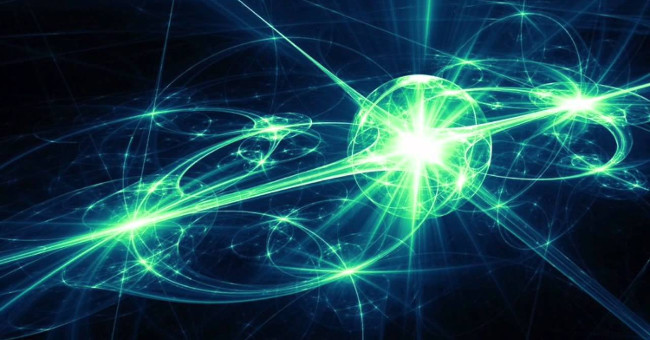
This promises to be a breakthrough discovery, helping us to explain many of the mysteries of the universe including dark matter.
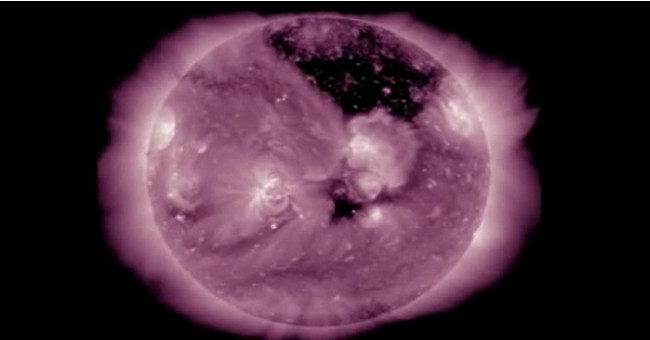
The satellite of the US Aeronautics and Space Administration (NASA) captures the image of a dark Japanese hole near the polar region of the Sun.