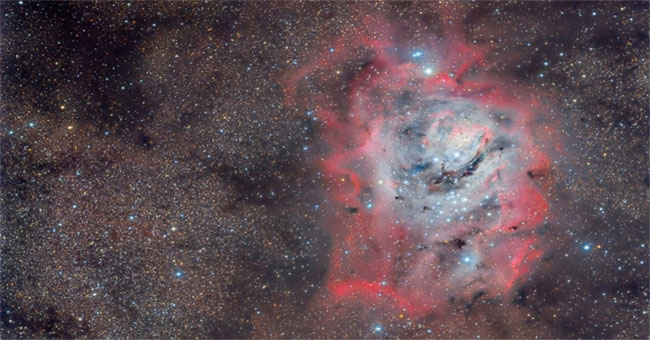
Space science
The universe is expanding faster than challenging Einstein's theory of relativity
The universe is expanding 10% faster than previously anticipated, questioning whether Albert Einstein's relativity theory is accurate or not?
Browse ScienceInfo articles and explainers related to Dark.
721 published items.
The universe is expanding 10% faster than previously anticipated, questioning whether Albert Einstein's relativity theory is accurate or not?

This material hiding place has been revealed, and the efforts of two completely separate research teams have to be worked out.
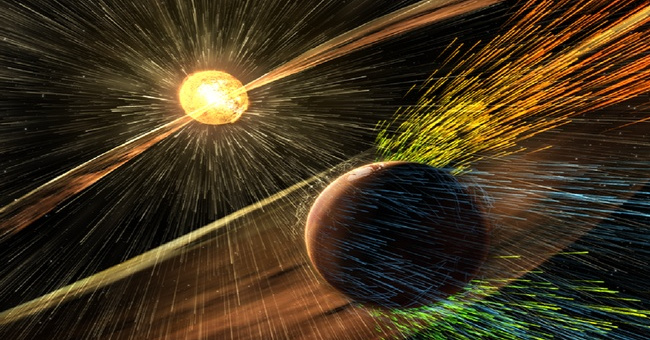
There are still a lot of cosmic mysteries that hurt astrophysicists: what's inside the black hole, dark matter, the end of the universe ...

This image has taken us beyond anticipation, dark matter has now become something visible and measurable.
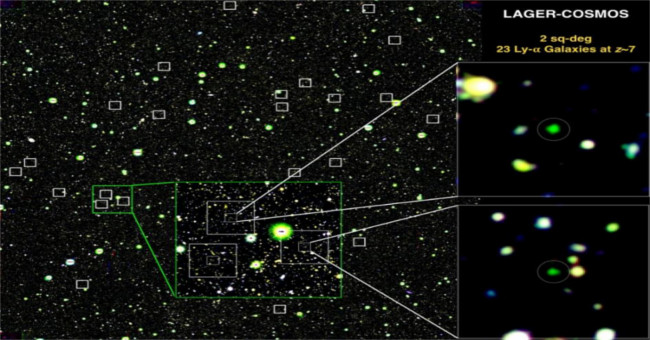
According to researchers, about 300,000 years after the Big Bang, the universe is dark and filled with neutral hydrogen gas. The first galaxies and stars began to appear…
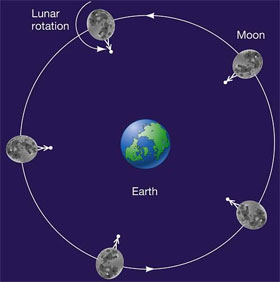
The moon is the only natural satellite of the Earth and is also the only planet in which humans once set foot.
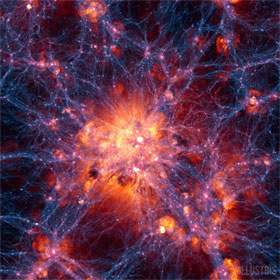
British scientists believe that a completely new elementary particle can explain the mystery
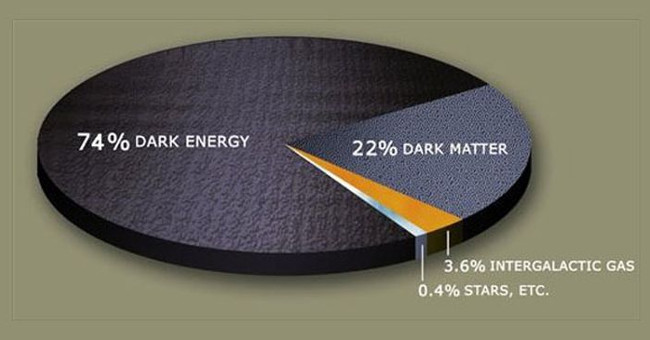
Dark energy is said to account for 68% of the universe, while dark matter accounts for about 27%. The rest includes everything on Earth, all we can observe, accounting f…

Traveling to places thousands of miles from Earth, immersing yourself in the dark space of the universe, will there ever be astronauts rewarding themselves with a cockta…
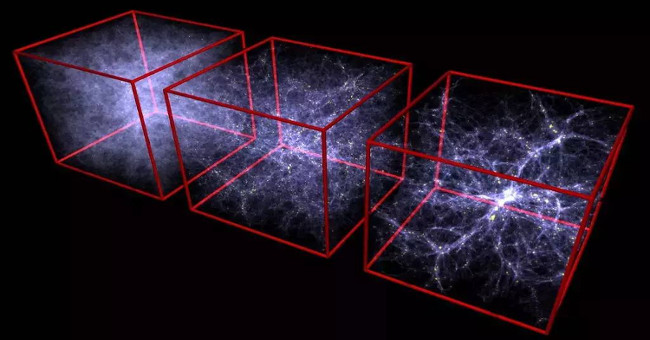
Hungarian scientists prove that mysterious dark energy accounting for 68% of the universe may not exist.
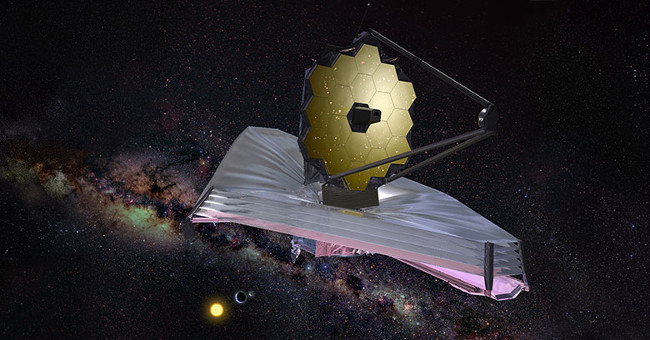
The photo taken by a NASA photographer impressed many people with ghost-like white shadows above the James Webb telescope.
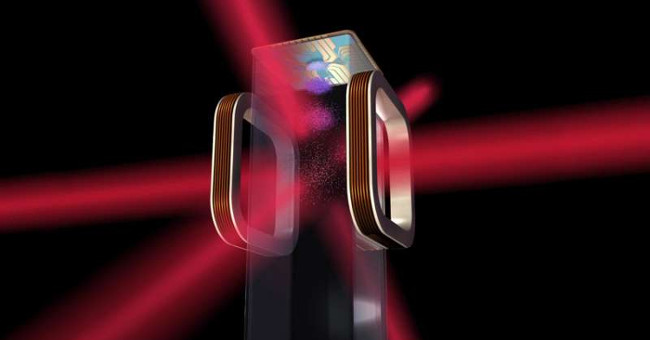
NASA plans to bring a device to the ISS station to create a 100 million times more cold space than space.
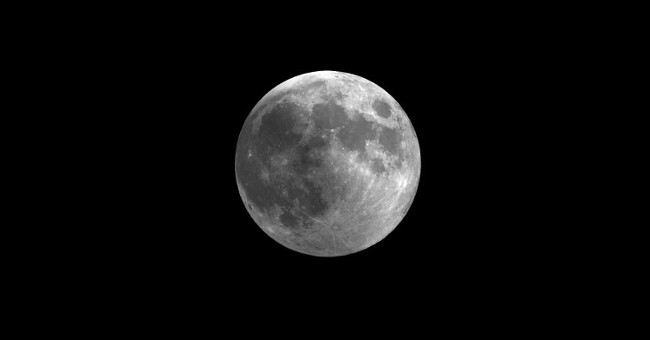
The eclectic eclipse is about to take place around the world and Vietnamese people will have the opportunity to observe in the dawn of February 11.
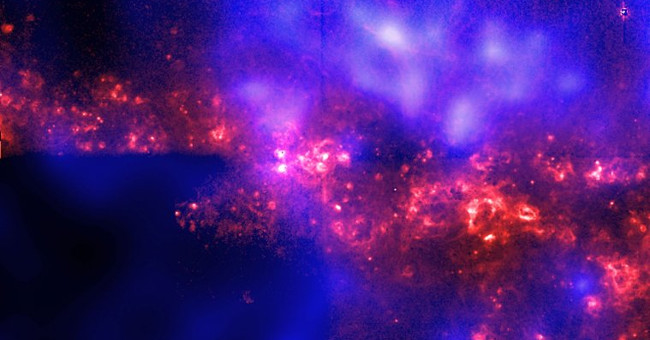
A mysterious space is pushing the Milky Way to move in the universe at more than 2 million km / h.

According to Canadian scientists, the Milky Way has a mass of about 400 to 580 billion solar masses.