Archeology
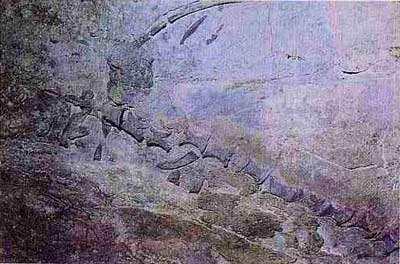
Vertebrate fossil in central Triassic limestone in Vietnam
Fossils show up on the thin, dark gray limestone cliffs of the Dong Giao Formation, the age of Trias T2. The exposed part of the fossil is a 70cm long spine of 18 verteb…
Browse ScienceInfo articles and explainers related to Dark.
721 published items.
Fossils show up on the thin, dark gray limestone cliffs of the Dong Giao Formation, the age of Trias T2. The exposed part of the fossil is a 70cm long spine of 18 verteb…

In the morning of December 8, China launched missiles to space on the spacecraft to perform the task of exploring the dark areas of the Moon.
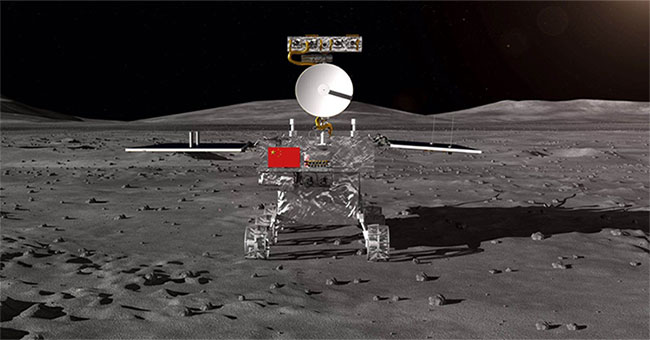
On August 15, China announced images of lander and self-propelled vehicles serving the Hang Nga-4 project - expected to land in the dark areas of the Moon this year.
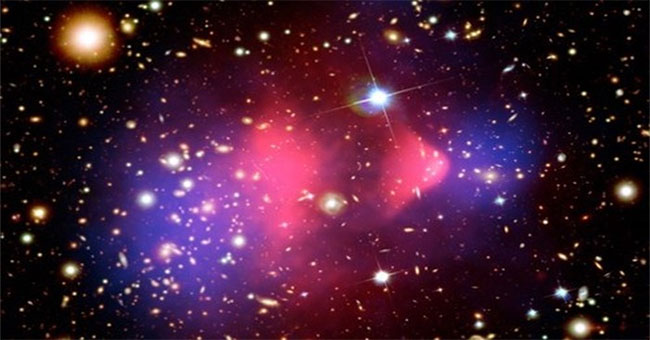
Using one of the fastest supercomputers in the world, scientists have simulated the mysterious distribution of matter in galaxies.
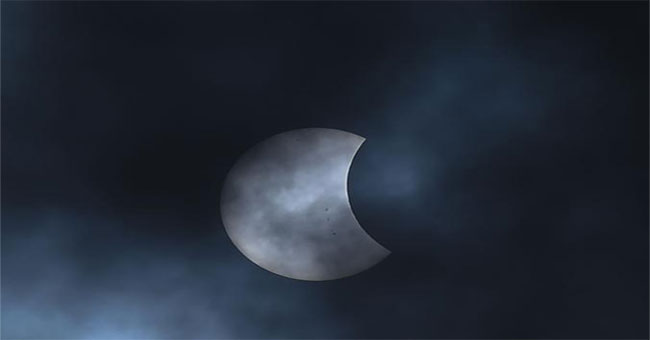
According to National Geographic, on Friday the 13th, a partial solar eclipse will appear in the sky and can be observed from the southeast coast of Australia, Tasmania…

The warp engine - Warp drive is an imaginary spacecraft propulsion that allows us to travel faster than light (FTL - faster-than-light), most notably in the Star Trek se…

On the morning of May 21, China launched the O Thuoc Bridge communication satellite to orbit, to connect the communication between the ground control station and Hang Ng…
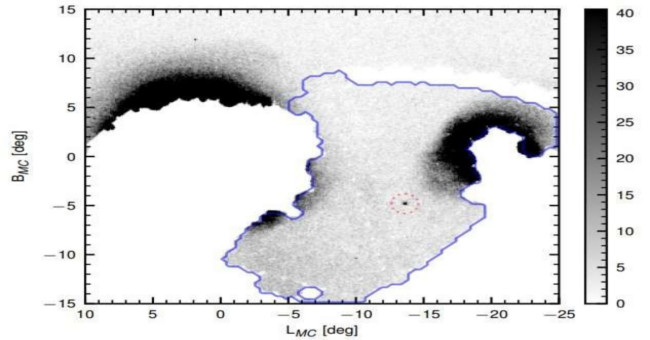
The study shows that the Hydrus 1 galaxy is elliptical and light, located about 90,000 light-years from the sun and about 78,000 light-years from the LMC Cloud.
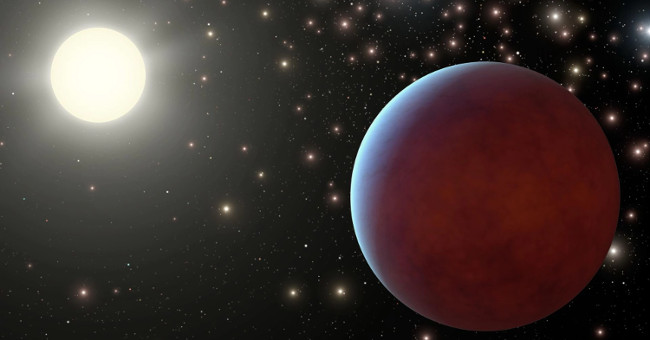
WASP-104b may be the darkest planet ever discovered. The planet of this hot Jupiter is covered by a mist that absorbs 97 - 99% of the light reaching the surface.
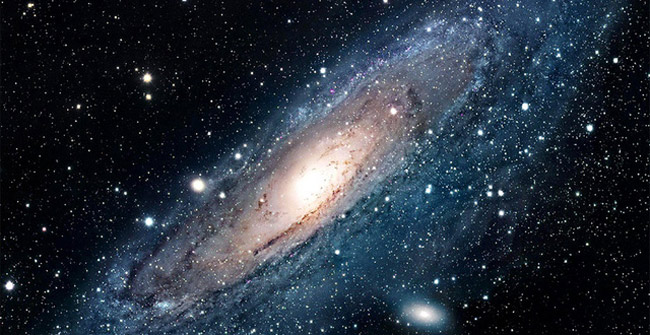
Now scientists have had an extraordinarily powerful tool that enables them to directly observe the mysteries of the universe ...
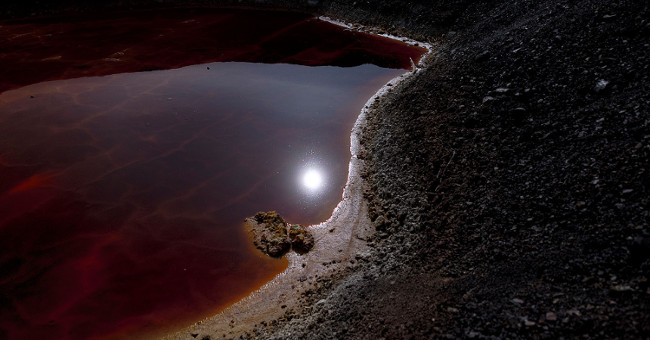
This image shows a strange image of the full moon, reminiscent of a typical scene simulation image like Mars.
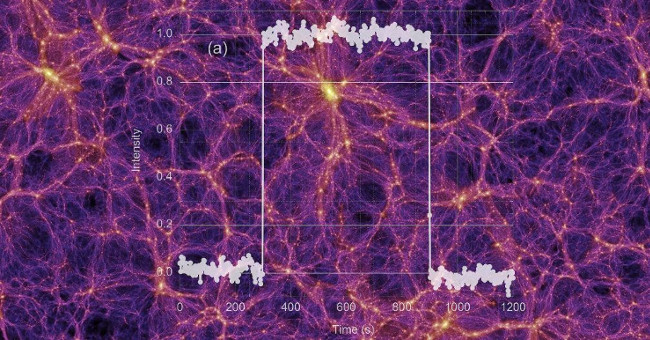
The new discovery is expected to be able to detect dark matter smaller than any previously discovered particle.
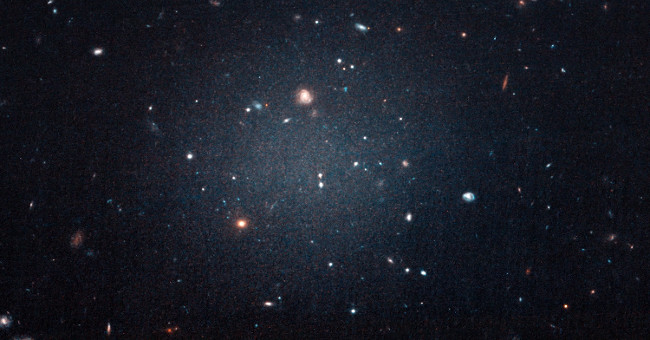
This galaxy is called NGC1052-DF2, 65 million light years from our earth.
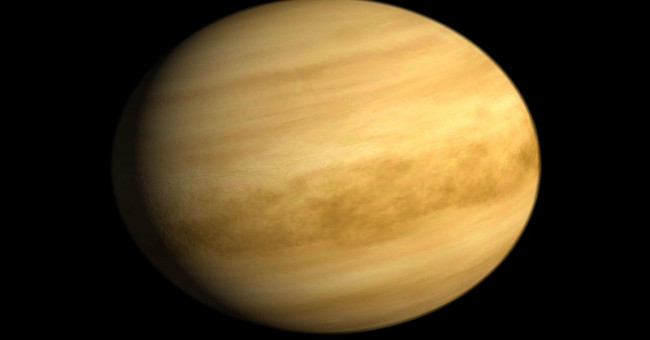
A new study shows that clouds on Venus are capable of containing alien microorganisms, Newsweek reported on April 2.