Animal world
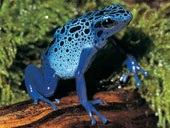
A species of 'deaf ear frog' was discovered in Ecuador
Researchers from the University of Ecuador's Christian University have discovered a new frog, which has a particularly noisy sound and grows in tropical forests.
Browse ScienceInfo articles and explainers related to Deaf.
51 published items.
Researchers from the University of Ecuador's Christian University have discovered a new frog, which has a particularly noisy sound and grows in tropical forests.

Currently, gloves translate symbols for deaf and dumb people to translate 24 alphanumeric symbols, translating 10 counts.
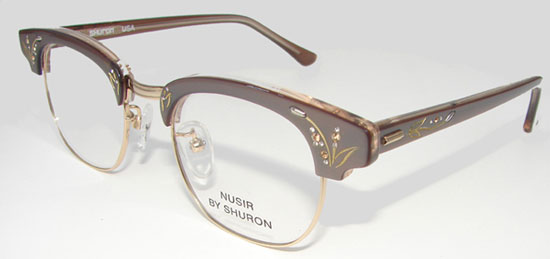
Recently Sony (based in the UK), has released eyeglasses capable of displaying the subtitles of movies shown on television.

Product 'Communication dictionary of deaf people' of Vietnam won the Gold Cup of Asia-Pacific Information Technology - Communication Award (APICTA)

Once thought to be deaf, parents want to bomb Martian nuclear or consider AI to be the biggest enemy of humankind, some of the unusual things about Elon Musk.

When studying Bethoven's hair with the most advanced methods, scientists determined that the amount of lead in hair was 100 times higher than the safety limit.
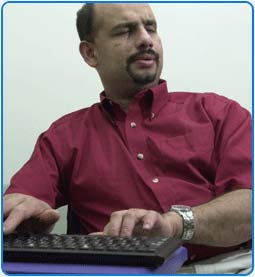
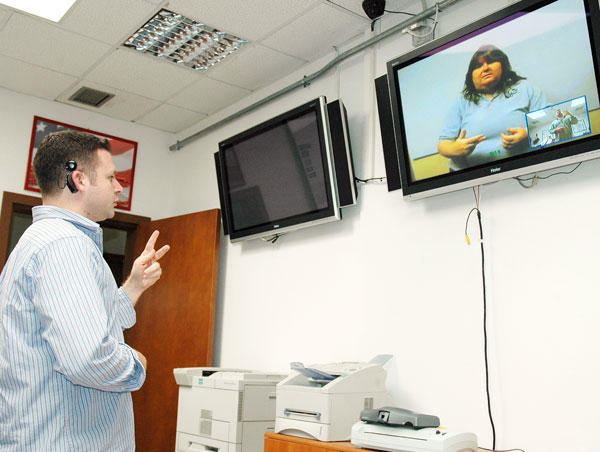
Technology is changing day by day, even hourly. But no one thinks some of the top 2006 technology innovations belong to deaf and visually impaired people. One of those p…

According to a recent audiologist, it seems that we - especially young people - still have not anticipated the harmful effects of this action.

American scientists advise passengers to set an alarm when sleeping on an airplane and make sure you are fully awake when it starts landing.

An international team of scientists on February 6 said gene therapy using a benign virus helped deaf ears hear sounds around them.

Focusing your sight on a mobile device screen may prevent you from hearing sound warnings.

US researchers say resveratrol, the substance found in red grapes and red wine, works against hearing and cognitive decline, according to UPI news agency.
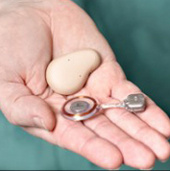
Functional deaf patients can restore normal hearing with new implants to replace the middle ear.

The results of a team of scientists from the University of Sheffield (UK) showed that they have achieved important steps in using human embryonic stem cells to cure deaf…
The new study, published in The Journal of Neuroscience, shows that deaf people use the so-called