Medicine - Health
Detection of genes that can control HIV
Scientists have discovered a new gene, able to control incurable diseases such as HIV, hepatitis and tuberculosis.
Browse ScienceInfo articles and explainers related to Detection.
672 published items.
Scientists have discovered a new gene, able to control incurable diseases such as HIV, hepatitis and tuberculosis.
Current science suggests that all cells in the body contain identical DNA. However, a new study of skin stem cells has found that genetic variation is widespread in the…

A new study on elderly people said that feel-good hormone (a hormone that makes you happy) helps to recall memory.
According to a new study, if you look old, your heart can

A simple phone call can also help us record the first signs of Parkinson's disease by detecting minor changes in the patient's voice several years before more severe sym…
Researchers at the University of California, San Francisco, USA, said dengue has killed two people in the Democratic Republic of Congo in 2009 and seriously sick the thi…

German scientists found that in the brain golden macaques (macaca) have neuron (neurons) only in humans, monkeys in humans, whales and elephants, related to self-awarene…

According to a study published in the American Journal of Clinical Oncology, Duke Cancer Institute researchers have recently discovered a blood enzyme that may help dete…

Scientists at the British Cancer Research Center (CRUK) announced on July 2 that a protein, a dangerous agent that causes tumors in the palate, has been discovered. Acco…

Early detection of abnormalities in blood vessels in the eyes can save the lives of people with heart disease. There are many ways to detect heart disease, but a recent…

Sinusitis is a relatively common disease related to the respiratory tract but should not be treated with antibiotics, because the drug does not work with the virus.

According to a reflex study, scientists have accidentally discovered that women who end the ovulation period will find a better snake.

A rabies virus from civets has been discovered by scientists at Glasgow University and the British Veterinary Experimental Agency.

The ovaries of women have the ability to produce new eggs in the reproductive age, according to a study published in Nature Medicine.
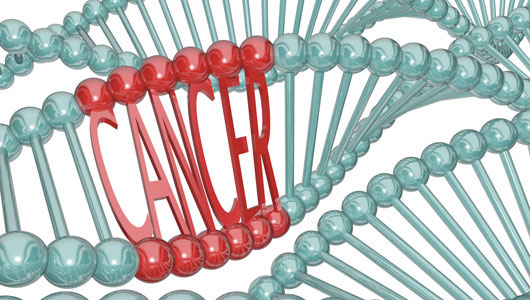
New research by Finnish scientists said they identified a new gene that could increase the risk of breast cancer.