Medicine - Health
Detection of new dangerous influenza viruses
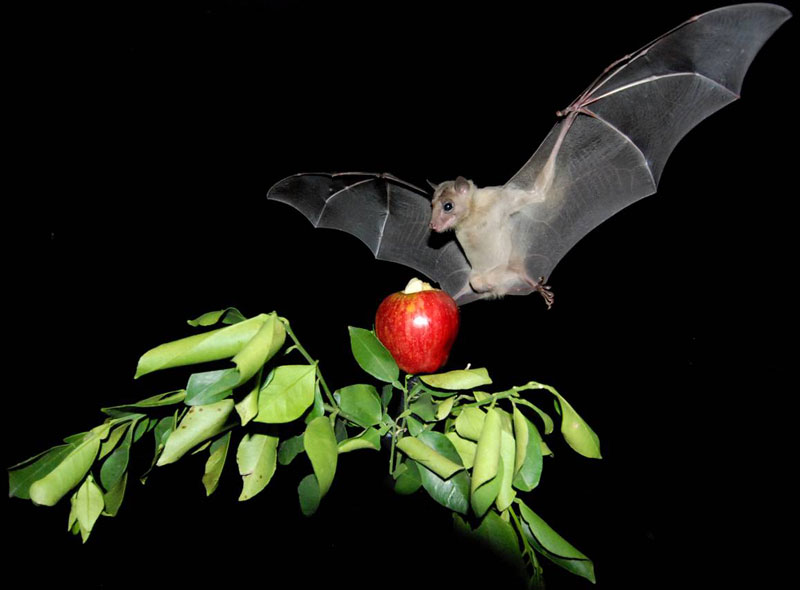
A new strain of influenza A virus has just been discovered in bats, although the strain is not yet dangerous to humans, US health officials have said.
Browse ScienceInfo articles and explainers related to Detection.
672 published items.
A new strain of influenza A virus has just been discovered in bats, although the strain is not yet dangerous to humans, US health officials have said.
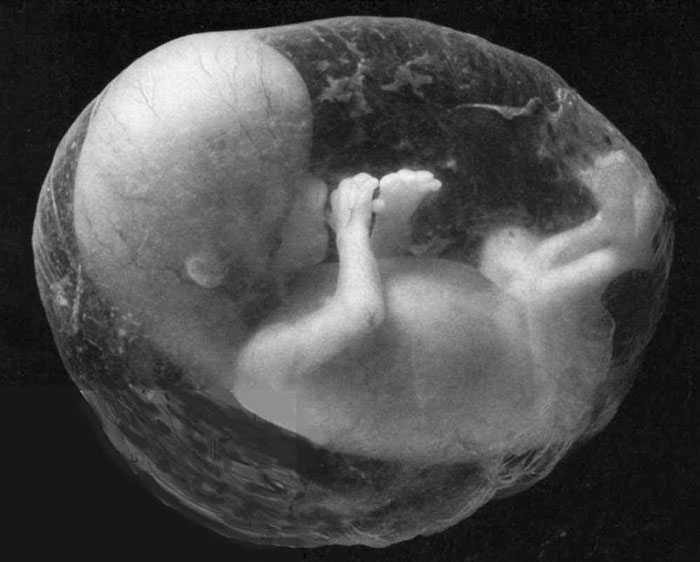
Korean scientists have successfully developed the method of detecting fetal sex at 5 weeks old.

The China Quality Supervision Agency has detected a high content of aflatoxin (increasing the risk of cancer) in the milk product of Mengniu Dairy Group (China).

The molecules present in the body of Wallaby (kangaroos) and young platypus are considered highly effective in destroying a range of multi-drug resistant bacteria.
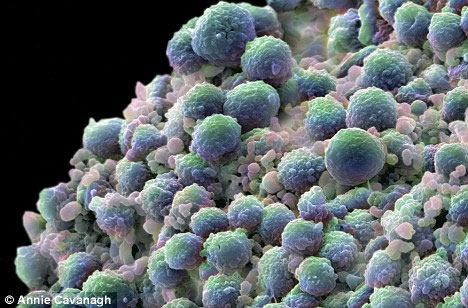
Scientists from the British Medical Research Council have discovered that a gene can control the development and spread of prostate cancer cells.
Biochemists at Emory University School of Medicine, USA, have identified the Lsb2 protein in yeast that can promote spontaneous prion formation. This protein is unstable…

Research on caffeine detection in coffee can only improve performance for jobs that do not need abstract thinking.
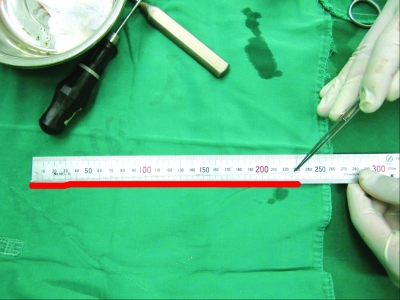
Removing a parasite worm in someone's brain seems like it's only in the movie, but it actually happens in Jiangsu Province, China.
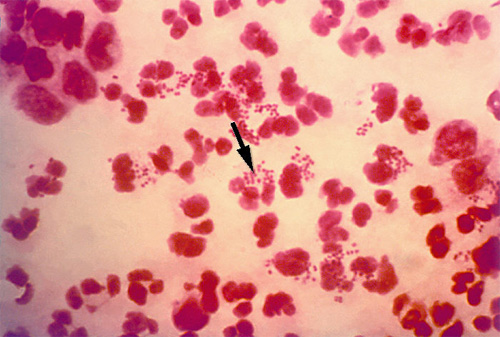
Scientists have discovered a new strain of bacteria that causes gonorrhea, which is resistant to all antibiotics. This virus can be a threat to global health.
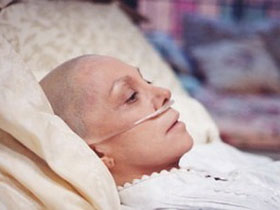
Scientists say the order of genetic modification in cancer cells is the key to early diagnosis and identification of drugs that specifically treat this disease.
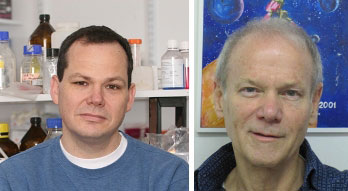
Researchers working at Hebrew University, Jerusalem, Israel, have discovered: The mechanism of cancer cell development, this new discovery can help detect and treat canc…
Hepatitis B virus is one of the most common infectious diseases in the world and is one of the highly fatal diseases.

According to Loughborough University's latest research, body odor is also one of the criteria that reflects one's health status.

US scientists have discovered five human gene variants, including four new gene variants, linked to non-alcoholic fatty liver disease (NAFLD).

Sleepwalking may be hereditary. This is the conclusion of scientists from Washington University (USA).