Medicine - Health
Find the secret why cancer cells are resistant to drugs
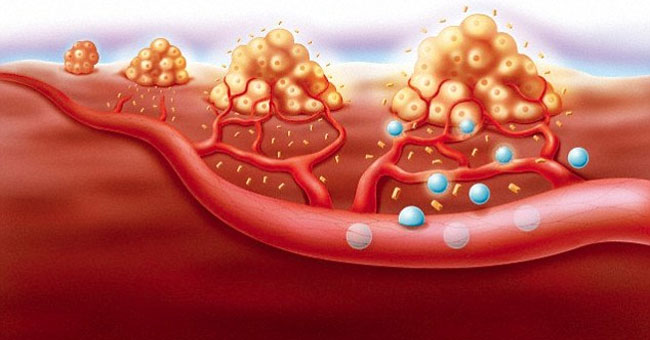
Cancer is difficult to treat because it is immortal cells, constantly proliferating, forming tumors that invade our entire body.
Browse ScienceInfo articles and explainers related to Difficult.
584 published items.
Cancer is difficult to treat because it is immortal cells, constantly proliferating, forming tumors that invade our entire body.

According to experts, if the sex of the child is difficult to identify due to developmental disorders, it is best for parents to wait, should not immediately operate to…

International scientists warn Zika virus causes brain atrophy hidden deep in the body parts that the immune system cannot scan, so it is more dangerous and difficult to…

Every morning when you wake up, you may feel tired and tired, making your life and work difficult. So what to do to fix that? What do you do to have a healthy, energetic…

We all have to step into the room to find something, but we forget what we are looking for.

Nothing is as comfortable as ... timely, but why is this comfort so difficult every time I travel?

The messy bedroom, shift work, overeating at night ... are unexpected causes that interrupt night sleep, making it difficult for you to fall asleep.

In many cases, applying stones when injured makes it difficult for blood to circulate, making the recovery process long and ineffective.

Some clean-minded people may find it difficult to always cut their nails. However, have you ever wondered how long our nails can be?

Body odor is a difficult issue for many people. How do you always smell good without smell

Many parents are subjective when they see a little cough, no fever, eat normally and buy antibiotic treatment. However, many babies after 1 day have progressed to pneumo…
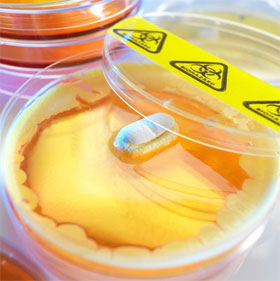
US researchers have discovered a type of super antibiotic capable of removing most pathogens, from staphylococcus aureus to bacteria, hidden in the soil.
Harvard University geneticist David Liu and his research group are developing a new technique, using specialized proteins to modify the genomes of living animals.

The 73-year-old patient, diagnosed by a doctor as difficult to pass, miraculously recovered after seeing his pet dog again.

This is a warning from Professor Peter Piot, one of the scientists who discovered the Ebola virus for the first time since 1976.