New technology
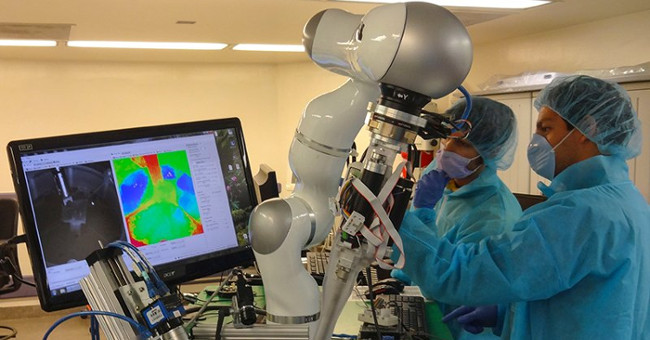
Robots have better surgical capabilities than doctors
Millions of people around the world are undergoing annual surgery. Many of them unfortunately suffered from complications, sometimes because the surgeon made a mistake.
Browse ScienceInfo articles and explainers related to Doctor.
1,208 published items.
Millions of people around the world are undergoing annual surgery. Many of them unfortunately suffered from complications, sometimes because the surgeon made a mistake.

New magnifiers have been discovered by early scientists to detect cervical cancer early.
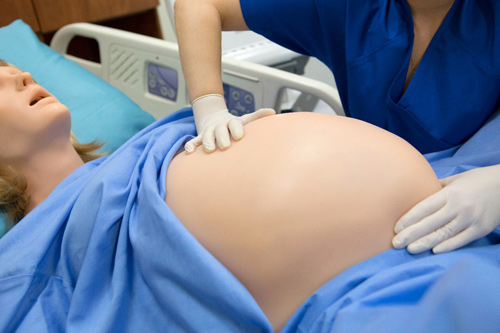
In the manufacturing plant on the southern edge of Miami, Florida, the engineers are researching and modeling pregnant women, an important medical tool.
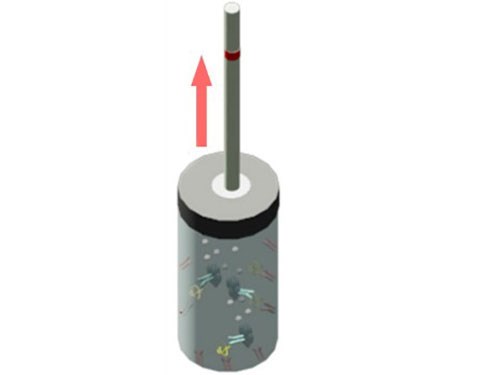
Korean scientists have developed a simple thermometer-like device that can help doctors diagnose low-cost myocardial infarction.
For the first time in medical history, doctors at Stellenbosch University and Tygerberg Hospital (South Africa) have announced successful penile implants.
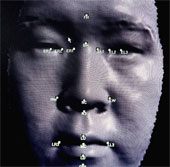
Through facial recognition software, doctors diagnose rare genetic disorders.

Illumina, a technology research firm, has announced that it is developing a chip that can be integrated into smartphones and allows smartphones to read your genetic info…

Scientists from the University of Nebraska, USA, and NASA have successfully developed the robotic remote control robot model, which can perform surgery in a non-gravitat…

In the near future, doctors may only need 10 minutes to identify a patient with dengue fever.

Less Invasive Surgery is becoming increasingly popular although there are some limitations to this approach.

A new application on the smartphone scans the patient's retina and sends images to doctors for remote diagnosis.
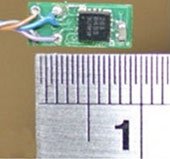
Getting rid of bad habits, like smoking, or dieting on the advice of the doctor, all can be done thanks to the new sensor inserted into the teeth.
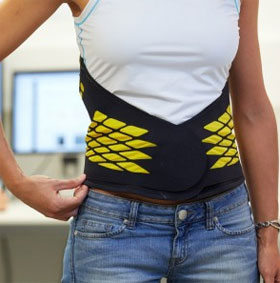
Back pain affects 80% of the population, both young and old, regardless of the time of illness.
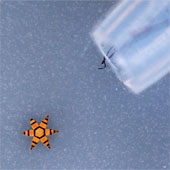
When taking a tissue sample for medical diagnosis, doctors often experience limitations because they have to use bulky and easily invasive clips.
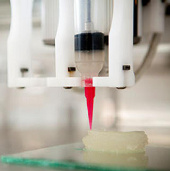
Bio engineers and doctors at Cornell have created an artificial ear using 3D printing techniques and injection molds - this ear looks and acts like a natural ear.