
Discover science
What Is Wave-Particle Duality?
Wave-particle duality describes how quantum objects such as photons and electrons can produce wave-like interference in some experiments while being detected as discrete…
Browse ScienceInfo articles and explainers related to Electron.
189 published items.
Wave-particle duality describes how quantum objects such as photons and electrons can produce wave-like interference in some experiments while being detected as discrete…
Batteries store energy in chemical form and release electrical energy when reactions drive electrons through an external circuit and ions through an electrolyte.
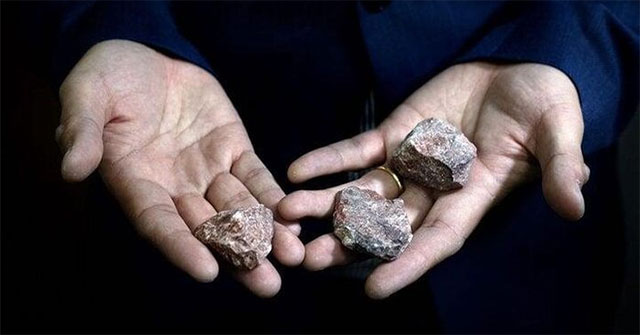
Calcium magnesium carbonate, chemical formula CaMg(CO3)2, accounts for about 2% of the Earth's crust and takes hundreds of millions of years to form naturally.
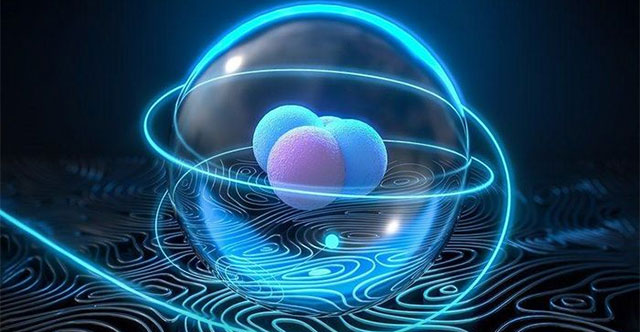
Helium is a simple element on the periodic table, named after the sun god. Yet modern theory and experiments on it have produced puzzlingly different results.

If proven experimentally, this would be another confirmation of Einstein's famous formula.
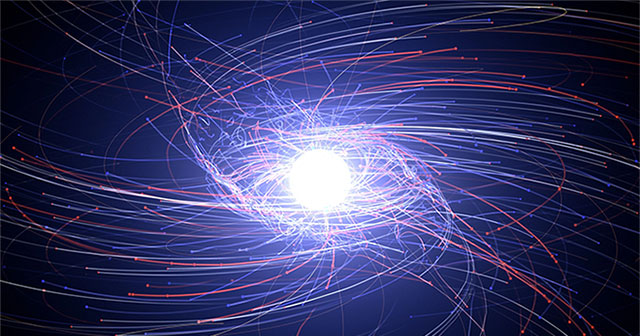
Does antimatter really exist? How powerful is antimatter? Is antimatter expensive, how much is it worth?
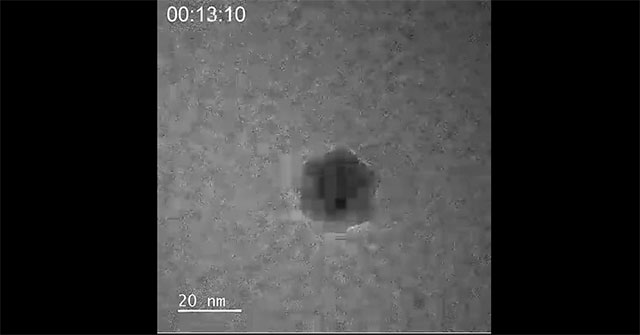
Thanks to a new technique, scientists have directly observed nano-sized water bubbles forming with a palladium metal catalyst for the first time.
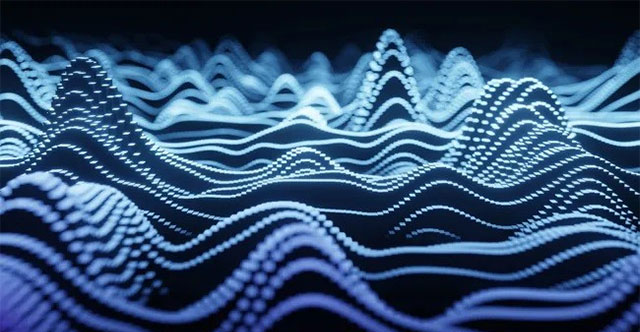
Researchers have used this novel method to capture electrons to power commercial thermometers.
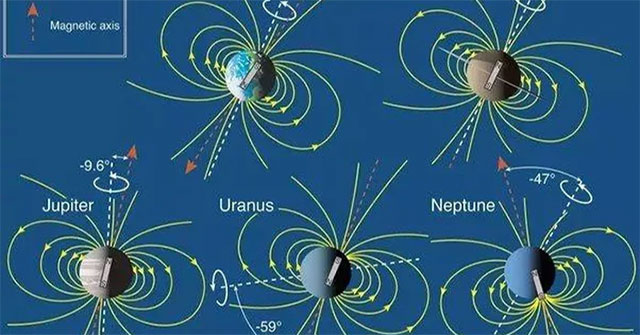
One of the strangest things about Uranus and Neptune is their magnetic fields.
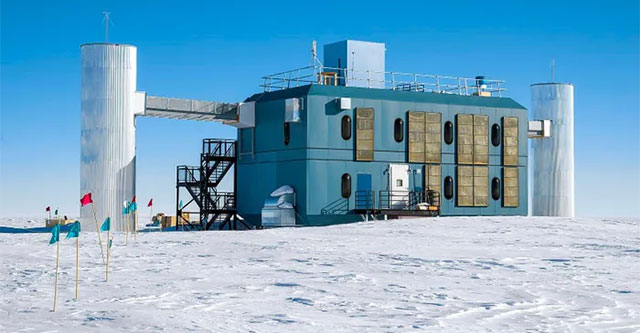
About a trillion tiny particles called neutrinos pass through you every second. Created in the Big Bang, these primordial neutrinos exist throughout the entire universe,…
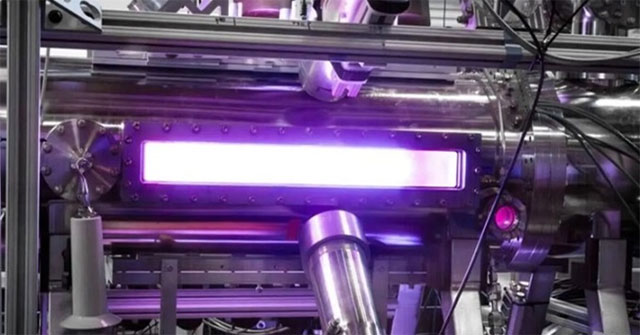
FuZe is a small, low-cost device that can reach fusion power temperatures quickly and meet future human electricity needs.

The 2023 Nobel Prize in Physics was awarded to three scientists Pierre Agostini, Ferenc Krausz and Anne L'Huillier for research related to electrons inside atoms and mol…

For the purpose of creating

The day humans settle on Mars may not be far away. Now scientists have researched to create oxygen on the red planet and more oxygen than NASA has done.

The material is said to be the world's best semiconductor that transmits both electrons and holes, and conducts heat 10 times more efficiently than silicon.