
Space science
Operating a cold space accelerator
An accelerator in California operates at temperatures close to absolute zero to generate 1 million X-ray pulses per second.
Browse ScienceInfo articles and explainers related to Electron.
189 published items.
An accelerator in California operates at temperatures close to absolute zero to generate 1 million X-ray pulses per second.

After launching the satellite into orbit, the first stage of the Electron rocket was captured by Rocket Lab - the US space company - using a helicopter when it was falli…
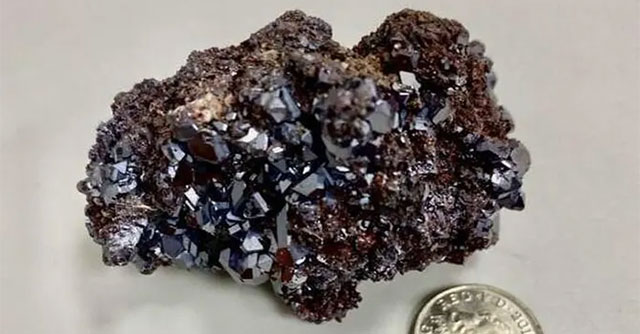
The magical ancient gem could help scientists create large particles that are a hybrid of light and matter, leading to a leap in science and technology through a future…

US space launch service provider Rocket Lab is intending to implement a 'crazy' plan to pick up a booster rocket when the vehicle launches back to Earth from space.
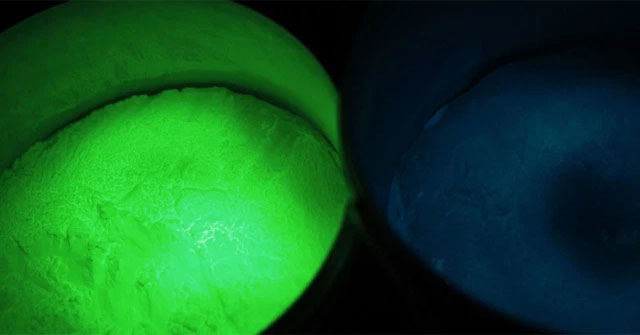
Researchers have prepared a new series of sustainable luminescent materials by refining lignin, a key component of wood, in a 3D polymer network that simulates the wood…
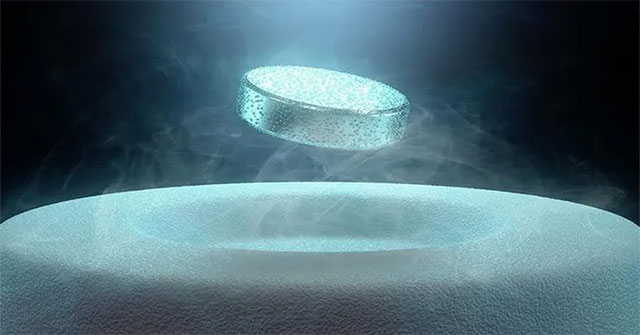
A team of US and Chinese researchers have found the exotic metal in a material where charge is carried not by electrons-electron particles, but by a wave-like entity cal…
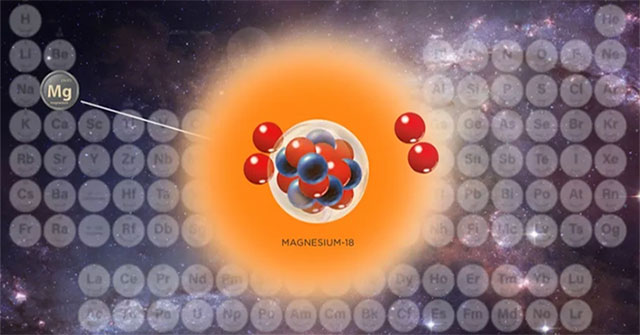
The world's lightest magnesium isotope was created, giving new insights into the binding energies of electrons as they orbit the nucleus.
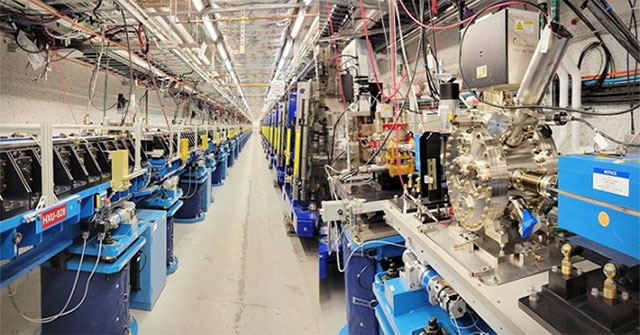
10 meters underground and not far from Stanford University, scientists are perfecting a laser machine that could change the way the building blocks of the universe are s…

Huge potential from the newly discovered state of the electron.
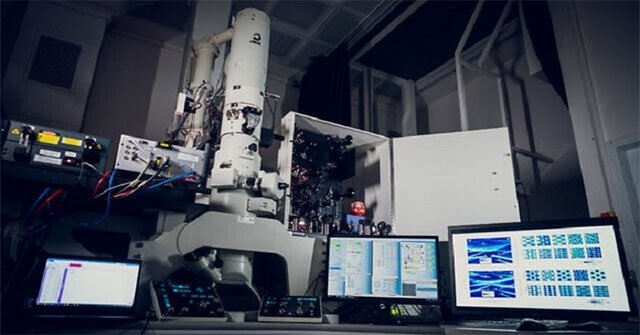
The team at the Israeli Institute of Technology (Technion) develops quantum electron microscopes that give the clearest picture of light moving inside the material.
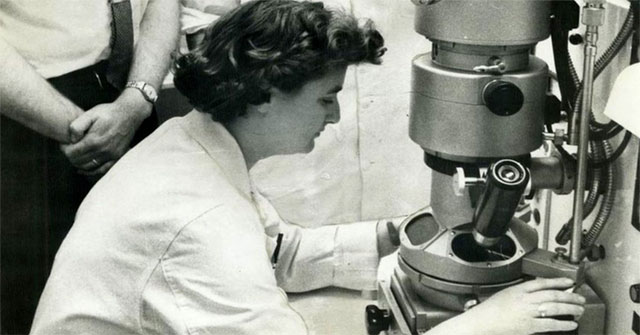
June Almeida was born in 1930, the same woman who discovered the first human coronavirus in the world.
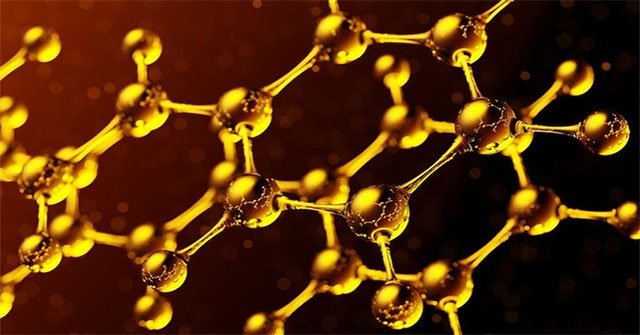
The difficult problem that has puzzled science for years has been solved, creating a breakthrough in optoelectronics.
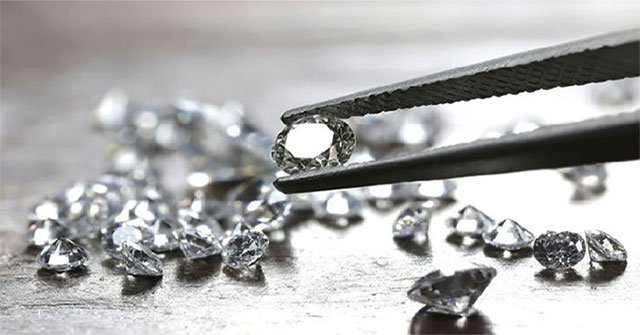
The scientists project an electric field force then use a scanning electron microscope to affect the mechanical properties of diamond nanofibers.

According to previous studies, men are more likely to identify directions than women, but women are much better at finding lost items.
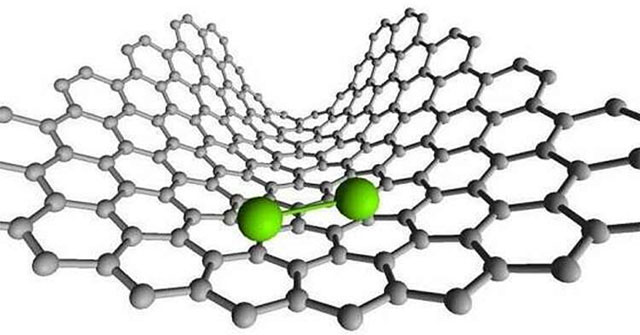
The pair of rhenium atoms were put into an empty carbon nanotube and then shone a beam of high-energy electrons to create a 18-second film.