Discover science
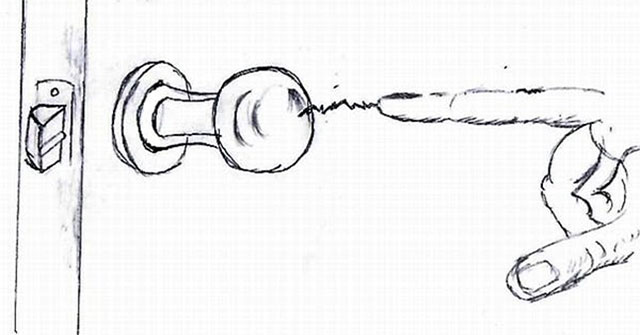
Why do we often see small lightning in winter?
Staticness is a physical phenomenon that we often encounter in everyday life. This phenomenon is sometimes very noticeable as it makes your hair erect. The cold and dry…
Browse ScienceInfo articles and explainers related to Electron.
189 published items.
Staticness is a physical phenomenon that we often encounter in everyday life. This phenomenon is sometimes very noticeable as it makes your hair erect. The cold and dry…

A team of European scientists has found a way to transfer electrons in the semiconductor circuits at the femtosecond scale (1 billionth of a billionth of a second) by ac…
One day, we will be able to use electrical appliances to ... create quantum systems.

The sun emits a lot of energy. Currently, many countries exploit this energy source to gradually replace other sources.
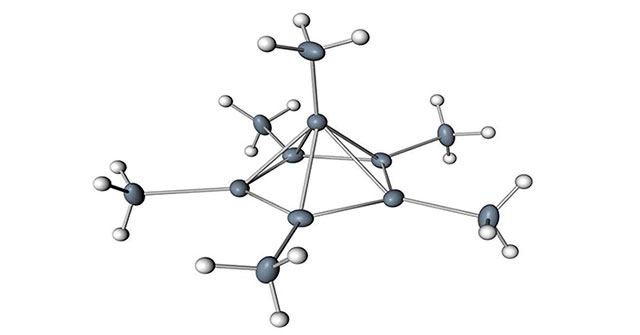
A pyramid-shaped carbon molecule has just been studied for the first time and the special thing is that it's not like what we have learned in basic chemical programming.

Although Germany was the country that caused the Second World War and many pains for humanity, Germany was also one of the countries that contributed significantly to hu…

Since the microscope appeared around the 1590s, we have begun to see the world of extremely small organisms living in water, food and even in our bodies.
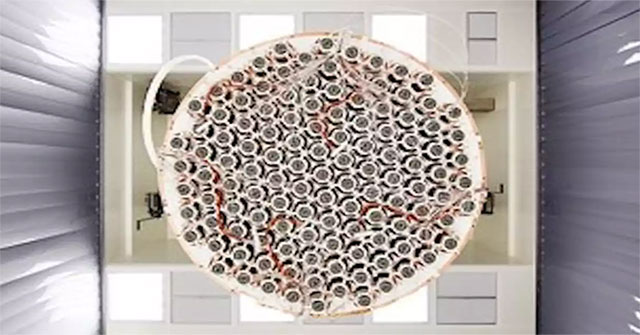
How can you observe a process that takes a billion times longer than the universe?

There are several different types of microscopes, including simple microscopes, dual microscopes, stereo microscopes, electron microscopes and many others.

The completely non-hollow structure of electrons is a barrier that prevents people from going through solid walls.
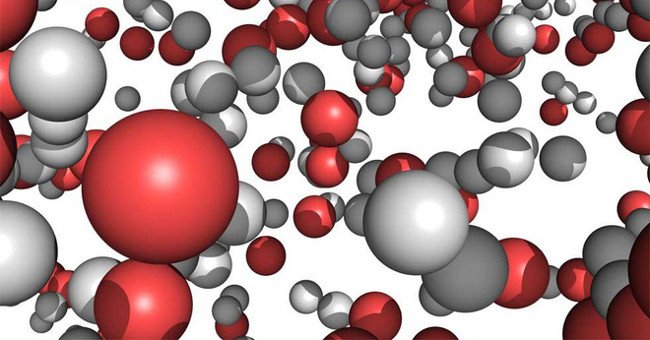
Scientists used a powerful X-ray to perform a test of a strange state of water

To know about the above atomic model symbol, first, let's find out where it comes from.
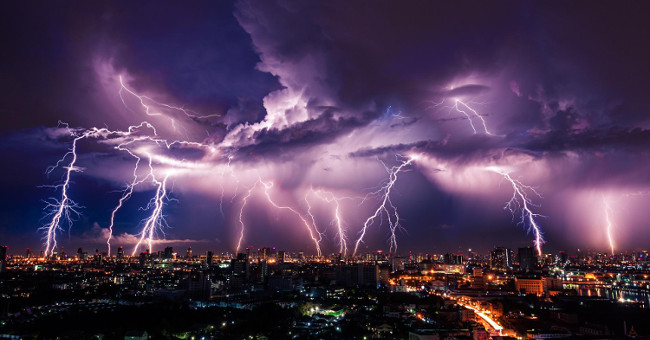
Japanese researchers found evidence that thunderstorms triggered nuclear reactions in the air.
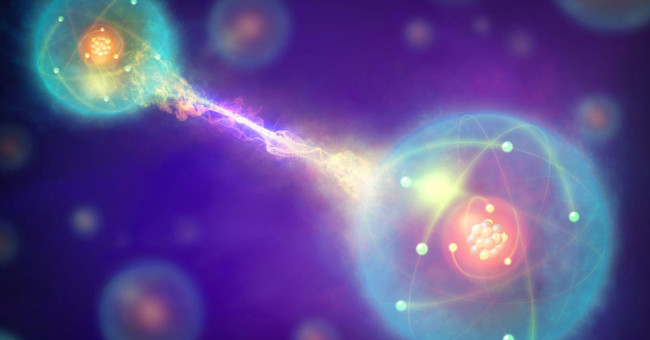
The research team at the University of Florida, USA, discovered something surprising, that the last 21 elements in the periodic table do not follow the rules of quantum…

According to Scienceabc, light is made up of millions of extremely small particles (these particles are not visible to the naked eye known as photons).