New technology
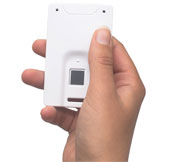
MasterCard credit card with fingerprint sensor
Zwip MasterCard credit card is a collaboration between MasterCard and Zwipe. Zwipe is well known in the field of biometrics and fingerprint sensors based in Norway.
Browse ScienceInfo articles and explainers related to Energy.
2,772 published items.
Zwip MasterCard credit card is a collaboration between MasterCard and Zwipe. Zwipe is well known in the field of biometrics and fingerprint sensors based in Norway.
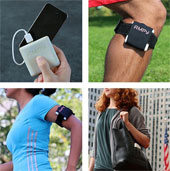
This is a very unique charging device and promises to open up a new horizon for dynamic charging technology.
The University of Missouri has just announced a successful production of a battery system with a long life and far higher efficiency than current battery technology.
Scientists still study new and more effective solutions and the following 5 improvements are expected to change photovoltaic technology in the coming time.
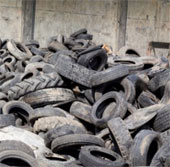
Researchers at the US Department of Energy have recently worked out a way to collect carbon black from old tires to turn into better-performing materials for lithium-ion…

E. coli is bad for many foodborne pathogens, urinary tract infections, diarrhea and other diseases.
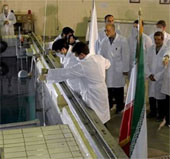
On Aug. 27, Iran's Atomic Energy Commission chief Ali Akbar Salehi said the country has conducted tests.
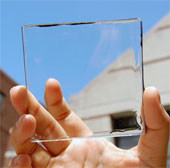
Researchers from the University of Michigan have developed a new, transparent material such as solar-focused glass that can be fitted to windows.
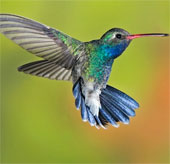
Flyers use flying energy very effectively, can flap wings to stand still, suspended in the air.
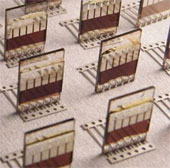
Experts at the University of Sheffield have created a low-cost, cost-effective solar cell that can cover all surfaces like paint.
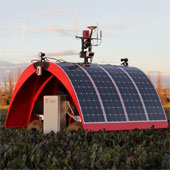
Due to the shape of the ladybug, the self-propelled robot is named Ladybird, which is being welcomed by gardeners for helping to destroy crop insects.

A Finnish computer engineer has developed the world's first smartphone charger to automatically power off and isolate the power source as soon as the phone is pulled…
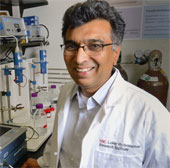
Researchers at the University of Southern California have developed long-life organic batteries that are made from cheap and environmentally friendly components.

When we think of wind power, we often think of giant wind turbines placed on poles to exploit the high wind speeds.
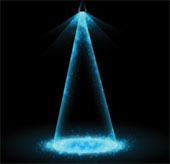
A team of researchers working at Dundee University says they have created something similar but use ultrasound to pull objects instead of lasers.