Discover science
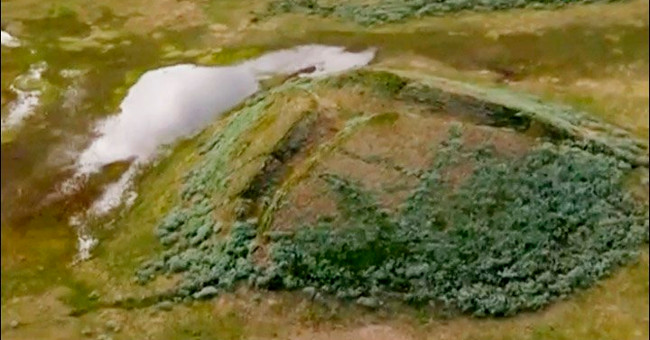
7,000 air bombs can create giant pits in Siberia
More than 7,000 methane gas bubbles found in Siberia underground can explode at any time, creating giant craters.
Browse ScienceInfo articles and explainers related to Explode.
159 published items.
More than 7,000 methane gas bubbles found in Siberia underground can explode at any time, creating giant craters.

We can't explode indiscriminately with a nuclear bomb, we can't get into the Universe black hole, but we have the Z Machine to do the same.

TNT, TATP, RDX are three of the most destructive conventional explosives created in human history.
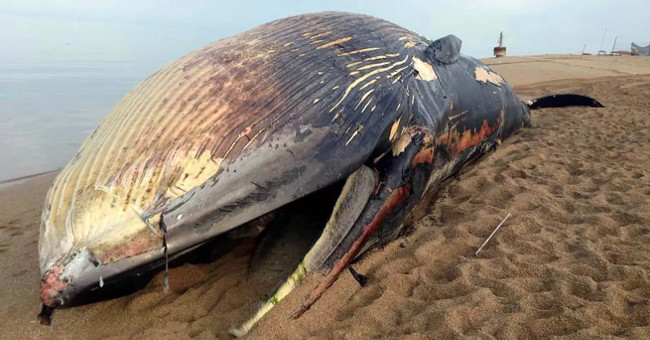
Whale carcasses ashore are a matter of concern in many countries around the world. It is unclear what is happening, but even getting close to them can create a disaster.

Popcorn is a familiar and indispensable food in movie theaters. Sometimes, it becomes a favorite snack for young people.
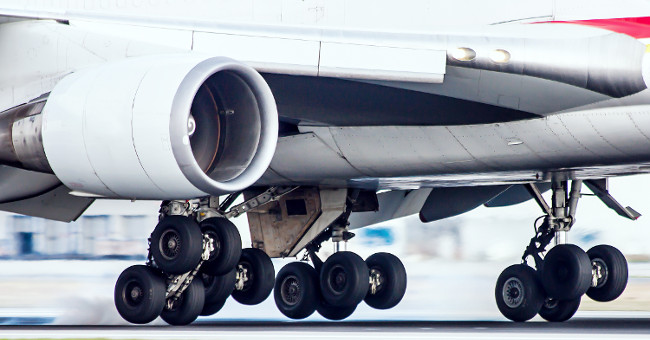
Thanks to such extraordinary durable tires, each flight becomes safer.
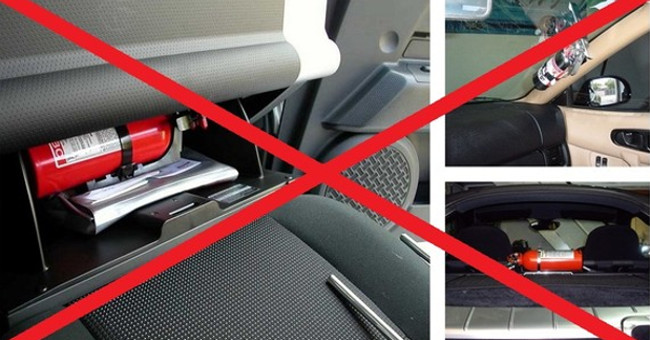
According to experts, many items can be exploded due to being exposed to high temperatures in cars for a long time.

Exploding grenades will deal damage with shell pieces, shock waves or damage components that are crammed inside (iron balls, metal pieces, ...). Will anyone have a chanc…
The following animation experiments will help you understand and love this chemistry better.

As reported, Hai Yen readers in Bach Thong district (Bac Kan) sent a picture of a watermelon that suddenly exploded, cracked itself in half without any external force.
Using a super-small detector, Professor Christoph Helo at McGill (Canada), has demonstrated that eruptions can also happen to underground volcanoes.
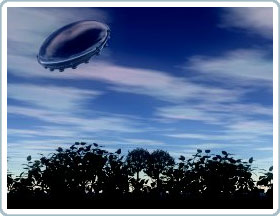
Some researchers believe that in particular areas of Earth UFO often land. Usually the alien 'airfields' are located on top of a high mountain or in a mountain. One of t…
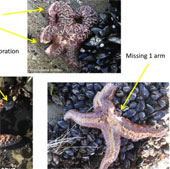
A mysterious disease is killing starfish, causing them to explode in both the Pacific and Atlantic oceans of North America.
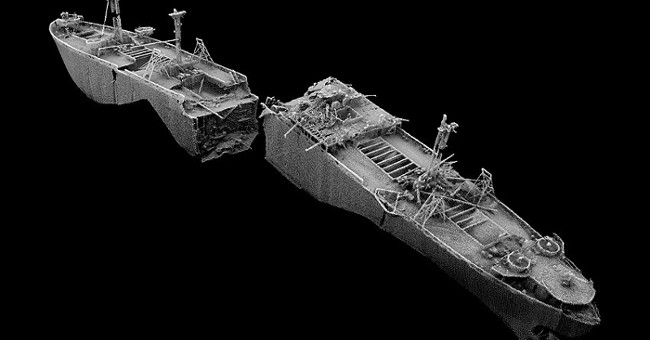
The Oceanic and British Coast Patrol revealed images of a sinking ship containing more than 2,000 easy-to-detonate bombs during World War II.
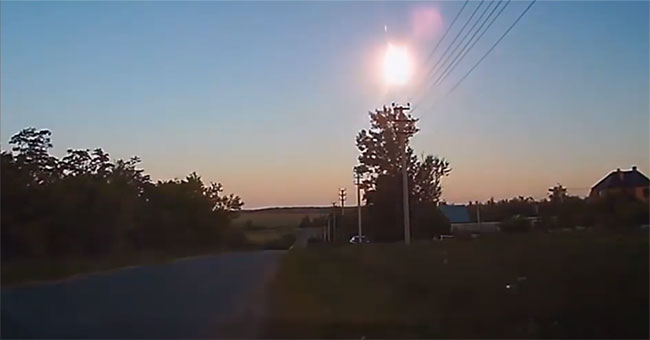
The meteorite exploded with a 2.8 kiloton energy, creating a brilliant fireball in the daytime, visible in many Russian cities.