Biology
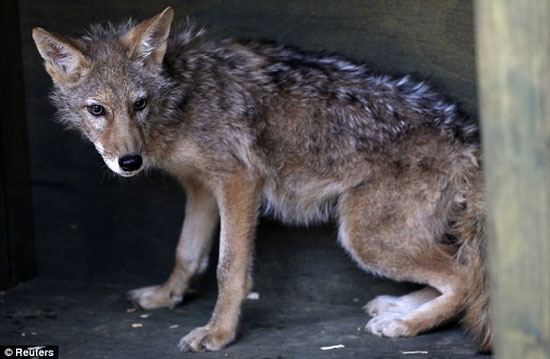
Successfully cloned 8 North American wolves
The announcement of the local government of Gyeonggi Province in South Korea said the Korean stem cell scientist Hwang Woo-suk successfully cloned the endangered coyotes.
Browse ScienceInfo articles and explainers related to Extinct.
630 published items.
The announcement of the local government of Gyeonggi Province in South Korea said the Korean stem cell scientist Hwang Woo-suk successfully cloned the endangered coyotes.

In recent years, scientists from China Shenzhen City Genome Research Institute have been cloning and the results of six resilient pigs have been born.
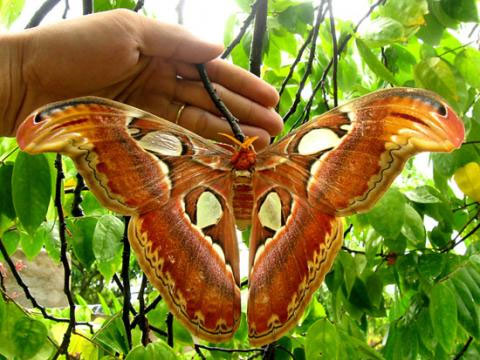
According to 'Vietnam Red Book', butterflies have the scientific name Attacus atlas, the level of threat is classified as R (Rare: Rare, possibly endangered). This butte…
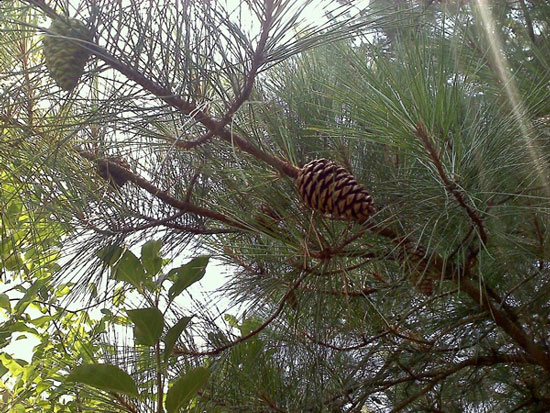
According to the most reliable report on the status of plants with leaves on Earth, 1 in 5 plants are in danger of extinction.
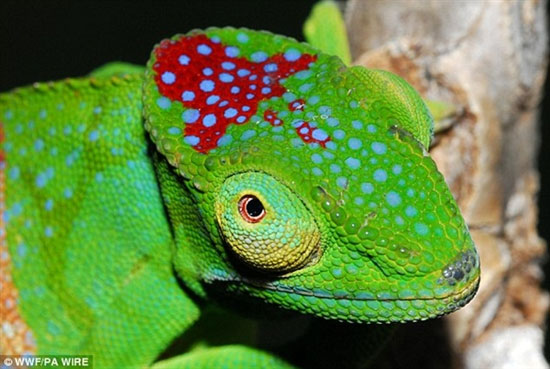
According to the latest report of the World Wildlife Fund (WWF) on Monday (June 6), more than 600 new species of organisms were found in the past decade on the island of…
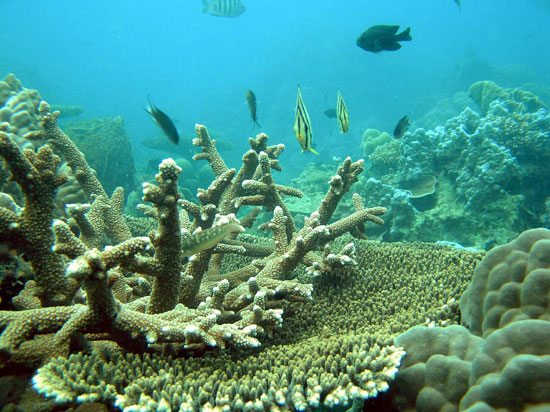
Recent research results in the UK show that more than a fifth of the world's plant species are facing the risk of extinction.

Humans and some other animals will become extinct in the next 100 years as the population booms and consumerism grows unrestrained.

Researchers from the University of Manitoba (Canada) are conducting experiments from DNA samples to revive extinct mammoths.

Italian scientists announced that they are about to succeed in regenerating a large breed that once lived in Europe for thousands of years, but has become extinct since…

Scientists have found Schwann cells to be the cause of tumors on the face of the Tasmanian Devil (Tasmanian devil 'demon').

A new virus like HIV attacks koalas, reducing their numbers and threatening them to become extinct.
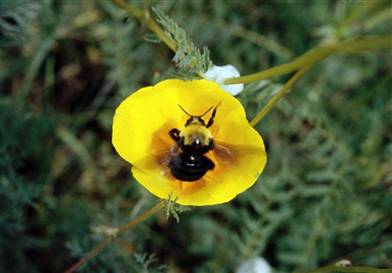
Experts are looking for Franklin bumblebee species on the list of seriously threatened animals.

British scientists miraculously cleared a large hill, bringing a familiar habitat to red-headed ants, an important food of extinct green butterflies.


An international team of researchers extracted large amounts of DNA from the feathers of two permanently preserved mammoths in Siberia.