
World celebrity
Story about the first woman to put the brand image on the product packaging
After reading the story about Lydia Estes Pinkham - the woman with the maxim
Browse ScienceInfo articles and explainers related to Family.
1,193 published items.
After reading the story about Lydia Estes Pinkham - the woman with the maxim

Unesco's Scientific, Educational and Cultural Organization has recognized Korean historical villages: Hahoe and Yangdong as World Cultural Heritage in 2010.

The United Nations Scientific, Educational and Cultural Organization has recognized Nesvizh Castle of Belarus as a World Cultural Heritage in 2005.

Xoan singing is also known as Khuc dong Dinh (song of the temple house), which is a worshiping style for the gods, which is said to be from the time of Hung kings. In an…
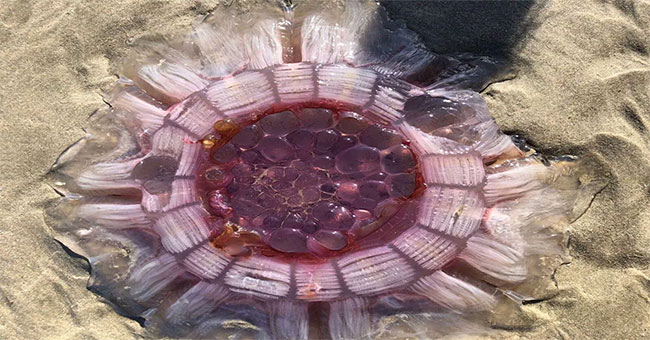
The Dickinsons family encountered a spherical object rising like a strange pink volcano on September 17 while strolling along Pakiri Beach in northern Auckland, New Zeal…
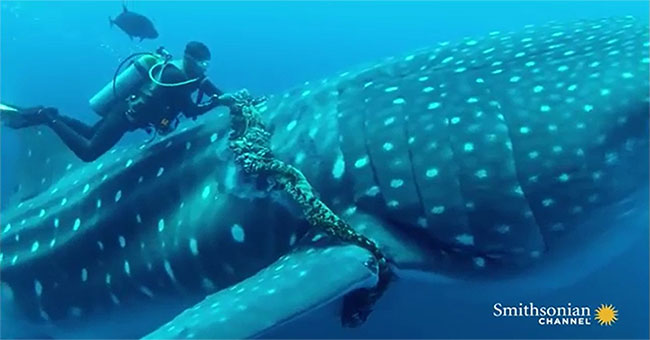
During a trip to Hawaii, an American family caught a whale shark with a rope wrapped around their necks and they managed to save the animal from the endangered list.
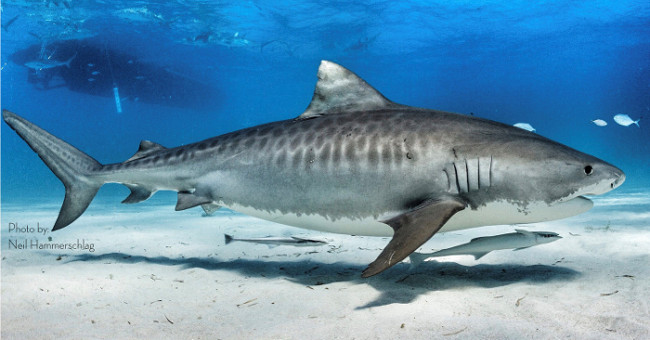
Tiger sharks belong to the Carcharhinidae family, among the most aggressive and aggressive fish of the ocean.
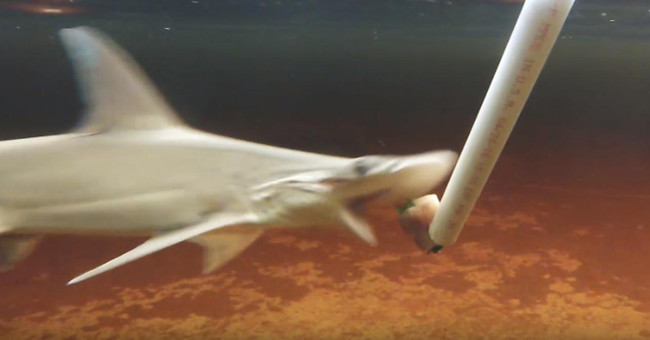
Not just a stray individual like the vegetarian shark Lenny in the cartoon
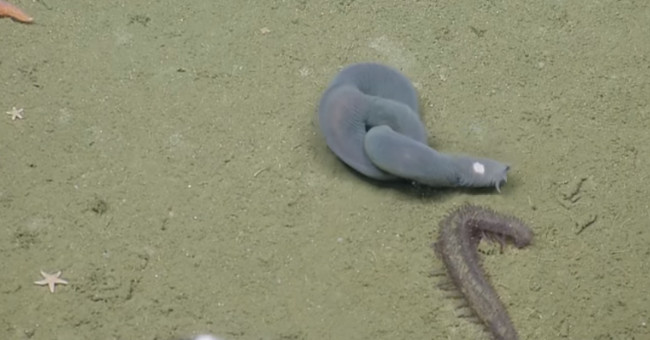
There are many things in this world that can make you tired, from work to family, love, friends ...
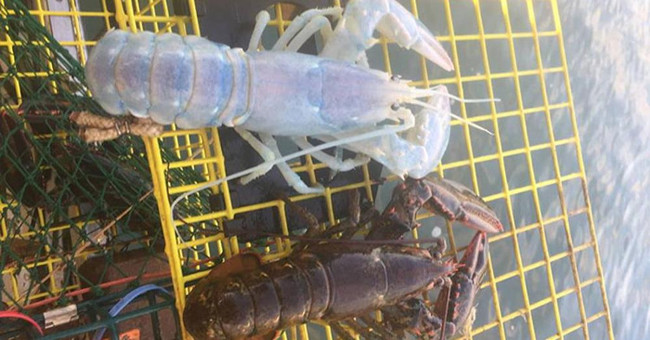
At a rate of only 1/100 million, this lobster is probably the rarest creature on the planet.

Mie provincial fishery officials on October 30 said the fishermen in Toshi Island, Toba City, in the province have caught Soshihagi fish of the Kawahagi family that cont…

The colorful Meiacanthus fang blenny in the Pacific has a small body but possesses venom-like bites like heroin to attack enemies.
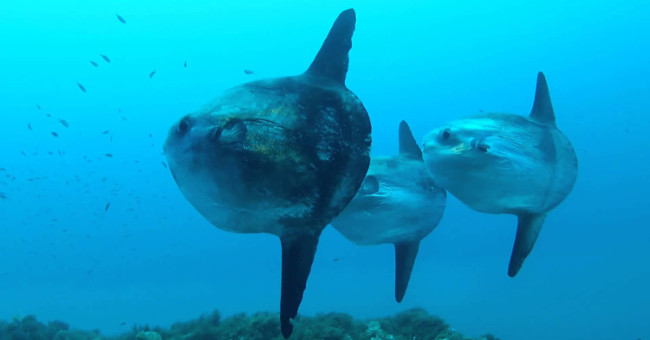
Moon fish or sun fish, scientific name Mola Mola is a fish belonging to the Moonfish family, in puffer fish.
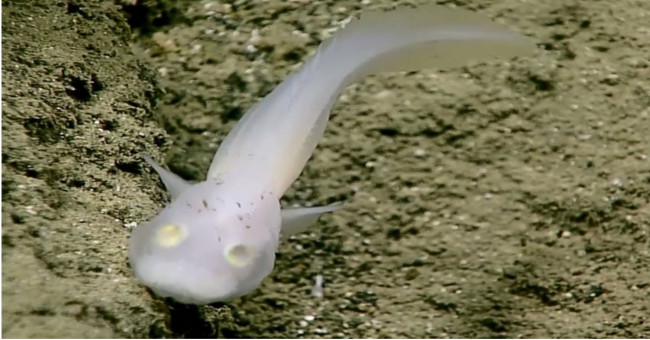
A fish with a strange appearance resembling the ghost recorded in the deepest ocean trench of the world in the Pacific Ocean Mariana.
The four-year study in remote areas of Australia has helped scientists discover 850 species of organisms living underground.