New technology
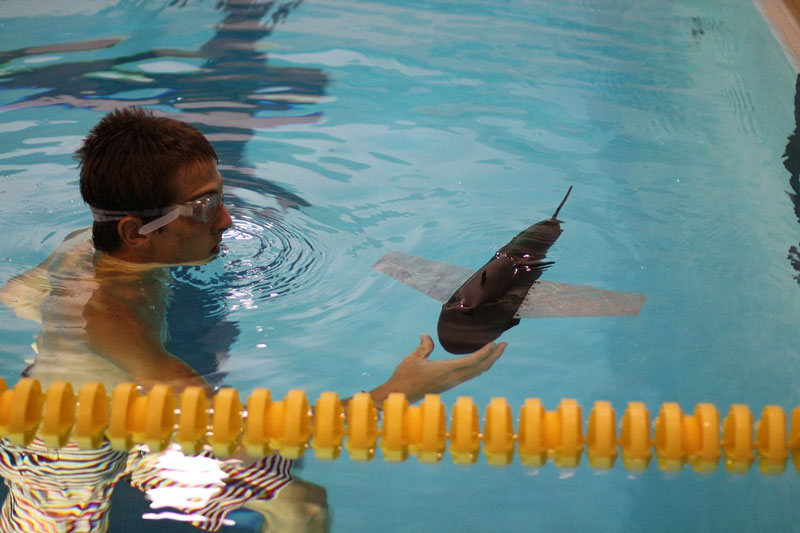
Use a robot to patrol the marine environment
Both marine and freshwater environments are now facing constant threats from climate change, industrial pollution and waste water. Monitoring of water quality and monito…
Browse ScienceInfo articles and explainers related to Fish.
2,532 published items.
Both marine and freshwater environments are now facing constant threats from climate change, industrial pollution and waste water. Monitoring of water quality and monito…
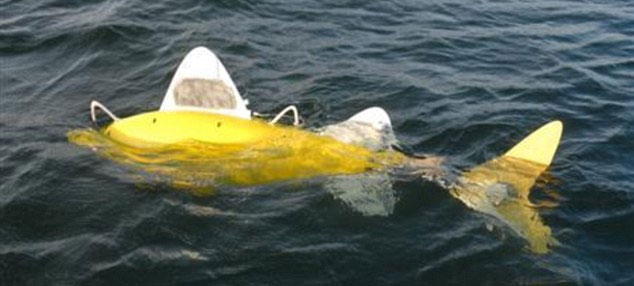
Scientists have succeeded in inventing a 'fish robot'. This is a robot capable of detecting pollution of water sources, overcoming oil spills at sea, maintaining…
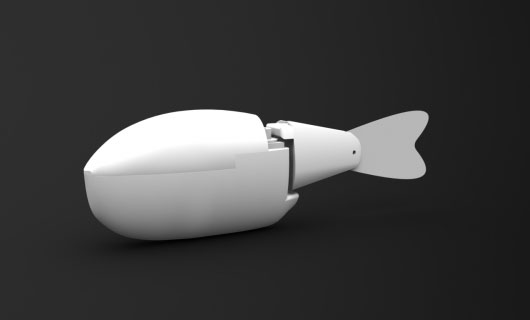
Italian scientists on April 11 said that the first robot had a successful debut in front of other real fish, bringing new insights into the collective behavior of animal…
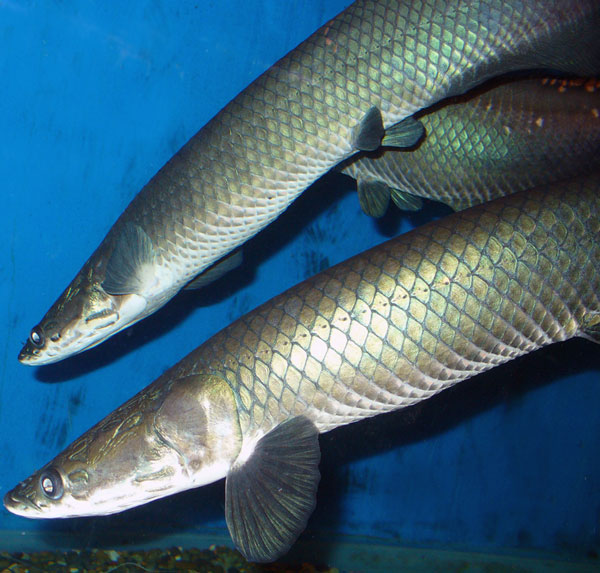
Arapaima giant Amazon is attracting the attention of scientists at the University of California, San Diego to create super-durable materials.
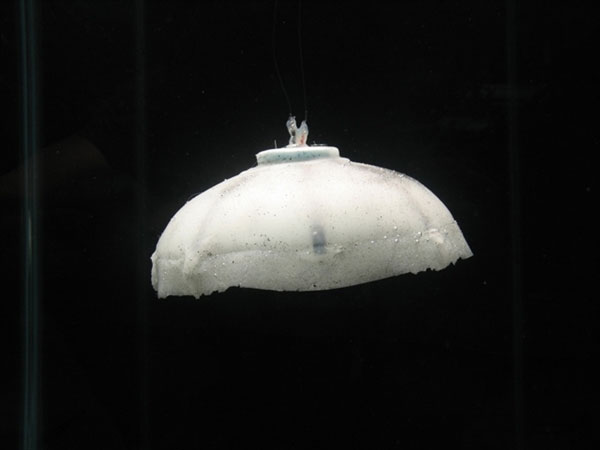
Engineers at Virginia Tech University have researched and developed a robot called Robojelly that mimics the graceful movement of jellyfish.
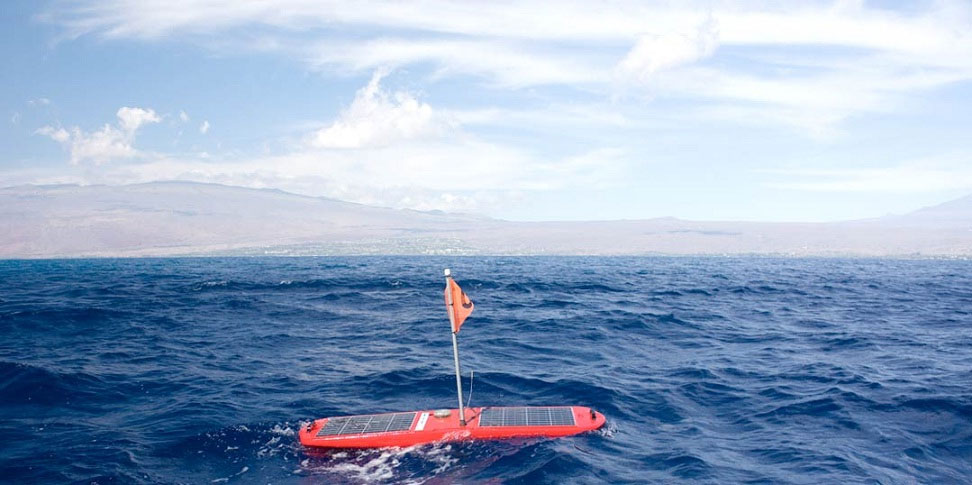
Four Wave Glider unmanned boats leave the San Francisco coastline and begin a 300-day cruise on the Pacific Ocean.

Five sustainable agriculture models have been proposed for the construction of acacia and saline acid soils to increase income and improve the quality of living conditio…
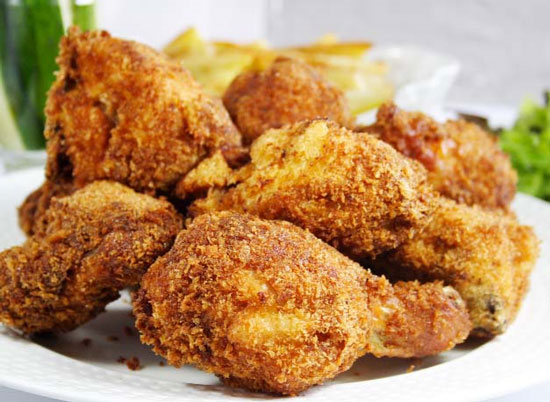
Scientists have discovered a natural preservative that can help keep foods like fish, meat, milk, etc. fresh for years.
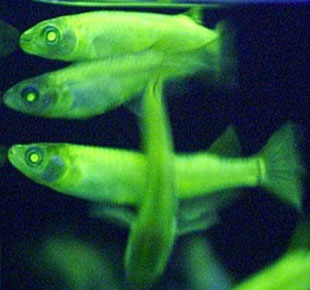
For research and commercial purposes, scientists have carried out genetic modification to create artificial glowing animals. Let's look at their special products.
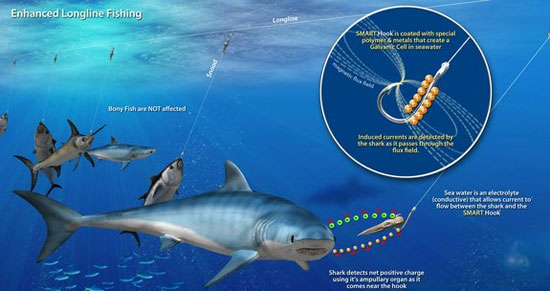
In order to help the fishing industry improve fishing quality, Shark Shark scientists have developed a new type of hook that allows for a dramatic reduction in the numbe…

These robotic fish look like children's toys. However, scientists expect them to save thousands of fish.
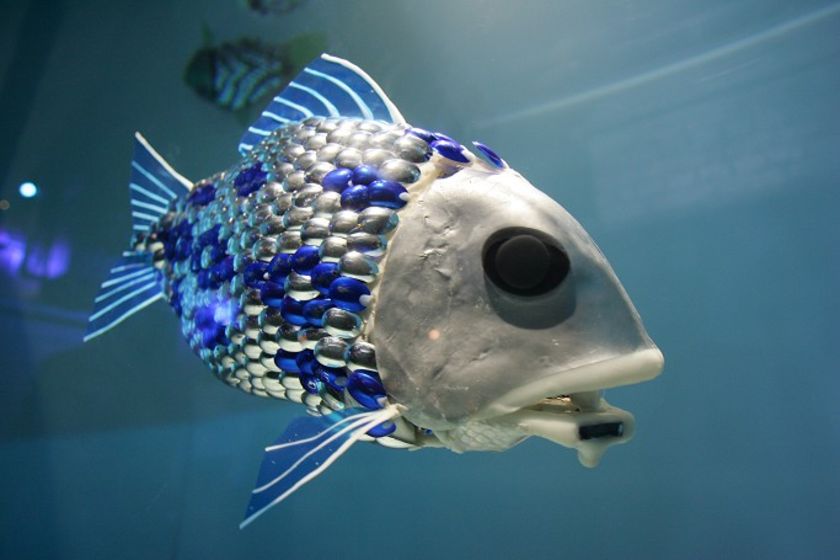
British biologists used robotic fish, carp-like, to study the rules of fish behavior and the rules of movement.

University of Michigan researchers are developing robots that can swim like fish to explore water and control water quality.

British scientists have successfully created a fish robot capable of detecting contaminants underwater. They work by battery and communicate with each other via wi-fi.
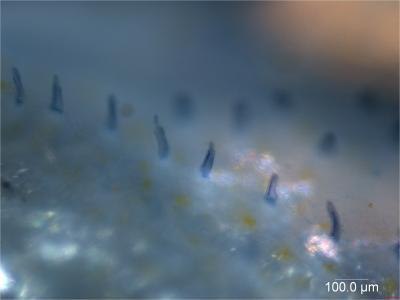
A blind fish has developed a special motion sensing skill, which may be a prerequisite for a new generation of sensors that work better than ultrasonic sensors.