Space science
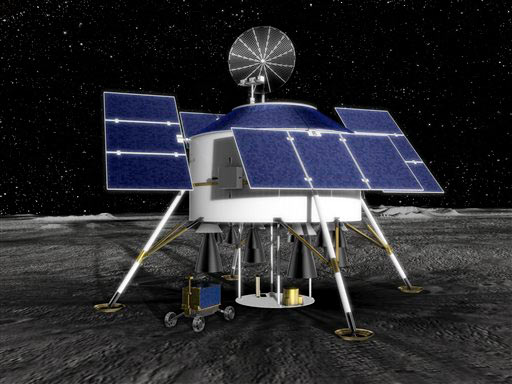
Europe will bring robots to the moon
The European Space Agency will design an extremely sophisticated robot to explore the moon in the future.
Browse ScienceInfo articles and explainers related to Future.
1,471 published items.
The European Space Agency will design an extremely sophisticated robot to explore the moon in the future.
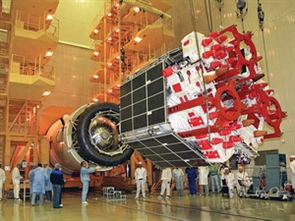
Russia's GLONASS satellite navigation system, equivalent to the US GPS system, will cover the whole world later this year.

According to world-leading physicist Stephen Hawking, one day humans can build spacecraft with a speed near the speed of light ...

NASA's Mini-SAR radar discovered on the north pole of the moon has about 40 holes, 1.6 to 15 km in diameter, filled with ice. NASA estimates there are at least 600 milli…

NASA's Moon orbit - NASA's Lunar Reconnaissance Orbiter (LRO) has released the latest images of the moon.
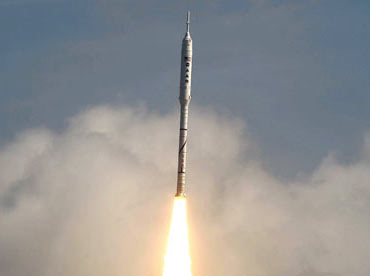
The US Aeronautics Administration (NASA) launched the world's tallest rocket, Ares IX, after several days of delay.
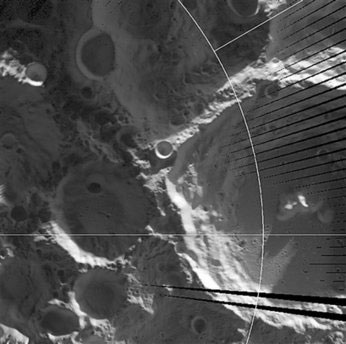
The latest data and images sent by an American spacecraft show signs of the existence of frozen water on me.
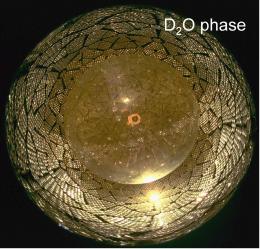
Will the universe continue to expand and eventually end with the state of nihilism that diffuses dry, cold, and black?
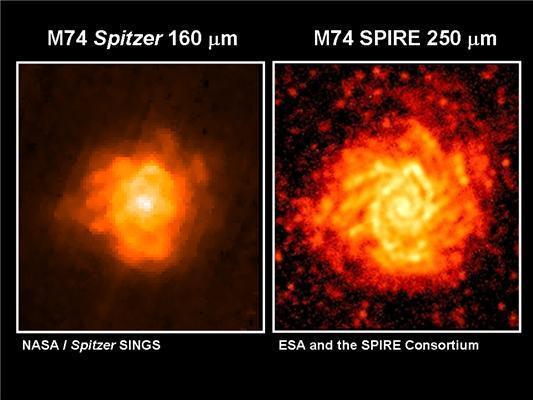
Herschel made the first observational experiment with all of its devices and produced very remarkable results.

'The inevitable future of Barnard 68's cloudless stars' is to collapse and form a new star.
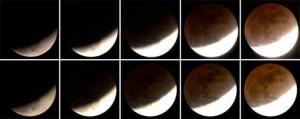
The lunar eclipse has been thoroughly documented throughout human history. This rare and breathtaking phenomenon appears when the Moon enters the darkness of the Earth a…

Data provided by Japan's space probe Kaguya shows that there is evidence of the existence of uranium on the moon.

The first satellite image receiving station using Vietnam's remote sensing technology (located in Tu Liem, Hanoi) will be inaugurated by the National Remote Sensing Cent…

As the sun turns into a red giant, the orbits of the planets near it will be disordered, leading to the risk of collisions between the planet and Mars and Venus.

The American people have just admired the new spacecraft designed to bring astronauts to Mars in the future, and instead of NASA's shuttle generation.