
Animal world
Unexpected white reindeer suddenly appeared in Sweden
A woman happened to see a very rare white reindeer in the world on a trip to Sweden.
Browse ScienceInfo articles and explainers related to Gene Mutation.
78 published items.
A woman happened to see a very rare white reindeer in the world on a trip to Sweden.
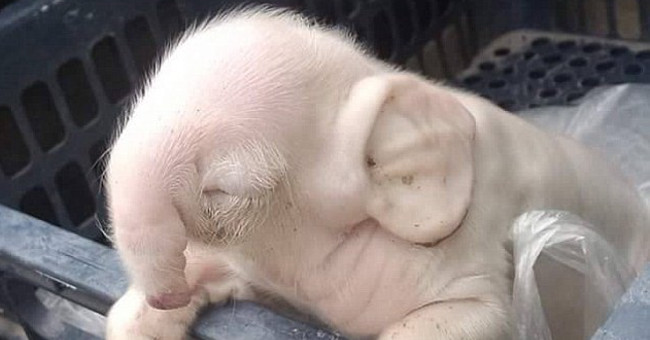
A pig with a mutated gene has appeared in Cambodia, making it look like a hybrid of pigs and elephants.
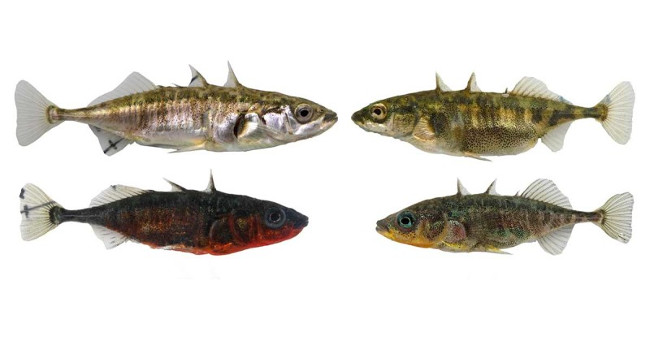
Swiss scientists have discovered that the three-spiny species quickly evolved into two distinct distinct species of genetics, even though living in the same area for 150…

A new albino sparrow found in Australia, but may not live long because it is easy to become a prey.
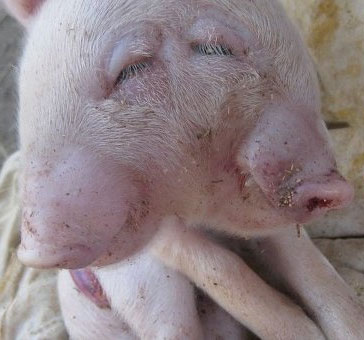
RIA Novosti reported yesterday that the animal is a member of a herd of piglets consisting of 11 individuals on a farm in the Bryansk region of Russia. It has two heads,…

An albino hedgehog has been found in Russia and taken to the Dendrarium botanical park in Sochi.

A resident of Qingdao City, Shandong Province, China, accidentally caught a bizarre, extremely rare two-headed catfish in the wild.

Along with no ears, the rabbit also has clear signs of albinism with unusual white fur and red eyes. This is believed to be the result of gene mutations.

A series of mutations related to metabolic processes have helped nearly 1.5 million Russians survive the most devastating World War II siege campaign.

For many different reasons, there are animals that are born with strange shapes such as six-legged calves, three-horned cows, two-headed snakes or three-eyed fish.
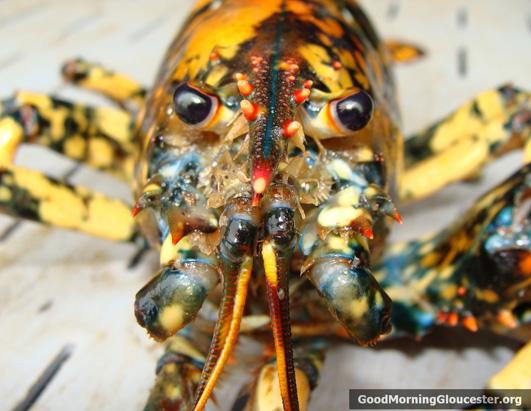
Admire the lobsters with mutated colors, the more unusual ones found in the US state of Massachusetts.

Genetic changes have created bizarre two-headed animals, from cats, fish, and cows to pythons, turtles, crocodiles and grasshoppers.
The whole world is facing the situation of antibiotic-resistant bacteria increasing due to the mutation of the gene.

Chinese scientists have found that a lack of gene activity called PAK2 can lead to the development of autism.

According to Nucleic Acids Research magazine, in the human genome, the amount of encrypted information may be less than 20% of the previous rating.