
Biology
How Are Viral Vectors Used in Gene Therapy?
Viral vectors use modified viruses as delivery vehicles for genetic material. Viruses evolved efficient ways to enter cells, and gene-therapy developers can remove or di…
Browse ScienceInfo articles and explainers related to Gene.
1,953 published items.
Viral vectors use modified viruses as delivery vehicles for genetic material. Viruses evolved efficient ways to enter cells, and gene-therapy developers can remove or di…
Gene therapy changes genetic material or gene expression in a patient's cells to treat disease. The term covers several strategies, including adding a functional gene, s…
Prime editing is a gene-editing method designed to write a broader range of small DNA changes without requiring a conventional double-strand break or a separate donor DN…
Base editing is a gene-editing approach designed to change one DNA base into another without creating a full double-strand break at the target site. It combines a progra…

Researchers are developing a type of bacteria that can kill drug-resistant bacteria, a major problem currently plaguing the medical field.

The US biotechnology company Colossal Biosciences says the first extinct creature it is trying to revive could be born in 2028.

Our record of the human genome may still be missing tens of thousands of

The team of scientists studied the protein expressions of two extinct human species, Neanderthals and Denisovans, and found dozens of small protein chains with antibioti…
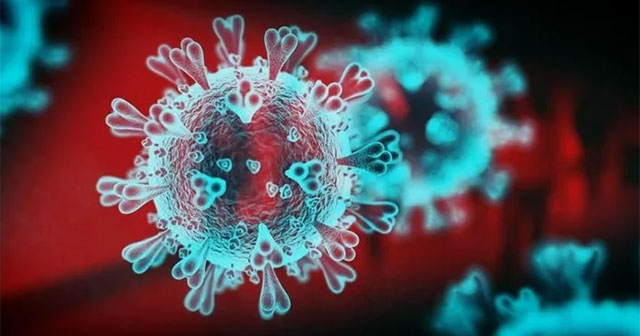
Research by a group of German and American scientists shows that the SARS-CoV-2 virus that causes the Covid-19 pandemic can be created in the laboratory, with the geneti…
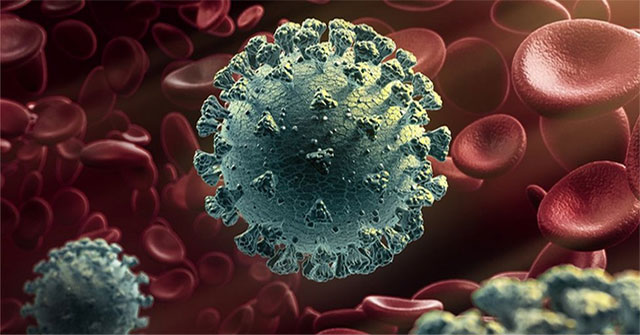
According to Professor Dang Duc Anh, the mutation has just been discovered and still needs further monitoring and research.

In the natural world, reproduction between living organisms is an important task. However, when this natural process encounters inbreeding, it can have shocking conseque…

People with this disease also face many problems such as short stature, missing part of the skull, and respiratory failure.

A new study led by the 2022 Nobel Prize winner in Medicine finds

Australian pharmaceutical company CSL on November 23 set the list price of its drug to treat hereditary hemophilia B at $3.5 million per dose, Reuters reported.

Humans might have lived to the age of 200 if not for a catastrophic event.