Medicine - Health
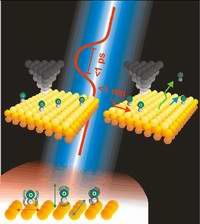
Use laser beam to cure eye diseases
A one-millionth second pulse laser (femtosecond laser) can cure poor vision and identify melanoma. In addition, it is also a good tool for healing when the laser can dri…
Browse ScienceInfo articles and explainers related to Gene.
1,953 published items.
A one-millionth second pulse laser (femtosecond laser) can cure poor vision and identify melanoma. In addition, it is also a good tool for healing when the laser can dri…
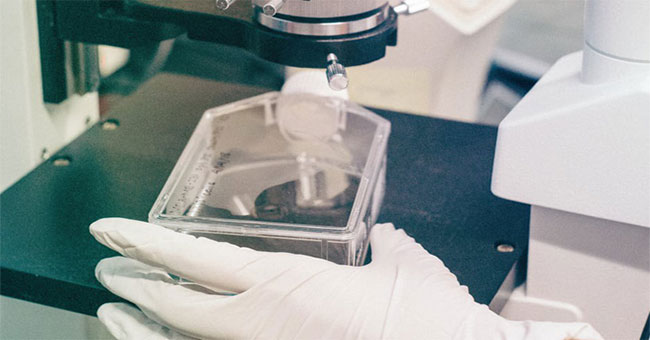
CRISPR gene editing techniques can be used to prevent the progression of cancer, according to new research by scientists from the University of California, USA.
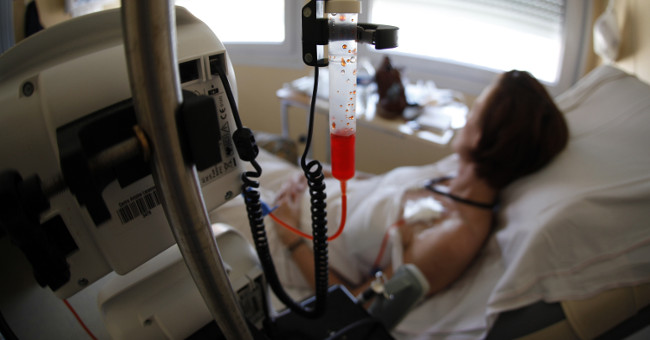
Many breast cancer patients are advised chemotherapy after surgery, but not necessarily needed, TIME reported.
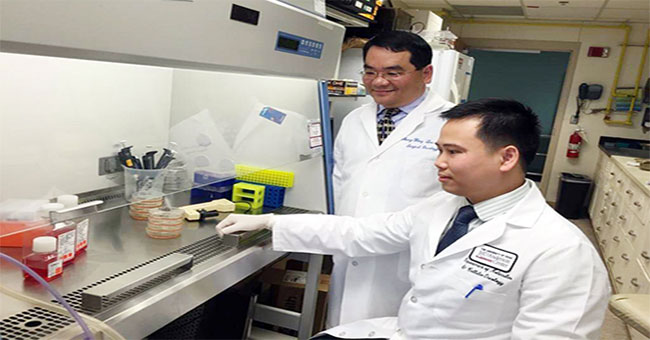
Dr. Phan Minh Liem, who runs the Cancer Research Institute in Nha Trang, said that when two BRCA genes, BRCA1 is mutated, the body cannot be recovered, thus increasing t…
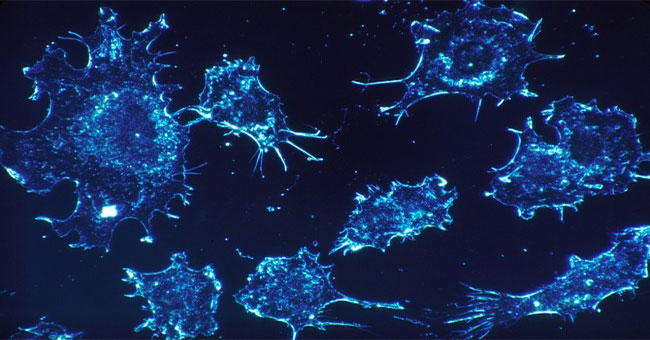
Recently a group of researchers from Harvard Medical University (USA) tested the reprogramming of cancer cells in order to
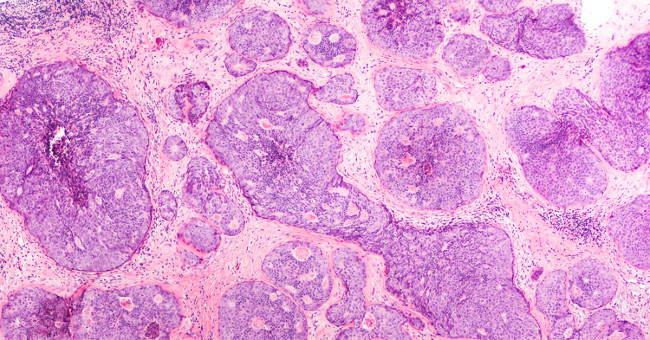
The group of authors from the London Cancer Research Institute has shocked the list of 110 genes that increase the risk of breast cancer in women.
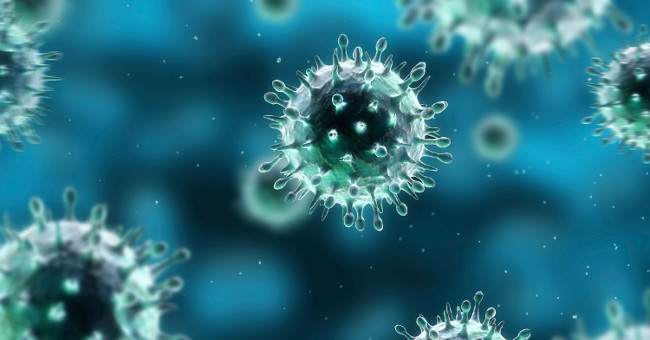
Throat cancer is a common disease among the 10 most common cancers. Proportion of throat cancer in the epidemic area is about 20-50 / 100,000 people.
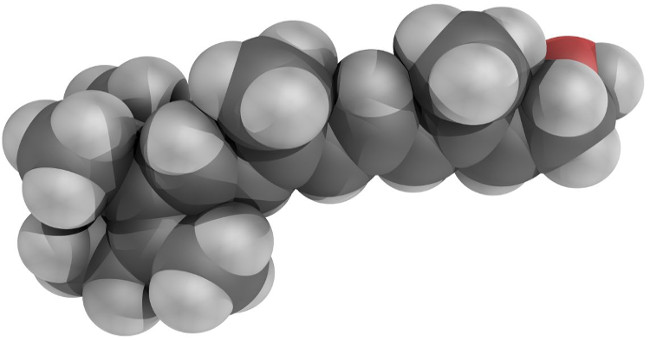
Japanese researchers have identified an artificial compound from vitamin A that can affect a layer of liver cancer stem cells, preventing them from developing and creati…
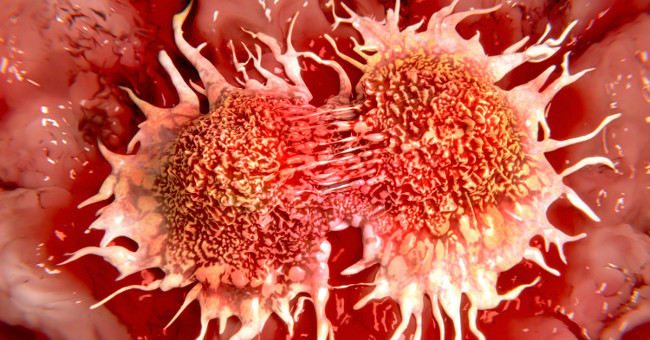
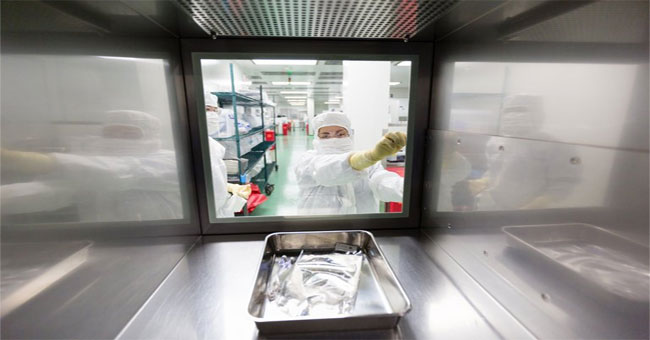
The US Drug Administration approved a second gene therapy to treat blood cancer. This is considered a new step in the study of treatment of dangerous diseases.

When cells make skin pigmentation reach and exceed the threshold of mutation due to sunlight, they can develop into tumors.
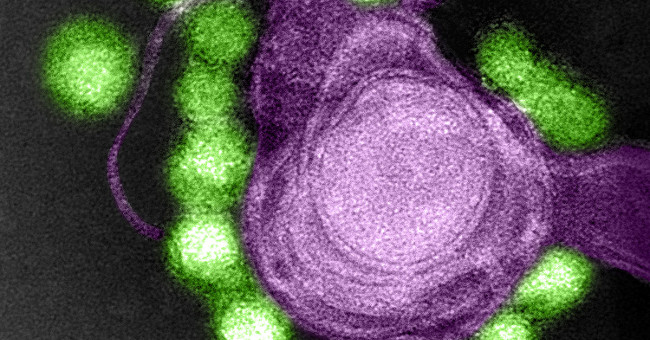
Although dangerous to pregnant women and causing minor headaches in the fetus, Zika virus is thought to be capable of killing glioblastoma cells, dangerous and difficult…
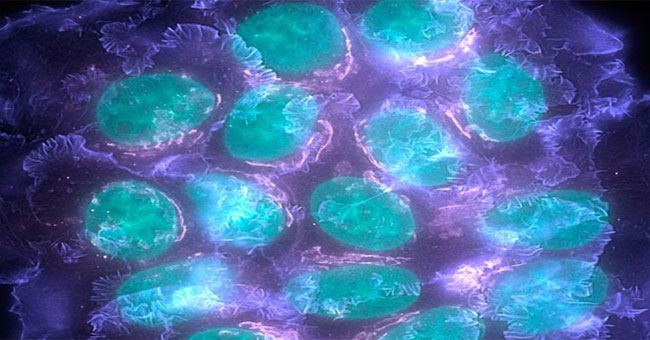
Australian scientists are getting closer to the finish line in understanding the cause of breast cancer, when it first identified the mutations of BRCA1 and BRCA2.
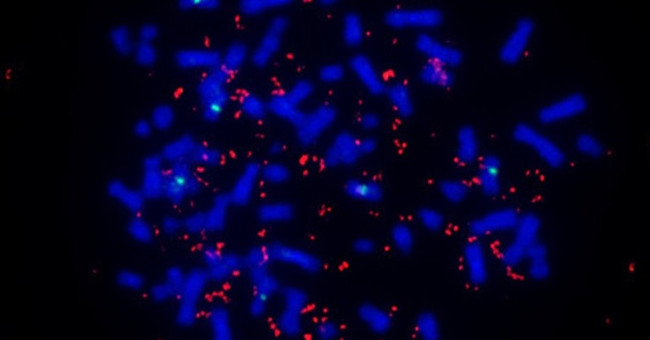
Researchers have discovered why tumors can quickly develop mechanisms to fight the best and latest treatments.

Tobacco is the leading cause of lung cancer. But about 20% of people who die from lung cancer have never smoked.