
Discover science
Predict when humans may become extinct
A mass extinction of mammals, including humans, could occur in 250 million years due to climate change.
Browse ScienceInfo articles and explainers related to Great Extinction.
29 published items.
A mass extinction of mammals, including humans, could occur in 250 million years due to climate change.

The global mass extinction of animals is starting to take place and is worse than initially predicted, according to a recent study.
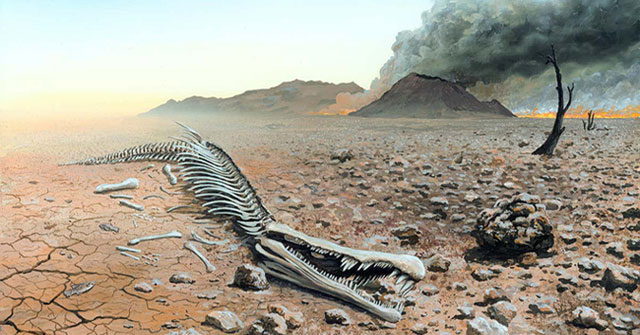
Examining hundreds of fossils, scientists have discovered a terrifying apocalypse that once sowed death across Africa and Arabia during the Early and Early Early Ages.
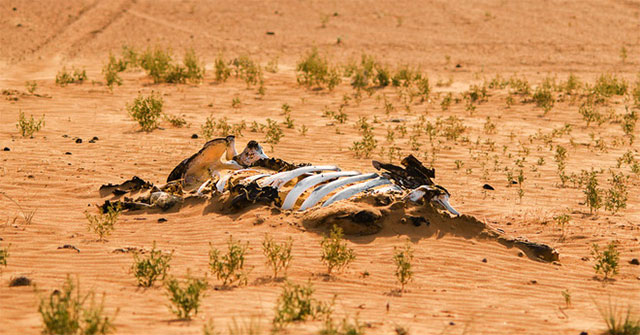
The speed of the 6th Earth's Extinction on Earth is much faster than all predictions, at least in the past few decades, according to the latest research published in the…

How will you see when you know there is a single-celled creature but almost destroys life on Earth? Sounds ridiculous but very convincing!
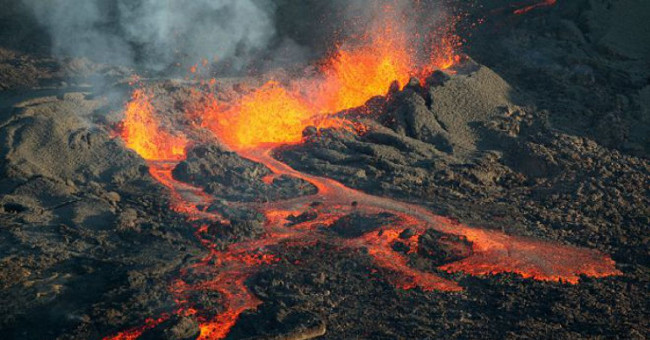
This great extinction has lost 95% of marine life and 70% of land animals. Catastrophic environmental changes also formed during this period.
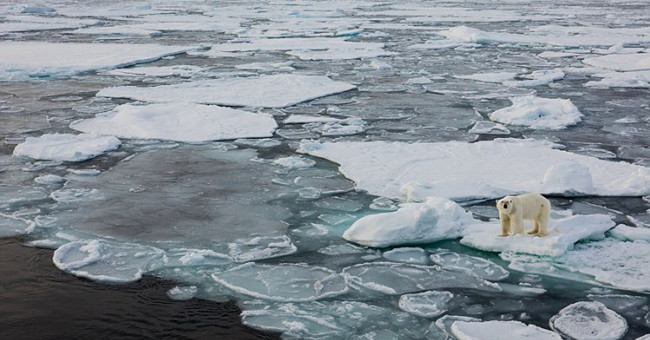
The Earth is on its way to the beginning of the sixth major extinction in 2100 due to carbon emissions into the atmosphere, according to the calculation of the five demi…
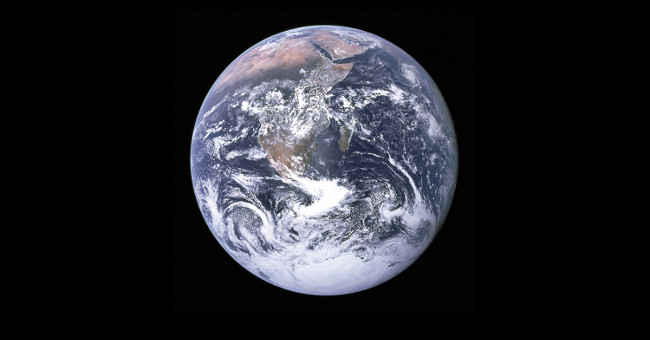

Mass eruption in Siberia caused the Great Extinction on Earth is a hypothesis that is gaining a lot of approval from the scientific world.
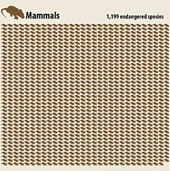
The world is facing a sixth major extinction, with 41% of amphibians being wiped out of the Earth's surface, according to a new study.
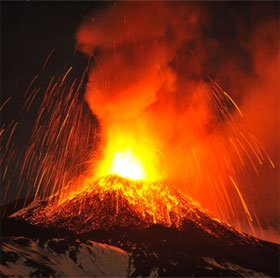
Scientists believe that volcanic eruption 250 million years ago caused acid rain to cause most organisms on Earth to become extinct.
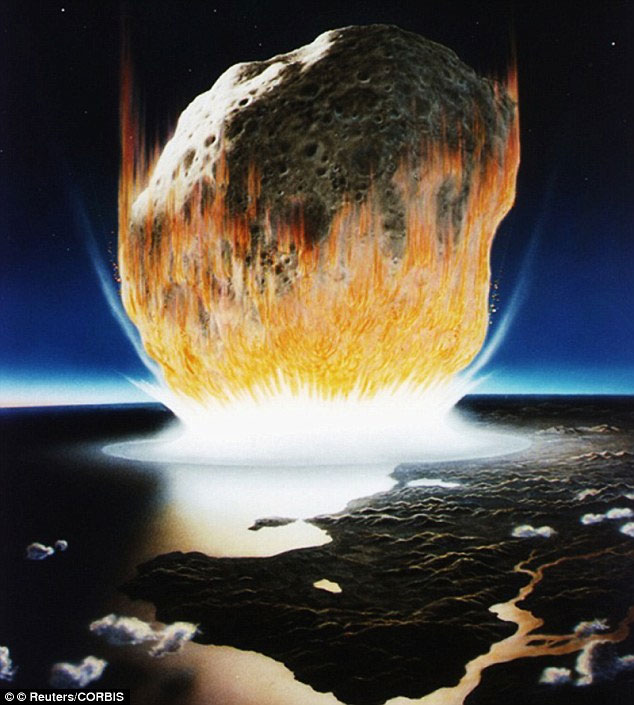
A meteorite plunged into Earth 65 million years ago, causing the dinosaurs to become extinct, but scientists said that there had been another major extinction when the v…
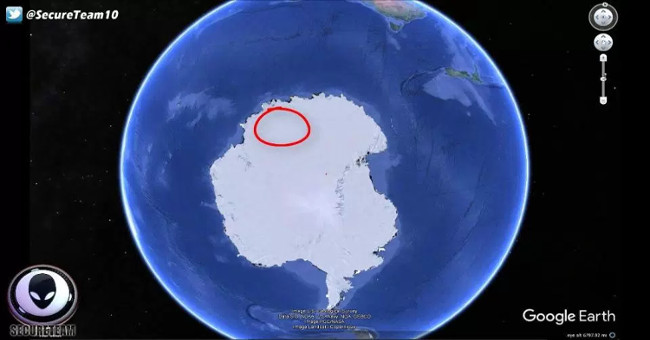
Scientists believe that a mysterious object under thick ice in Antarctica changes people's understanding of history.
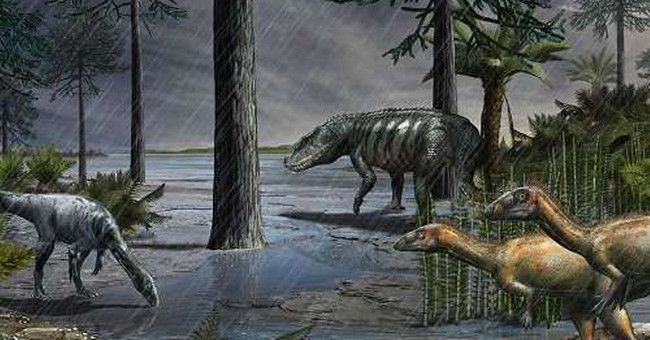
Dinosaurs have dominated our planet for millions of years. But then a giant meteorite appeared and turned them into creatures
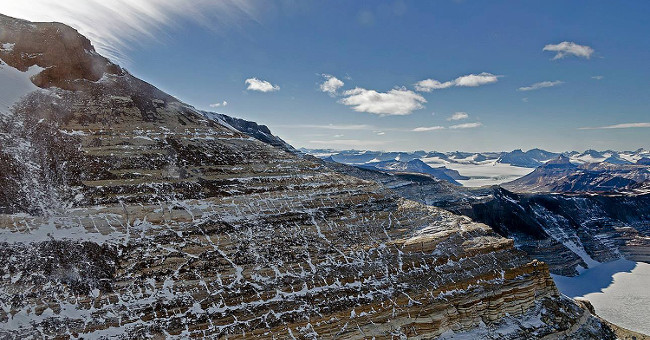
Traces of prehistoric Antarctic forests can help scientists understand more about the Permian extinction event - Triassic.