Space science
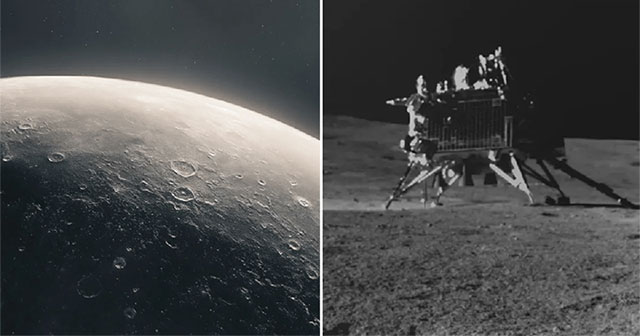
Not Helium-3, Indian spacecraft just discovered a valuable resource on the Moon.
The Indian spacecraft only touched down on the Moon a month ago, but it has already made some major contributions to science.
Browse ScienceInfo articles and explainers related to Helium.
84 published items.
The Indian spacecraft only touched down on the Moon a month ago, but it has already made some major contributions to science.
Helium is a simple element on the periodic table, named after the sun god. Yet modern theory and experiments on it have produced puzzlingly different results.
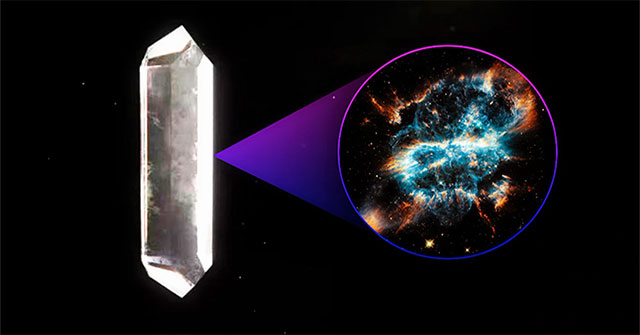
This is also one of the driving forces urging countries to seek to conquer the Moon again.

During holidays, festivals, anniversaries... people often release lots of balloons into the sky, making them look beautiful and fun.

Chinese scientists developed a refrigerator prototype with a temperature only 0.01 degrees Celsius higher than absolute zero.
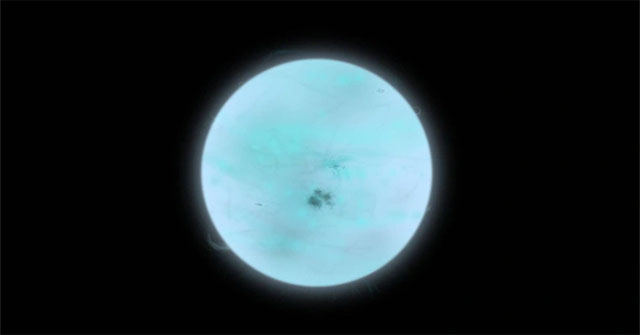
Astronomers have just discovered the most metal-poor helium star called EC 19529-4430.
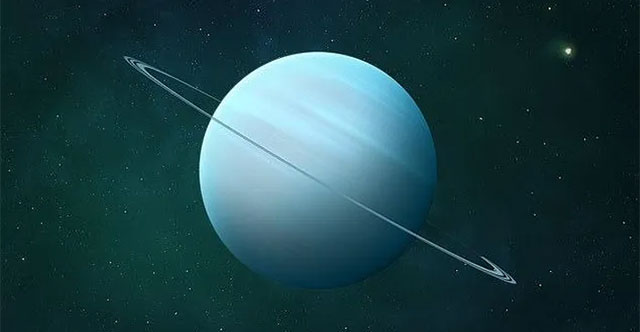
Scientists have found methane gas deep inside Uranus, showing that the blue planet contains more gas than previously thought.

The newly discovered helium mine in Minnesota has a record high helium concentration, reaching 13.8%, promising to help solve the shortage of this gas.
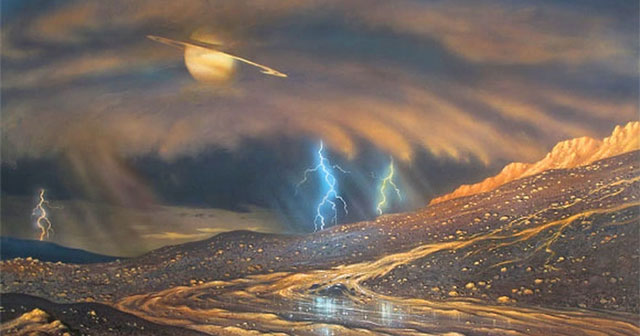
How does rain occur and what is the shape of the planets in the Solar System? Let's find out in the article below.
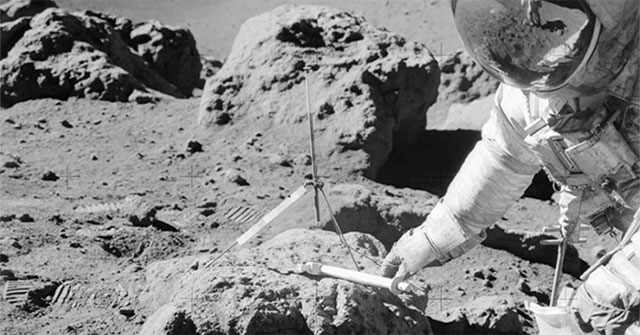
Some scientists think that the soil on Mars may be at risk, so they reminded NASA to be cautious.
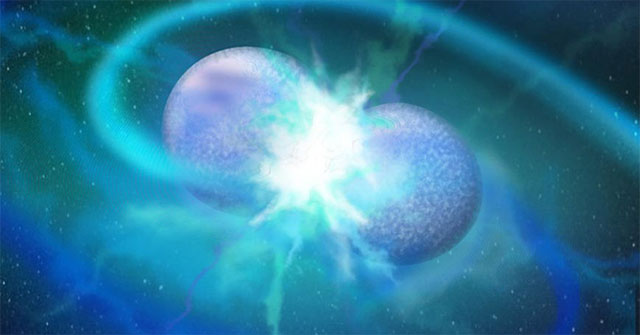
German and Argentine scientists have identified a strange, powerful new type of star covered in helium-burnt ash. More horrifying, this kind of cosmic monster spawns fro…
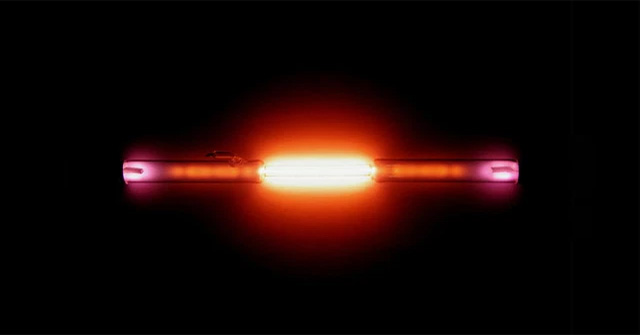
If you are a chemistry person, you are probably familiar with the periodic table, but the truth behind what those elements are is probably not everyone knows.

An ancient event caused the Earth's crust to partially melt, creating openings that let helium-3 treasure from the planet's heart gradually escape.
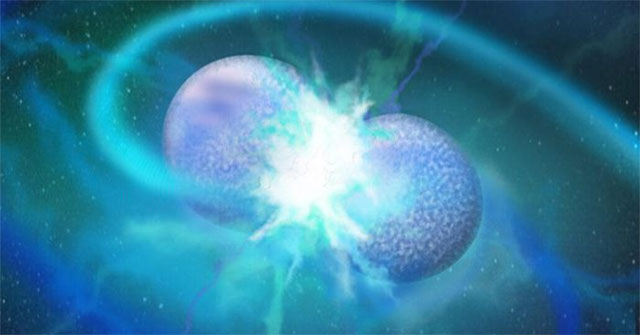
Like the phoenix, some stars can explode with life and emerge from the 'ashes' of previously passed stars.

A group of German astronomers recently discovered a group of stars of the strange stellar type, covered with ash from helium combustion.