Space science
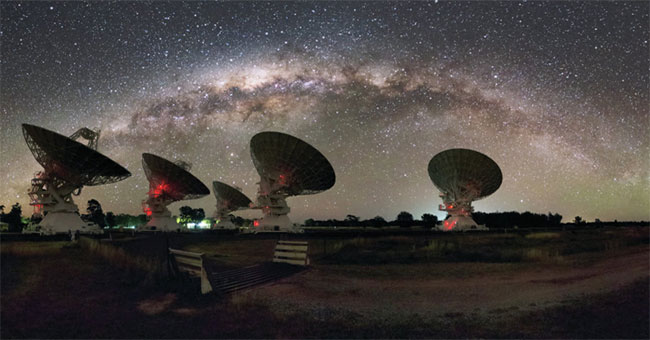
China built an attractive wave detector telescope at an altitude of 5000m
China began to build the world's tallest gravitational wave detector telescope in Tibet, 5,000 meters above sea level
Browse ScienceInfo articles and explainers related to Hemisphere.
180 published items.
China began to build the world's tallest gravitational wave detector telescope in Tibet, 5,000 meters above sea level
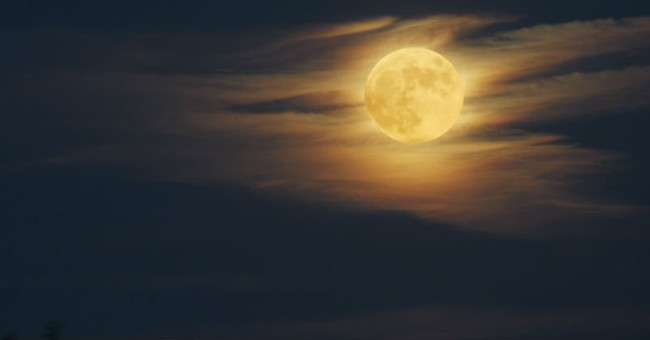
Because of the combination of the Moon Hunter (Hunter's Moon) and the Super Moon on the night of October 15-16 in the Northern Hemisphere, we will have the opportunity t…
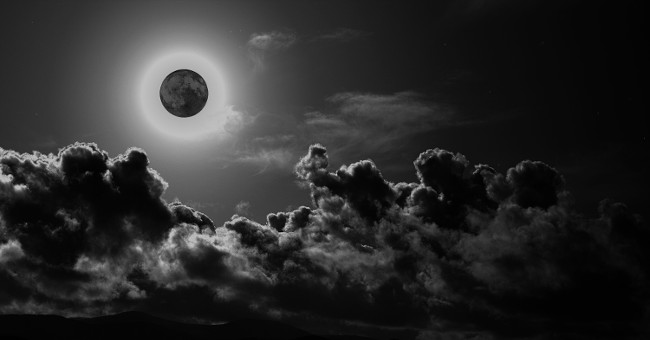
A rare astronomical event named

On September 30, a phenomenon called Black Moon will appear around the world. However, it is not an interesting thing for you to observe, since this day is moonless.
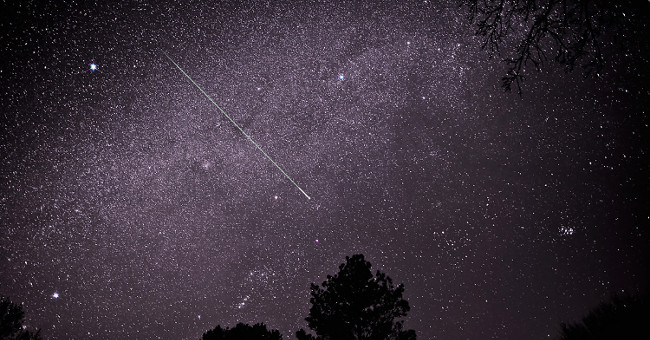
This week, people around the world will be able to see the Delta Aquarids meteor shower most visually on July 28 and 29.

Leisa infrared detector of the US Aeronautics and Space Agency (NASA) has just caught Pluto staring on him with a layer of rainbow clothes.
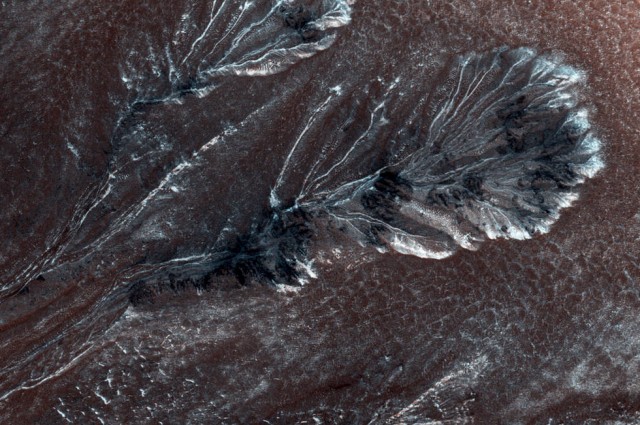
Scientists have discovered the freezing on the large cracks of Mars. This finding shows signs of life on this red planet.
A group of Danish experts said that Mars once had glaciers with large amounts of ice.
Recently, scientists have discovered many glaciers
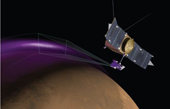
The MAVEN probe of the US Aeronautics and Space Administration (NASA) found that aurora phenomenon glowed on Mars in mid-December last year. It takes place throughout th…
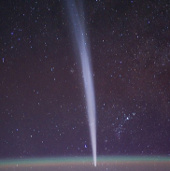
A year ago, NASA astronaut Dan Burbank discovered a great phenomenon in space: comet Lovejoy followed by a tail of gas and dust that appeared on Christmas Eve.
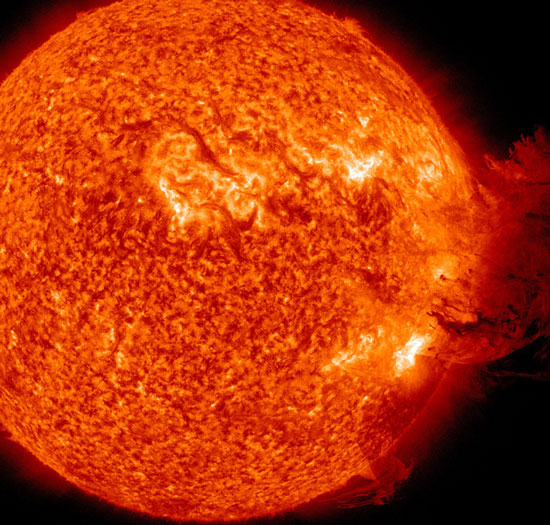
The Yomiuri daily issued on April 21 led the source of Japan's National Astronomical Observatory (NAOJ), saying that the electrodes on the two halves of the Sun's hemisp…

Titan, Saturn's largest moon, is a strange and fascinating world covered in dense methane atmosphere. With an average surface temperature of -185ºC and a diameter less t…
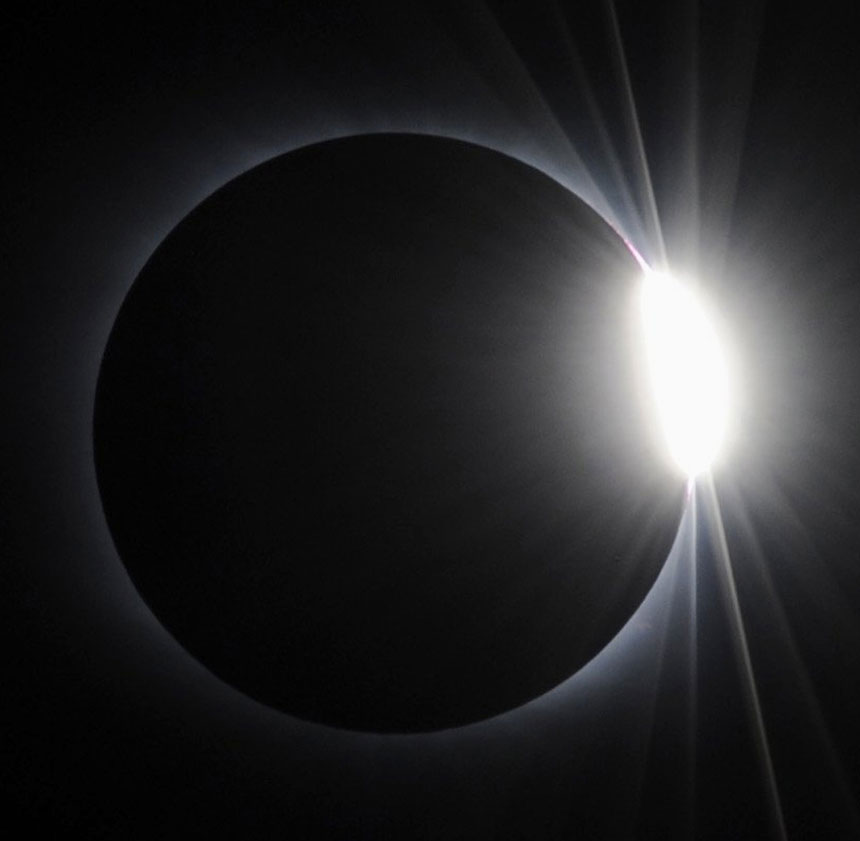
The moon will obscure part of the sun on November 25 and only a small part of the world can observe it.
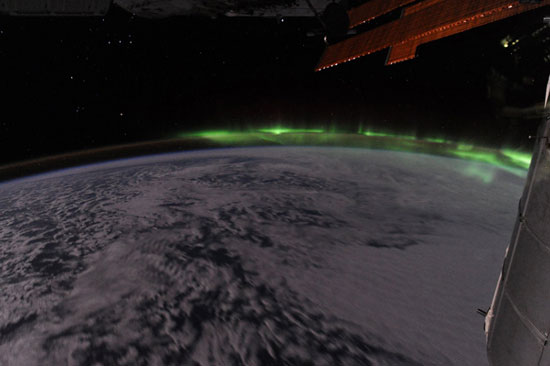
When viewed from the International Space Station (ISS), the earth's southern hemisphere is like dancing bands of light.