Biology
Find out the oldest infectious bacteria of humanity
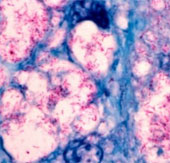
Recent research by scientists shows that leprosy bacteria existed 10 million years ago ...
Browse ScienceInfo articles and explainers related to Human.
6,757 published items.
Recent research by scientists shows that leprosy bacteria existed 10 million years ago ...
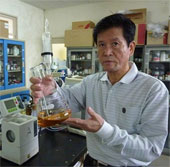
According to Belgium's La Libre newspaper recently, a Japanese scientist living in the country's Okinawan archipelago has discovered a plant that can increase human life…
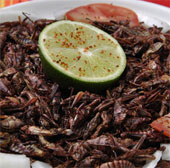
Caterpillars, beetle larvae, grasshoppers or stink bugs can become a source of future food with good nutritional value for human health.

Although possessing a tiny size, some extremely dangerous insects can kill thousands of lives with a single bite or sting.
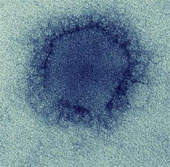
Professor Paul Kellam said that different strains of the human virus are derived from an animal virus.
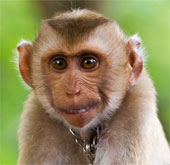
Scientists in the US have warned of a dangerous monkey monkey virus that can be transmitted through humans, according to Health24.
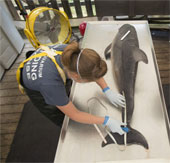
A human virus like measles virus can cause hundreds of big-nose dolphins to die and drift ashore throughout the US East Coast.

Eight types of micronutrient supplements are being developed by Brazil to overcome human malnutrition, which causes serious illnesses.
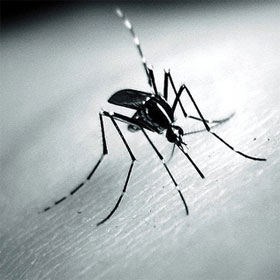
Blood or body odor may be the main reason why someone often gets bitten by mosquitoes than others.
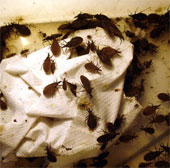
Blood-sucking bugs are the culprits in Latin American parasites many years ago. Currently this epidemic has appeared in many other places in the world including Vietnam.

Associate Professor Truong Xuan Lam said that blood-sucking bugs are a blood-sucking insect so its injection makes people uncomfortable, wide allergy, even fever, especi…

Thanks to genetic engineering, scientists created purple tomatoes, which are better than regular tomatoes and bring many benefits to human health.
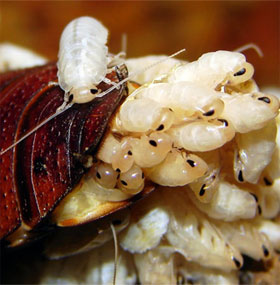
The Week has published shocking information that cockroaches will last longer than humans. So where is the cause?
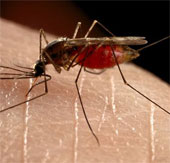
American scientists at Rocckefeller University have devised a way to transform mosquito genes, neutralizing their sense of smell for humans, making them not looking for…

Experiments carried out in the laboratory showed that malaria-carrying mosquitoes were three times more excited with the smell of dirty socks than those of non-pathogeni…